Friday, November 22, 2024
The Benefits of Eating Crunchy Fruits and Veggies for Oral Care
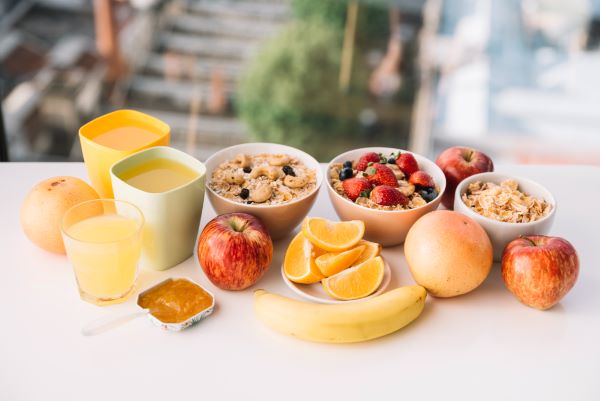
Crunch Your Way to a Healthier Smile: The Oral Care Benefits of Crunchy Produce
Hey everyone! Let's talk about something super cool â€" and delicious â€" that can actually help improve your oral health: crunchy fruits and vegetables! We all know brushing and flossing are crucial, but did you know that adding some satisfying crunch to your diet can give your teeth a serious upgrade? It's true! Let's dive into why these nature's powerhouses are so great for your pearly whites.The Science Behind the Crunch: How Crunchy Foods Clean Your Teeth
Think of those crunchy fruits and veggies as tiny, natural toothbrushes! When you bite into an apple, carrot, or celery stick, the fibrous texture acts like a scrubbing pad, gently removing food particles and plaque from the surfaces of your teeth. This mechanical action is incredibly effective at preventing the buildup of sticky plaque, which is the main culprit behind cavities and gum disease.
Unlike processed snacks that can stick to your teeth and contribute to plaque formation, crunchy foods actually help to dislodge this harmful stuff. The friction created by the chewing process stimulates saliva production. And guess what? Saliva is your mouth's natural defense mechanism! It neutralizes acids, washes away food debris, and contains minerals that help remineralize your tooth enamel, making it stronger and more resistant to decay.
Beyond the Scrubbing: The Added Benefits
The benefits go beyond just the physical scrubbing action. Many crunchy fruits and vegetables are packed with vitamins and minerals that are essential for healthy teeth and gums. For example:
- Vitamin C: Crucial for collagen production, which keeps your gums strong and healthy. Think oranges, bell peppers, and broccoli!
- Vitamin A: Supports the health of your oral mucosa (the lining of your mouth) and helps prevent gum disease. Sweet potatoes and carrots are great sources.
- Calcium and Phosphorus: Essential building blocks for strong tooth enamel. Think leafy greens, almonds (while not technically a fruit or veggie, they're crunchy!), and dairy products (like yogurt).
So, you're not only cleaning your teeth mechanically, but you're also nourishing them from the inside out with essential nutrients!
The Crunchy Crew: Your Top Picks for Oral Health
Now, let's talk specifics! What are some of the best crunchy fruits and vegetables to incorporate into your diet for optimal oral health? The list is long and delicious!
- Apples: A classic for a reason! The firm texture and slightly acidic nature help to naturally clean your teeth.
- Carrots: A crunchy powerhouse packed with Vitamin A, perfect for snacking or adding to salads.
- Celery: High in water content and fiber, celery acts like a natural toothbrush, scrubbing away food particles.
- Cucumber: Refreshing and hydrating, cucumber is a great addition to any meal or snack.
- Bell Peppers: Crisp and packed with Vitamin C, these add a colorful crunch to your meals.
- Broccoli: A nutritional superstar, broccoli's firm florets provide a satisfying crunch and beneficial nutrients.
- Pear: Another great option for its texture and water content, but remember to rinse your mouth well after consuming them due to their slightly higher sugar content.
Important Considerations: Not All Crunch is Created Equal
While crunchy fruits and vegetables are fantastic for your teeth, it's important to remember a few things:
- Moderation is key: While these foods are beneficial, they shouldn't replace brushing and flossing. Think of them as a helpful addition to your oral hygiene routine, not a replacement.
- Sticky fruits: Some fruits, like raisins and dried cranberries, are sticky and can actually contribute to plaque buildup. Enjoy them in moderation.
- Acidity: While some acidity can be beneficial, excessively acidic fruits (like lemons or oranges) can erode enamel over time if consumed in large quantities. Rinse your mouth with water after consuming them.
- Sugar Content: While many crunchy fruits are great, be mindful of their sugar content. It is still crucial to brush your teeth after consuming these fruits and vegetables.
Incorporating Crunchy Foods into Your Daily Routine
Adding crunchy fruits and vegetables to your diet doesn't have to be a chore. Here are some fun and easy ways to incorporate them:
- Snack time: Keep a bowl of carrots, celery, or apple slices readily available for a healthy and satisfying snack.
- Salads: Add some crunch with bell peppers, cucumbers, or even shredded carrots to your salads.
- Soups and stews: Adding crunchy vegetables like broccoli or green beans can add texture and nutrients to your meals.
- Smoothies: While not crunchy in their final form, adding ingredients like spinach or kale provide essential nutrients and fiber that benefit oral health.
Frequently Asked Questions (FAQs)
Q: Can crunchy foods replace brushing and flossing?
A: Absolutely not! Crunchy foods are a fantastic addition to your oral hygiene routine, but they cannot replace the thorough cleaning provided by brushing and flossing at least twice a day. They are supplementary, not a substitute.
Q: What if I have sensitive teeth?
A: If you have sensitive teeth, start slowly and choose softer crunchy options like cucumbers or cooked carrots. Also, be mindful of acidic foods, as they can exacerbate sensitivity.
Q: My kids hate vegetables! How can I get them to eat more crunchy options?
A: Get creative! Cut vegetables into fun shapes, make veggie sticks with dips, or involve them in the preparation process. Making it fun and engaging can encourage them to try new things.
Q: Are there any crunchy foods I should avoid?
A: Hard candies and chips are crunchy, but they're loaded with sugar and can damage your teeth. Avoid these as much as possible. Also, be mindful of overly sticky or acidic crunchy foods, which can be harmful in excess.
So there you have it! By adding some delicious crunch to your diet, you can significantly improve your oral health. Remember to combine this with regular brushing, flossing, and dental checkups for a winning combination for a healthy, happy smile!

0 comments:
Post a Comment
Note: Only a member of this blog may post a comment.