Friday, November 22, 2024
How Probiotics Support Oral Health in Older Adults
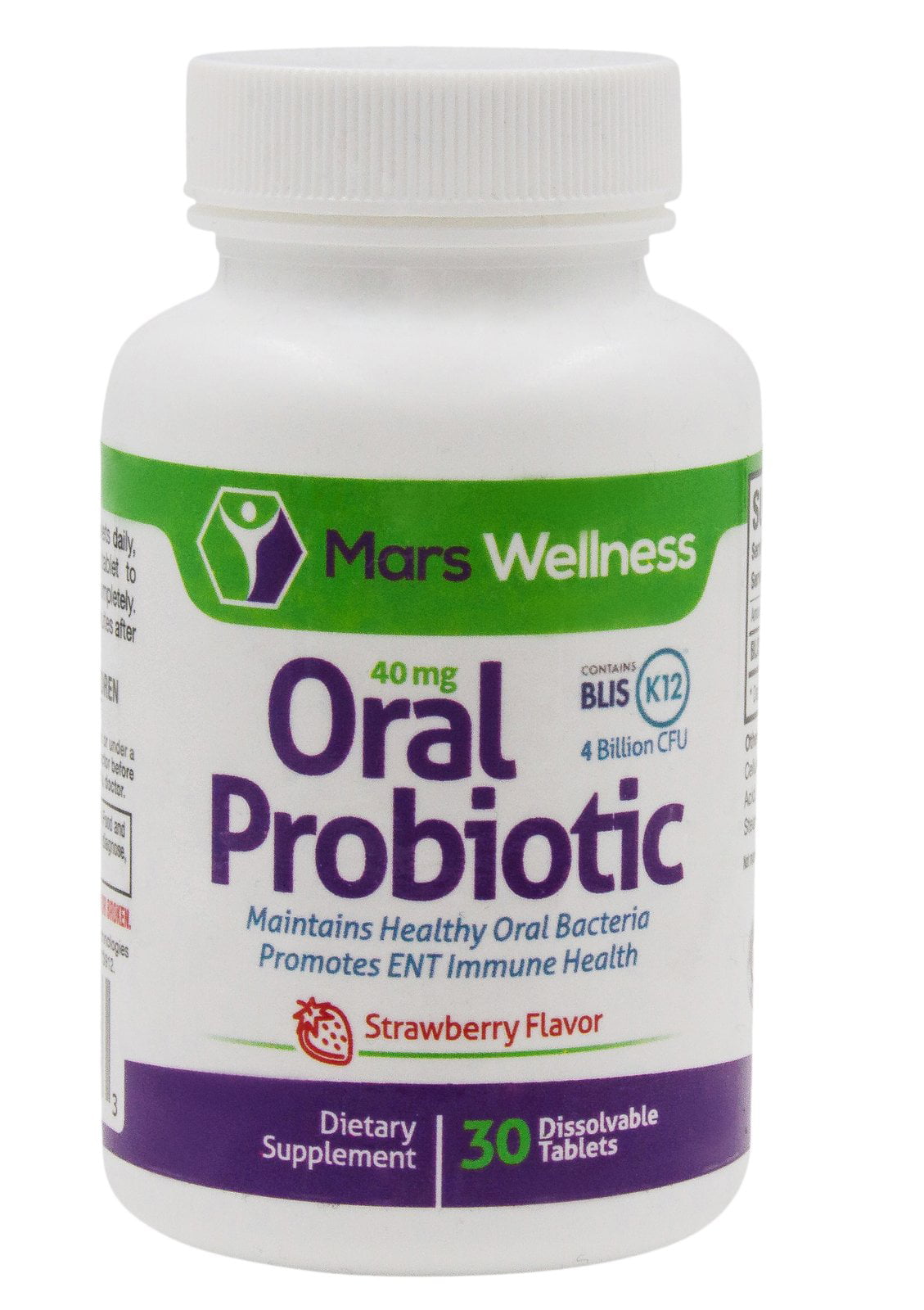
Probiotics and Oral Health in Older Adults: A Comprehensive Review
Oral health significantly impacts the overall well-being of older adults, affecting their nutritional status, systemic health, and quality of life. Age-related physiological changes, coupled with a higher prevalence of chronic diseases and medication use, contribute to increased susceptibility to oral diseases such as caries, periodontal disease, and oral candidiasis. While conventional approaches to oral healthcare remain crucial, emerging research highlights the potential of probiotics as a complementary strategy for promoting and maintaining oral health in this vulnerable population. This review explores the multifaceted mechanisms through which probiotics may support oral health in older adults, examines the current evidence base, and discusses future research directions.
The Oral Microbiome and Age-Related Changes
The oral cavity harbors a complex and dynamic ecosystem of microorganisms, collectively known as the oral microbiome. This microbiome plays a critical role in maintaining oral health and homeostasis. A balanced microbiome is characterized by a diverse population of commensal bacteria, which contribute to host defense against pathogens and modulate the immune response. However, age-related changes significantly alter the composition and function of the oral microbiome, creating an environment more susceptible to dysbiosis â€" an imbalance in the microbial community.
Impact of Aging on Oral Microbiome Composition
Several factors contribute to age-related changes in the oral microbiome. These include:
- Reduced salivary flow: Saliva plays a crucial role in maintaining oral hygiene by lubricating the oral mucosa, neutralizing acids, and providing antimicrobial factors. Age-related xerostomia (dry mouth) reduces the protective effects of saliva, increasing the risk of caries and periodontal disease.
- Changes in immune function: The immune system’s ability to effectively combat oral pathogens diminishes with age, leading to a higher susceptibility to infections.
- Increased prevalence of systemic diseases: Many chronic diseases prevalent in older adults, such as diabetes and cardiovascular disease, are linked to changes in the oral microbiome and increased risk of oral infections.
- Medication side effects: Many commonly prescribed medications, such as antihypertensives and antidepressants, can have xerostomic effects, exacerbating the impact of aging on oral health.
- Poor oral hygiene practices: Reduced dexterity, cognitive impairment, and access to dental care can lead to inadequate oral hygiene practices, further compromising oral health.
Probiotics: Mechanisms of Action in Oral Health
Probiotics are live microorganisms, primarily bacteria and yeasts, that when administered in adequate amounts confer a health benefit on the host. Their beneficial effects in oral health are multifaceted and include:
Competitive Exclusion
Probiotics can competitively inhibit the growth of pathogenic bacteria by competing for adhesion sites on the tooth surface and mucosal tissues. By occupying these sites, probiotics prevent pathogens from colonizing and causing disease. This mechanism is particularly important in preventing caries and periodontal disease.
Production of Antimicrobial Substances
Many probiotic strains produce antimicrobial substances such as bacteriocins, organic acids, and hydrogen peroxide. These substances can directly inhibit the growth and viability of pathogenic bacteria, contributing to a reduction in disease-causing microorganisms.
Modulation of Immune Response
Probiotics can modulate the host's immune response by interacting with immune cells in the oral mucosa. They can enhance the production of antimicrobial peptides and cytokines, contributing to improved host defense against pathogens. Furthermore, certain probiotics possess immunomodulatory properties that can reduce inflammation, a key factor in periodontal disease.
Restoration of Microbial Balance
By introducing beneficial bacteria into the oral microbiome, probiotics can help restore the balance between beneficial and pathogenic microorganisms. This can counteract the age-related shifts in the microbial community that contribute to increased susceptibility to oral diseases. The restoration of eubiosis (a balanced microbiome) promotes a healthy oral environment.
Evidence for Probiotic Use in Older Adults
While the evidence base for the use of probiotics in oral health is still developing, a growing body of research suggests their potential benefits, particularly in older adults. Several studies have demonstrated the efficacy of specific probiotic strains in reducing plaque formation, gingivitis, and halitosis. Furthermore, some preliminary studies suggest a potential role for probiotics in managing oral candidiasis, a common fungal infection in older adults.
Challenges and Limitations of Current Research
Despite the promising results, there are limitations to the existing research. Many studies are small-scale, with limited sample sizes and methodological variations. Furthermore, the optimal probiotic strains, dosages, and delivery methods for older adults remain to be determined. Longitudinal studies are needed to assess the long-term effects of probiotic interventions on oral health outcomes.
Future Research Directions
Future research should focus on several key areas to further elucidate the role of probiotics in oral health in older adults:
- Identification of effective probiotic strains: Further research is needed to identify the most effective probiotic strains for specific oral diseases in older adults. This includes considering strain-specific characteristics, such as adhesion properties, antimicrobial activity, and immunomodulatory effects.
- Optimization of delivery methods: Developing effective and convenient delivery methods, such as lozenges, mouthwashes, or dentifrices, is crucial for ensuring compliance and efficacy in older adults.
- Longitudinal studies: Large-scale, randomized controlled trials are needed to assess the long-term effects of probiotic interventions on oral health outcomes and overall well-being in older adults.
- Personalized approaches: Considering individual factors such as age, health status, and oral microbiome composition could lead to more personalized and effective probiotic interventions.
- Synergistic effects with other interventions: Investigating the synergistic effects of probiotics with other oral health interventions, such as improved oral hygiene practices and conventional dental treatments, could enhance the overall effectiveness of oral health management in older adults.
Conclusion
Probiotics offer a promising complementary approach to conventional oral healthcare for older adults. Their ability to modulate the oral microbiome, inhibit pathogenic bacteria, and modulate the immune response suggests a significant potential for improving oral health and reducing the risk of oral diseases. While further research is needed to fully elucidate their efficacy and optimize their use, probiotics represent a valuable avenue for enhancing oral health outcomes and improving the overall well-being of older adults. The development of effective and accessible probiotic interventions holds significant promise for improving the oral health of this vulnerable population.

0 comments:
Post a Comment
Note: Only a member of this blog may post a comment.