Friday, November 22, 2024
Can Cranberries Prevent Tooth Decay? Here’s What You Need to Know
Can Cranberries Prevent Tooth Decay? Here’s What You Need to Know
The notion of cranberries possessing potent tooth-decay-fighting properties has gained significant traction in recent years. While the vibrant red berry is celebrated for its role in urinary tract health, its potential impact on oral hygiene warrants a closer examination. This article delves into the scientific evidence surrounding cranberries and tooth decay, exploring the mechanisms by which they may exert their effects, and ultimately, offering a balanced perspective on their efficacy in preventing and managing this prevalent oral health issue.
The Science Behind Cranberries and Oral Health
The purported benefits of cranberries in preventing tooth decay primarily stem from their rich concentration of proanthocyanidins (PACs). These naturally occurring compounds belong to a class of polyphenols, known for their potent antioxidant and anti-adhesive properties. PACs are believed to play a crucial role in inhibiting the adhesion of bacteria, particularly Streptococcus mutans, the primary culprit in the formation of dental plaque and the subsequent development of caries (tooth decay).
The Role of Streptococcus mutans
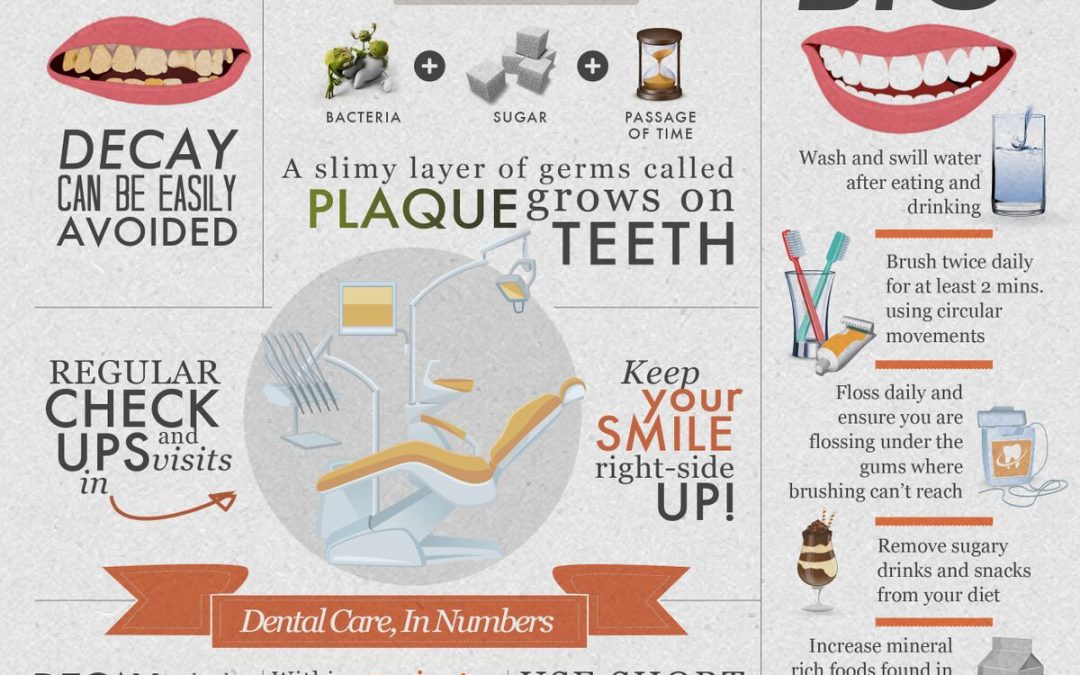
Streptococcus mutans thrives on the sugars present in our diets. Through a complex metabolic process, these bacteria convert sugars into acids, leading to a significant drop in the pH of the oral environment. This acidification demineralizes the tooth enamel, creating microscopic lesions that eventually develop into cavities. The adhesion of S. mutans to the tooth surface is a critical first step in this pathogenic process. PACs are thought to interfere with this adhesion, thus hindering the bacteria's ability to colonize and initiate the caries process.
The Mechanism of Action of PACs
PACs' effectiveness lies in their ability to prevent the formation of biofilms. Biofilms are complex communities of microorganisms encased in a self-produced extracellular matrix. This matrix protects the bacteria within, making them more resistant to antimicrobial agents and the host's immune response. PACs are believed to interfere with the formation of this protective matrix, effectively disrupting the biofilm architecture and rendering the bacteria more susceptible to removal by saliva and mechanical cleaning (such as brushing and flossing).
Beyond PACs: Other Contributing Factors
While PACs are the most extensively studied components of cranberries linked to oral health benefits, other compounds present in cranberries may also contribute to their overall effect. These include other polyphenols, vitamins, and minerals that may possess antioxidant or anti-inflammatory properties, further supporting oral health.
Evidence from Scientific Studies
Although the anecdotal evidence surrounding cranberries and tooth decay is compelling, the scientific evidence supporting its definitive role in caries prevention is still evolving. Numerous in vitro studies (conducted in laboratory settings) have demonstrated the inhibitory effects of cranberry extracts on the adhesion of S. mutans and the formation of biofilms. However, translating these findings into clinical trials with human participants presents significant challenges.
In Vitro Studies
In vitro studies have consistently shown promising results, showcasing the significant reduction in bacterial adhesion and biofilm formation when cranberry extracts are introduced. These studies provide a strong foundation for further investigation, but they do not necessarily translate directly to the complexities of the human oral environment.
In Vivo Studies and Clinical Trials
In vivo studies (conducted on living organisms) and human clinical trials are crucial for establishing the efficacy of cranberries in preventing tooth decay. While some studies have shown a potential positive impact on certain oral health parameters, the results have been inconsistent and often lack the rigor and statistical power required to draw definitive conclusions. More robust, large-scale clinical trials are needed to provide a comprehensive understanding of cranberries' role in caries prevention.
Limitations of Existing Research
The existing research on cranberries and tooth decay faces several limitations. These include:
- Variations in cranberry extract preparation and concentration across different studies, making direct comparisons challenging.
- Lack of standardization in methodologies used to assess oral health parameters.
- Limited sample sizes in many clinical trials, reducing statistical power and the generalizability of results.
- Difficulty in isolating the specific effects of cranberries from other dietary and lifestyle factors influencing oral health.
Cranberries: A Complementary Approach, Not a Replacement
While cranberries may offer some benefits in maintaining oral health, it is crucial to understand that they should not be considered a replacement for established preventive measures. Maintaining excellent oral hygiene practices remains paramount in preventing tooth decay. This includes:
- Brushing teeth twice daily with fluoride toothpaste.
- Flossing daily to remove plaque from between teeth.
- Regular dental checkups and professional cleanings.
- Limiting consumption of sugary and acidic foods and beverages.
Cranberry consumption, in the form of juice or other products, can be viewed as a complementary strategy to enhance existing oral hygiene routines. However, it is vital to remember that excessive consumption of cranberry juice can be detrimental due to its high sugar content, potentially increasing the risk of tooth decay. Moderation is key.
Conclusion
The potential of cranberries to contribute to oral health is an area of ongoing research. While promising in vitro studies demonstrate the anti-adhesive properties of cranberry PACs against S. mutans, the evidence from human clinical trials is still insufficient to definitively establish cranberries as a reliable method of preventing tooth decay. Currently, cranberries should be viewed as a potential adjunct to, not a replacement for, established oral hygiene practices. Further high-quality research is necessary to clarify the true extent of cranberries' impact on caries prevention and to provide concrete recommendations for their optimal utilization in maintaining oral health.

0 comments:
Post a Comment
Note: Only a member of this blog may post a comment.