Friday, November 22, 2024
Purple Carrots and Teeth: A Natural Solution for Gum and Tooth Issues
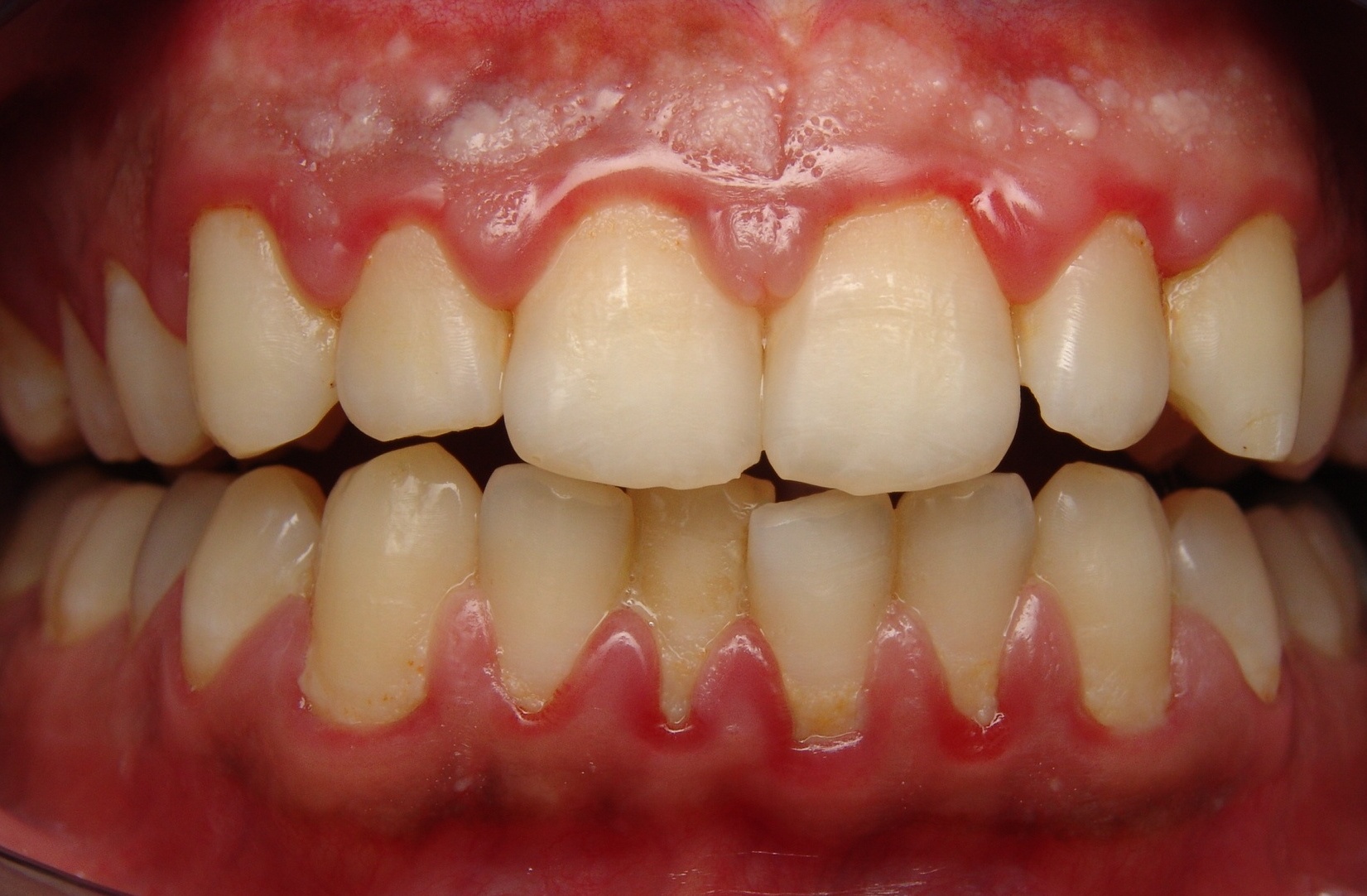
Purple Carrots and Teeth: A Natural Solution for Gum and Tooth Issues
The quest for optimal oral health often leads individuals to explore various methods beyond conventional dentistry. While professional care remains paramount, the incorporation of natural remedies, such as those derived from nutrient-rich foods, can contribute significantly to maintaining healthy gums and teeth. This article delves into the potential benefits of purple carrots, a vibrant root vegetable packed with bioactive compounds, in addressing common oral health concerns. While not a replacement for professional dental care, the evidence suggests a potential supplementary role for purple carrots in supporting oral hygiene.
Understanding the Oral Microbiome and its Impact on Health
The oral cavity harbors a complex and dynamic ecosystem known as the oral microbiome. This community of microorganisms, including bacteria, fungi, and viruses, plays a crucial role in maintaining oral health. A balanced microbiome contributes to the integrity of the tooth enamel, gingival tissue, and overall oral mucosal health. However, an imbalance, or dysbiosis, in the oral microbiome can lead to a cascade of detrimental effects, culminating in various oral diseases.
The Role of Bacteria in Oral Diseases
Certain bacteria within the oral microbiome are particularly implicated in the development of dental caries (tooth decay) and periodontal diseases (gum diseases). Streptococcus mutans, for example, is a key player in the initiation of dental caries, producing acids that erode tooth enamel. Similarly, Porphyromonas gingivalis and other anaerobic bacteria are strongly associated with the progression of periodontal diseases, leading to inflammation, gum recession, and ultimately, tooth loss. These bacteria thrive in environments with high levels of sugar and plaque accumulation.
The Importance of Antioxidants in Oral Health
Maintaining a healthy oral microbiome involves managing the inflammatory response and combating oxidative stress. Oxidative stress, a condition characterized by an imbalance between the production of reactive oxygen species (ROS) and the body's ability to neutralize them, contributes significantly to the pathogenesis of periodontal disease. Antioxidants, substances that neutralize ROS, play a crucial role in mitigating oxidative stress and reducing inflammation.
Purple Carrots: A Rich Source of Bioactive Compounds
Purple carrots, a naturally occurring variant of the common carrot (Daucus carota), stand out for their exceptional nutritional profile. Unlike their orange counterparts, purple carrots owe their distinctive color to a high concentration of anthocyanins, a group of potent antioxidant pigments belonging to the flavonoid family. These anthocyanins are responsible for the array of health benefits associated with purple carrots, including their potential positive effects on oral health.
Anthocyanins and their Antibacterial Properties
Studies have demonstrated the antibacterial activity of anthocyanins against various oral pathogens. These compounds can inhibit the growth and metabolic activity of bacteria like Streptococcus mutans and Porphyromonas gingivalis, contributing to a reduction in plaque formation and the prevention of oral infections. The mechanism of action often involves disruption of bacterial cell membranes and interference with bacterial enzyme activity.
Anti-inflammatory Effects of Anthocyanins
Beyond their antibacterial properties, anthocyanins exhibit potent anti-inflammatory effects. They can modulate inflammatory pathways, reducing the production of pro-inflammatory cytokines that contribute to gum inflammation and periodontal disease. This anti-inflammatory action helps to maintain the health of the gingival tissues and prevent the progression of periodontal disease.
Potential Benefits of Purple Carrots for Oral Health
The combined antibacterial and anti-inflammatory properties of the anthocyanins in purple carrots suggest several potential benefits for oral health:
- Reduced Plaque Formation: The antibacterial activity of anthocyanins may contribute to a decrease in plaque accumulation, a major factor in the development of dental caries and periodontal disease.
- Prevention of Gingivitis: The anti-inflammatory effects of anthocyanins can help to prevent or manage gingivitis, the initial stage of periodontal disease, characterized by gum inflammation and bleeding.
- Improved Periodontal Health: By reducing inflammation and inhibiting the growth of pathogenic bacteria, purple carrots may support the maintenance of healthy periodontal tissues and prevent the progression of periodontal disease.
- Enhanced Oral Hygiene: Consuming purple carrots can contribute to overall oral health by providing a natural source of antioxidants and antibacterial compounds.
Incorporating Purple Carrots into an Oral Health Routine
While purple carrots are not a substitute for regular brushing, flossing, and professional dental checkups, they can be a valuable addition to a comprehensive oral health regimen. Consider these suggestions for incorporating purple carrots into your diet:
- Raw Consumption: Eating raw purple carrots promotes thorough chewing, stimulating saliva production and mechanically cleaning teeth.
- Juicing: Purple carrot juice can be a refreshing and convenient way to consume this nutrient-rich vegetable.
- Smoothies: Blend purple carrots with other fruits and vegetables to create a delicious and nutritious smoothie.
- Cooking: While some nutritional benefits may be lost during cooking, purple carrots can be incorporated into various cooked dishes.
Further Research and Considerations
While the existing evidence suggests promising potential benefits, further research is warranted to fully elucidate the effects of purple carrots on oral health. Controlled clinical trials are needed to confirm the efficacy of purple carrots in preventing and treating specific oral diseases. Moreover, individual responses to dietary interventions can vary, and it's essential to consult with a dentist or healthcare professional before making significant changes to your diet, especially if you have pre-existing oral health conditions.
In conclusion, purple carrots, rich in anthocyanins, offer a natural source of antibacterial and anti-inflammatory compounds that may contribute to improved oral health. While not a standalone solution, incorporating purple carrots into a balanced diet and comprehensive oral hygiene routine may play a supportive role in maintaining healthy gums and teeth. Remember that professional dental care remains crucial for optimal oral health.

0 comments:
Post a Comment
Note: Only a member of this blog may post a comment.