Sunday, November 24, 2024
How to Support Your Oral Microbiome When You're on a Vegan Diet
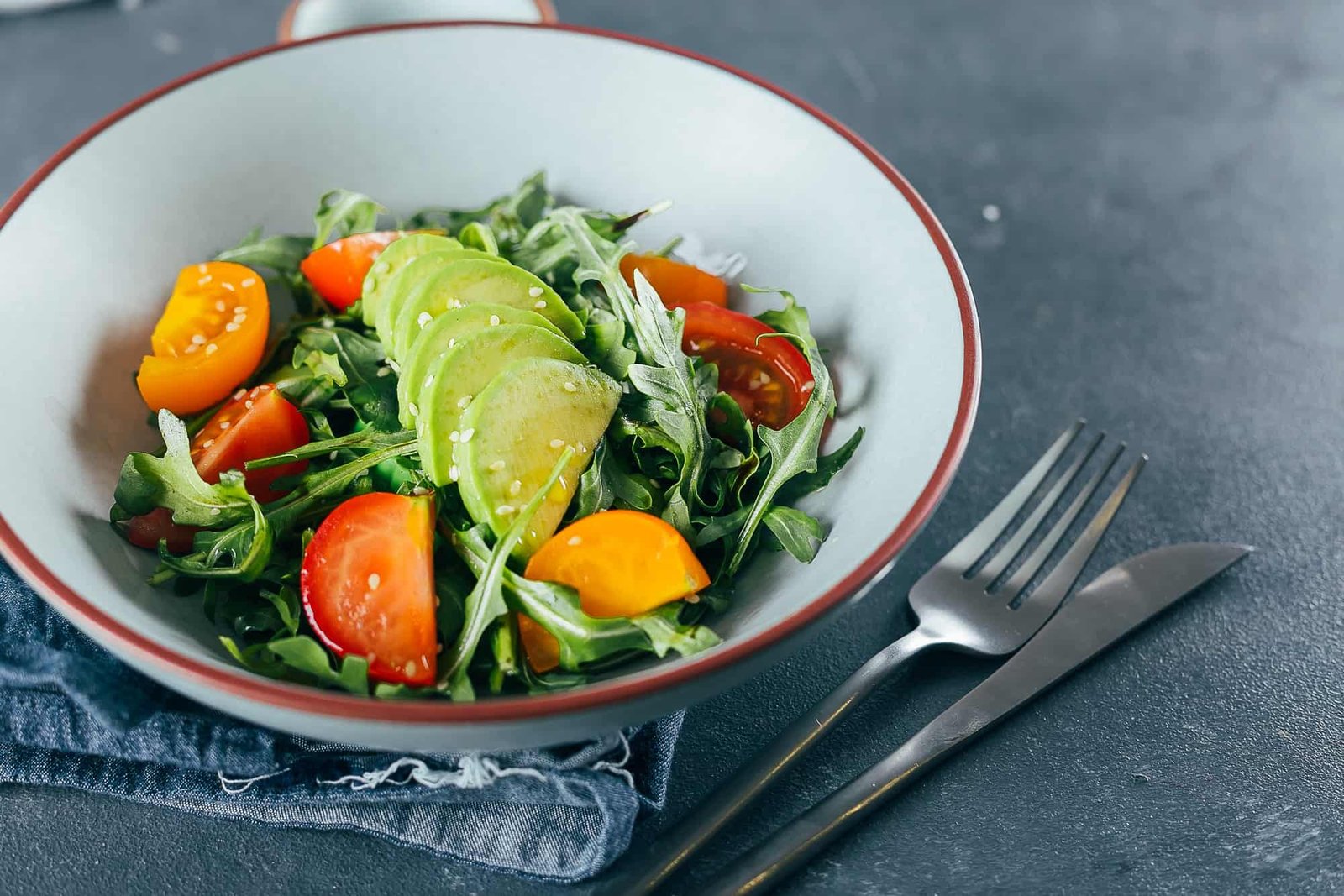
Keeping Your Mouth Happy: Vegan Diets & Oral Health
Hey everyone! So you're rocking a vegan lifestyle, which is awesome! But you might be wondering, "What about my teeth? Is my vegan diet messing with my mouth's happy little ecosystem?" Don't worry, it doesn't have to! Your oral microbiome (that's the community of bacteria, fungi, and other microorganisms living in your mouth) plays a huge role in your overall oral health. A healthy mouth means fewer cavities, less gum disease, and a brighter smile. This guide will walk you through how to keep your oral microbiome thriving while enjoying all the deliciousness of a vegan diet.Understanding Your Oral Microbiome
Think of your mouth as a bustling city. It's teeming with life â€" millions of microorganisms! Some are good guys, helping to protect against harmful bacteria and even boosting your immune system. Others, well, they're the troublemakers, leading to cavities and gum disease. A balanced microbiome, with more good guys than bad, is key to a healthy mouth. And guess what? Your diet significantly influences this delicate balance.The Good, the Bad, and the…Mostly Neutral
* The Good Guys: These beneficial bacteria produce antimicrobial substances, help maintain a healthy pH balance in your mouth, and even compete with bad bacteria for resources. * The Bad Guys: These are the cavity-causing culprits. They produce acids that erode tooth enamel, leading to cavities. They also contribute to gum inflammation (gingivitis) and periodontitis (more severe gum disease). * The Mostly Neutral: These microbes are neither helpful nor harmful, existing peacefully alongside the others. Their role is more complex and often depends on the overall environment in your mouth.How a Vegan Diet Can Impact Oral Health â€" Both Positively and Negatively
Vegan diets, when well-planned, can be incredibly beneficial for your overall health, including your oral health. However, some aspects might require extra attention.The Potential Positives
* Lower Sugar Intake (Potentially): Many vegan diets are naturally lower in refined sugars than some omnivorous diets. Sugar feeds the bad bacteria, leading to acid production and tooth decay. So, minimizing sugar intake is a huge win! * Increased Fiber Intake: Fiber-rich fruits, vegetables, and whole grains stimulate saliva production. Saliva is your mouth's natural cleaning agent, washing away food particles and neutralizing acids. Bonus! * Rich in Antioxidants: Many plant-based foods are packed with antioxidants, which help protect cells from damage, including cells in your gums and mouth tissues.The Potential Negatives
* Nutrient Deficiencies (If Not Planned Properly): A poorly planned vegan diet could lead to deficiencies in certain nutrients, like vitamin B12 and calcium, which are crucial for oral health. Vitamin B12 deficiency can affect nerve function, potentially impacting your mouth's sensitivity. Calcium is essential for strong teeth and bones. * Acidic Foods: Some vegan foods, like citrus fruits and tomatoes, can be quite acidic. While they offer great health benefits, frequent consumption of acidic foods can erode tooth enamel over time. * Lack of Vitamin D and K2: Vitamin D and K2 work together to improve the absorption of calcium which can have a positive impact on bone and teeth health.Tips for Supporting Your Vegan Oral Microbiome
Here's how to keep your mouth happy and healthy on a vegan diet:Diet-Specific Strategies
* Prioritize Whole Foods: Focus on whole, unprocessed plant-based foods like fruits, vegetables, legumes, and whole grains. These are generally less likely to stick to your teeth and feed the bad bacteria. * Watch Out for Acidic Foods: Enjoy acidic foods in moderation. Rinse your mouth with water after consuming them to neutralize the acid. * Snack Smartly: Choose healthy snacks like fruits and vegetables over processed vegan snacks that are high in sugar. * Stay Hydrated: Drinking plenty of water helps wash away food particles and keeps your mouth moist, which is important for a healthy microbiome. * Supplement Wisely: Consider taking a B12 supplement and a high-quality vegan calcium supplement, especially if you're concerned about potential deficiencies. Consult your doctor or a registered dietitian to determine the right dosage for you. Also check your vitamin D and K2 levels. * Consume Fermented Foods (in Moderation): Certain fermented foods, like kimchi or sauerkraut, contain beneficial bacteria that may support a balanced oral microbiome. However, remember that acidic foods can erode your teeth and gums. * Limit processed foods and drinks: Most processed foods contain added sugars and other ingredients that are detrimental to your health, including oral health.Oral Hygiene Habits
* Brush Twice Daily: Use a fluoride toothpaste and brush gently for at least two minutes each time. * Floss Daily: Flossing removes food particles and plaque from between your teeth, areas your toothbrush can't reach. * Use an Antimicrobial Mouthwash: Using an antimicrobial mouthwash can help reduce the number of harmful bacteria in your mouth. * Regular Dental Checkups: Schedule regular checkups and cleanings with your dentist to address any issues early on.Commonly Asked Questions
* Q: Will my vegan diet cause bad breath?A: Not necessarily! Bad breath is usually caused by bacteria breaking down food particles in the mouth. Maintaining good oral hygiene is key, regardless of your diet. However, some vegan foods are known to impact breath, so it’s better to maintain a balanced diet and oral hygiene regimen. * Q: Are vegan toothpastes as effective as regular toothpastes?
A: Many vegan toothpastes are just as effective, especially those containing fluoride. Look for ones with the ADA Seal of Acceptance, indicating they meet their standards for safety and effectiveness. * Q: Can I get enough calcium and vitamin D on a vegan diet?
A: Yes, absolutely! Many plant-based foods contain calcium, such as leafy greens and fortified plant milks. However, supplementing with vitamin D is often recommended for vegans, as it’s not readily available in plant sources. Consult your doctor or a registered dietitian to ensure you are getting adequate amounts of these nutrients. * Q: What if I experience bleeding gums on a vegan diet?
A: Bleeding gums can be a sign of gingivitis, an early stage of gum disease. It's important to address this immediately. Improve your oral hygiene routine and schedule a checkup with your dentist. They can determine the cause and recommend appropriate treatment. Remember, a happy, healthy oral microbiome is achievable on a vegan diet, as long as you pay attention to your diet, maintain excellent oral hygiene, and consider supplementing where necessary. Consult your dentist and a registered dietitian if you have any specific concerns!

Subscribe to:
Post Comments (Atom)
0 comments:
Post a Comment
Note: Only a member of this blog may post a comment.