Friday, November 22, 2024
How Probiotic Supplements Can Transform Your Oral Hygiene
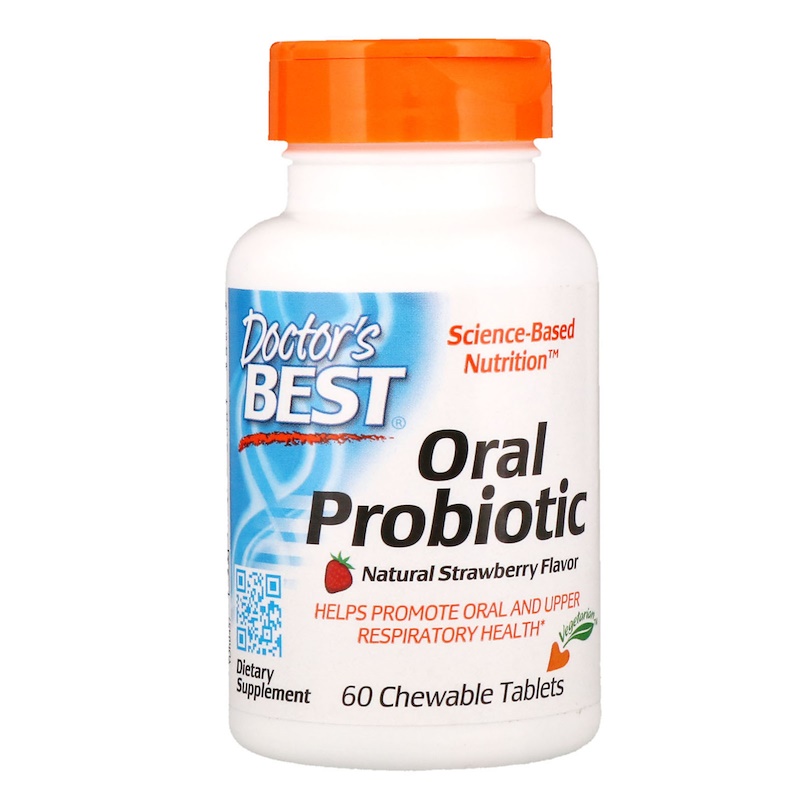
Probiotic Supplements: A Novel Approach to Enhancing Oral Hygiene
Maintaining optimal oral hygiene is paramount for overall health and well-being. While traditional methods such as brushing, flossing, and professional cleanings remain cornerstones of oral care, emerging research highlights the significant potential of probiotic supplements in transforming this landscape. This article delves into the multifaceted ways in which probiotics can contribute to improved oral health, addressing their mechanisms of action, efficacy, and considerations for their use.
The Oral Microbiome: A Complex Ecosystem
The human mouth harbors a diverse and dynamic microbial community, the oral microbiome, comprising bacteria, archaea, fungi, and viruses. This intricate ecosystem plays a crucial role in maintaining oral health. A balanced microbiome, characterized by a diverse array of beneficial microorganisms, contributes to the suppression of pathogenic bacteria and the preservation of tissue integrity. However, dysbiosis, or an imbalance in the microbial community, is often implicated in the development of various oral diseases.
Dysbiosis and Oral Diseases
A shift towards a dominance of pathogenic bacteria, often driven by factors such as poor oral hygiene, diet, and systemic conditions, can lead to a cascade of adverse effects. Dental caries (tooth decay), for instance, arises from the acid production by cariogenic bacteria like Streptococcus mutans. Gingivitis and periodontitis, inflammatory diseases affecting the gums and supporting structures of the teeth, are linked to the overgrowth of periodontal pathogens such as Porphyromonas gingivalis and Aggregatibacter actinomycetemcomitans. Halitosis, or bad breath, also stems from microbial imbalances and the production of volatile sulfur compounds by certain bacteria.
Probiotics: Restoring Microbial Balance
Probiotics, defined as live microorganisms that confer a health benefit on the host when administered in adequate amounts, offer a promising approach to modulating the oral microbiome and preventing or treating oral diseases. By introducing beneficial bacteria into the oral cavity, probiotics can potentially counteract the detrimental effects of pathogenic microorganisms.
Mechanisms of Action
The mechanisms by which probiotics exert their beneficial effects on oral health are multifaceted and complex. These include:
- Competitive exclusion: Probiotic bacteria compete with pathogens for nutrients and attachment sites on the tooth surface and gingival tissues, thereby limiting their colonization and growth.
- Production of antimicrobial substances: Certain probiotic strains produce bacteriocins, hydrogen peroxide, and other antimicrobial compounds that inhibit the growth of pathogenic bacteria.
- Modulation of the immune system: Probiotics can interact with the host immune system, enhancing the immune response against pathogens and reducing inflammation.
- Regulation of pH: Some probiotic strains can neutralize acids produced by cariogenic bacteria, thus mitigating their damaging effects on tooth enamel.
- Enhancement of saliva production: Adequate saliva flow plays a critical role in oral health by washing away food debris and neutralizing acids. Some probiotic strains may stimulate saliva production.
Efficacy and Evidence
While the potential benefits of probiotic supplements for oral health are considerable, the existing evidence base is still developing. Numerous in vitro and in vivo studies have demonstrated the effectiveness of specific probiotic strains in inhibiting the growth of oral pathogens and reducing inflammation. However, larger-scale, randomized controlled trials are needed to confirm these findings and establish the optimal probiotic strains, dosages, and administration methods for various oral conditions.
Challenges and Limitations
Several challenges remain in the application of probiotics for oral health. These include:
- Strain specificity: The efficacy of probiotics is highly strain-specific. Not all probiotic strains are equally effective in modulating the oral microbiome or preventing oral diseases. Careful selection of strains based on their demonstrated efficacy is crucial.
- Delivery method: Effective delivery of probiotic bacteria to the oral cavity can be challenging. The harsh environment of the mouth, with its acidic pH and enzymatic activity, can reduce the viability of probiotics. Different delivery methods, such as lozenges, chewing gums, mouthwashes, and even toothpaste are being explored.
- Dosage and duration: Optimal dosage and duration of probiotic supplementation vary depending on the specific strain and the target condition. Further research is necessary to establish effective regimens for different oral diseases.
- Individual variability: The response to probiotic supplementation can vary significantly among individuals due to differences in their baseline oral microbiome composition, genetic makeup, and overall health status.
Future Directions and Clinical Applications
Despite these challenges, the future of probiotic therapy in oral health appears bright. Ongoing research is focused on:
- Identifying novel probiotic strains: Researchers are actively screening for new probiotic strains with enhanced efficacy and safety profiles.
- Developing novel delivery systems: Advances in drug delivery technology are aimed at improving the stability and bioavailability of probiotic bacteria in the oral cavity.
- Personalized probiotic therapies: Future applications may involve the development of personalized probiotic therapies tailored to the specific needs of individual patients based on their unique oral microbiome profiles.
- Combination therapies: The combined use of probiotics with other therapeutic interventions, such as antimicrobial agents and traditional oral hygiene practices, may enhance treatment efficacy.
In conclusion, probiotic supplements hold considerable promise for enhancing oral hygiene and preventing or treating oral diseases. While further research is needed to fully elucidate their mechanisms of action and optimize their clinical application, the emerging evidence suggests that probiotics may represent a valuable addition to the armamentarium of oral healthcare strategies. The integration of probiotic therapies into conventional oral hygiene practices could pave the way for a more comprehensive and effective approach to maintaining a healthy and balanced oral microbiome throughout life.

0 comments:
Post a Comment
Note: Only a member of this blog may post a comment.