Sunday, November 24, 2024
How to Support Your Oral Microbiome When You're on a Vegan Diet

Keeping Your Mouth Happy: Vegan Diets & Oral Health
Hey everyone! So you're rocking a vegan lifestyle, which is awesome! But you might be wondering, "What about my teeth? Is my vegan diet messing with my mouth's happy little ecosystem?" Don't worry, it doesn't have to! Your oral microbiome (that's the community of bacteria, fungi, and other microorganisms living in your mouth) plays a huge role in your overall oral health. A healthy mouth means fewer cavities, less gum disease, and a brighter smile. This guide will walk you through how to keep your oral microbiome thriving while enjoying all the deliciousness of a vegan diet.Understanding Your Oral Microbiome
Think of your mouth as a bustling city. It's teeming with life â€" millions of microorganisms! Some are good guys, helping to protect against harmful bacteria and even boosting your immune system. Others, well, they're the troublemakers, leading to cavities and gum disease. A balanced microbiome, with more good guys than bad, is key to a healthy mouth. And guess what? Your diet significantly influences this delicate balance.The Good, the Bad, and the…Mostly Neutral
* The Good Guys: These beneficial bacteria produce antimicrobial substances, help maintain a healthy pH balance in your mouth, and even compete with bad bacteria for resources. * The Bad Guys: These are the cavity-causing culprits. They produce acids that erode tooth enamel, leading to cavities. They also contribute to gum inflammation (gingivitis) and periodontitis (more severe gum disease). * The Mostly Neutral: These microbes are neither helpful nor harmful, existing peacefully alongside the others. Their role is more complex and often depends on the overall environment in your mouth.How a Vegan Diet Can Impact Oral Health â€" Both Positively and Negatively
Vegan diets, when well-planned, can be incredibly beneficial for your overall health, including your oral health. However, some aspects might require extra attention.The Potential Positives
* Lower Sugar Intake (Potentially): Many vegan diets are naturally lower in refined sugars than some omnivorous diets. Sugar feeds the bad bacteria, leading to acid production and tooth decay. So, minimizing sugar intake is a huge win! * Increased Fiber Intake: Fiber-rich fruits, vegetables, and whole grains stimulate saliva production. Saliva is your mouth's natural cleaning agent, washing away food particles and neutralizing acids. Bonus! * Rich in Antioxidants: Many plant-based foods are packed with antioxidants, which help protect cells from damage, including cells in your gums and mouth tissues.The Potential Negatives
* Nutrient Deficiencies (If Not Planned Properly): A poorly planned vegan diet could lead to deficiencies in certain nutrients, like vitamin B12 and calcium, which are crucial for oral health. Vitamin B12 deficiency can affect nerve function, potentially impacting your mouth's sensitivity. Calcium is essential for strong teeth and bones. * Acidic Foods: Some vegan foods, like citrus fruits and tomatoes, can be quite acidic. While they offer great health benefits, frequent consumption of acidic foods can erode tooth enamel over time. * Lack of Vitamin D and K2: Vitamin D and K2 work together to improve the absorption of calcium which can have a positive impact on bone and teeth health.Tips for Supporting Your Vegan Oral Microbiome
Here's how to keep your mouth happy and healthy on a vegan diet:Diet-Specific Strategies
* Prioritize Whole Foods: Focus on whole, unprocessed plant-based foods like fruits, vegetables, legumes, and whole grains. These are generally less likely to stick to your teeth and feed the bad bacteria. * Watch Out for Acidic Foods: Enjoy acidic foods in moderation. Rinse your mouth with water after consuming them to neutralize the acid. * Snack Smartly: Choose healthy snacks like fruits and vegetables over processed vegan snacks that are high in sugar. * Stay Hydrated: Drinking plenty of water helps wash away food particles and keeps your mouth moist, which is important for a healthy microbiome. * Supplement Wisely: Consider taking a B12 supplement and a high-quality vegan calcium supplement, especially if you're concerned about potential deficiencies. Consult your doctor or a registered dietitian to determine the right dosage for you. Also check your vitamin D and K2 levels. * Consume Fermented Foods (in Moderation): Certain fermented foods, like kimchi or sauerkraut, contain beneficial bacteria that may support a balanced oral microbiome. However, remember that acidic foods can erode your teeth and gums. * Limit processed foods and drinks: Most processed foods contain added sugars and other ingredients that are detrimental to your health, including oral health.Oral Hygiene Habits
* Brush Twice Daily: Use a fluoride toothpaste and brush gently for at least two minutes each time. * Floss Daily: Flossing removes food particles and plaque from between your teeth, areas your toothbrush can't reach. * Use an Antimicrobial Mouthwash: Using an antimicrobial mouthwash can help reduce the number of harmful bacteria in your mouth. * Regular Dental Checkups: Schedule regular checkups and cleanings with your dentist to address any issues early on.Commonly Asked Questions
* Q: Will my vegan diet cause bad breath?A: Not necessarily! Bad breath is usually caused by bacteria breaking down food particles in the mouth. Maintaining good oral hygiene is key, regardless of your diet. However, some vegan foods are known to impact breath, so it’s better to maintain a balanced diet and oral hygiene regimen. * Q: Are vegan toothpastes as effective as regular toothpastes?
A: Many vegan toothpastes are just as effective, especially those containing fluoride. Look for ones with the ADA Seal of Acceptance, indicating they meet their standards for safety and effectiveness. * Q: Can I get enough calcium and vitamin D on a vegan diet?
A: Yes, absolutely! Many plant-based foods contain calcium, such as leafy greens and fortified plant milks. However, supplementing with vitamin D is often recommended for vegans, as it’s not readily available in plant sources. Consult your doctor or a registered dietitian to ensure you are getting adequate amounts of these nutrients. * Q: What if I experience bleeding gums on a vegan diet?
A: Bleeding gums can be a sign of gingivitis, an early stage of gum disease. It's important to address this immediately. Improve your oral hygiene routine and schedule a checkup with your dentist. They can determine the cause and recommend appropriate treatment. Remember, a happy, healthy oral microbiome is achievable on a vegan diet, as long as you pay attention to your diet, maintain excellent oral hygiene, and consider supplementing where necessary. Consult your dentist and a registered dietitian if you have any specific concerns!

How to Reduce Gum Inflammation with Turmeric and Ginger Supplements

Mitigating Gum Inflammation: Exploring the Therapeutic Potential of Turmeric and Ginger Supplements
Gum inflammation, medically termed gingivitis, is a prevalent oral health issue characterized by redness, swelling, and bleeding of the gums. If left untreated, it can progress to periodontitis, a more severe condition leading to tooth loss. While conventional treatments like scaling and root planing are effective, many individuals seek complementary and alternative therapies to manage symptoms and promote healing. Turmeric and ginger, renowned for their anti-inflammatory properties, have garnered attention as potential adjunctive therapies in the management of gum inflammation. This article explores the scientific evidence supporting their use and provides insights into their mechanisms of action, dosage considerations, and potential limitations.
The Anti-Inflammatory Power of Turmeric and Ginger
Both turmeric and ginger possess potent anti-inflammatory properties attributed to their bioactive compounds. Turmeric's primary active component is curcumin, a polyphenol with robust anti-inflammatory, antioxidant, and antimicrobial effects. Curcumin exerts its effects through multiple pathways, including the inhibition of pro-inflammatory enzymes like cyclooxygenase-2 (COX-2) and lipoxygenase (LOX), and the modulation of inflammatory signaling pathways such as nuclear factor-κB (NF-κB).
Similarly, ginger's bioactive compounds, primarily gingerols and shogaols, contribute to its anti-inflammatory activity. These compounds inhibit the production of inflammatory mediators, including prostaglandins and leukotrienes, and reduce the activity of inflammatory cells like neutrophils and macrophages. The synergistic effects of these bioactive components in both turmeric and ginger potentially amplify their therapeutic benefits in managing gum inflammation.
Curcumin's Mechanism of Action in Gum Inflammation
Curcumin's impact on gum inflammation is multifaceted. It effectively targets the underlying inflammatory processes by:
- Inhibiting COX-2 and LOX enzymes: These enzymes are crucial in the production of prostaglandins and leukotrienes, inflammatory mediators responsible for pain, swelling, and redness in the gums.
- Suppressing NF-κB activation: NF-κB is a transcription factor that regulates the expression of numerous pro-inflammatory genes. Curcumin's inhibition of NF-κB effectively reduces the production of inflammatory cytokines and chemokines.
- Modulating immune cell activity: Curcumin modulates the activity of immune cells, reducing the infiltration of inflammatory cells into the gum tissue and mitigating the inflammatory response.
- Exerting antimicrobial effects: Curcumin demonstrates antimicrobial properties against various oral pathogens, further contributing to the reduction of gum inflammation.
Ginger's Mechanism of Action in Gum Inflammation
Ginger's anti-inflammatory effects in the context of gum inflammation stem from its bioactive compounds' ability to:
- Reduce prostaglandin production: Prostaglandins are crucial mediators of inflammation, pain, and swelling in gingivitis. Gingerols and shogaols effectively inhibit their production.
- Inhibit leukotriene synthesis: Leukotrienes, another class of inflammatory mediators, are also targeted by ginger's bioactive compounds, contributing to the reduction of inflammatory symptoms.
- Suppress inflammatory cell activity: Ginger's compounds dampen the activity of inflammatory cells, such as neutrophils and macrophages, reducing their infiltration into the gum tissue.
- Enhance antioxidant defense: Ginger possesses significant antioxidant capacity, helping to neutralize reactive oxygen species (ROS) implicated in the pathogenesis of gum inflammation.
Evidence Supporting the Use of Turmeric and Ginger Supplements for Gum Inflammation
While research on the direct application of turmeric and ginger supplements for gum inflammation is still emerging, existing studies provide encouraging evidence. Many studies highlight the anti-inflammatory and antimicrobial properties of curcumin and gingerols in vitro and in animal models. These studies demonstrate their ability to reduce inflammatory markers and improve gingival health parameters. However, high-quality, randomized controlled trials in humans are needed to definitively establish their efficacy as a standalone treatment for gingivitis.
Furthermore, several studies suggest that the combined use of turmeric and ginger may offer synergistic benefits. The combination could potentially enhance their anti-inflammatory and antimicrobial effects, leading to more significant improvements in gum health. However, this hypothesis requires further investigation through rigorous clinical trials.
Dosage Considerations and Potential Side Effects
The optimal dosage of turmeric and ginger supplements for managing gum inflammation is not yet definitively established. However, based on existing research and general recommendations, a typical dosage might include 500-1000 mg of turmeric extract (standardized to contain a specific percentage of curcumin) and 250-500 mg of ginger extract daily. It's crucial to choose high-quality supplements from reputable manufacturers that provide standardized extracts with clearly labeled potency.
While generally considered safe, turmeric and ginger can have potential side effects. Turmeric may cause digestive upset, such as nausea, diarrhea, or heartburn, in some individuals. High doses of turmeric may also interact with certain medications, such as blood thinners. Ginger can also cause gastrointestinal discomfort in some people. Individuals with bleeding disorders should exercise caution when using ginger. It is always advisable to consult a healthcare professional before starting any new supplement regimen, particularly if you are pregnant, breastfeeding, or have pre-existing health conditions or are taking other medications.
Conclusion: A Promising Adjunctive Therapy
Turmeric and ginger hold significant promise as adjunctive therapies in the management of gum inflammation. Their potent anti-inflammatory and antimicrobial properties, supported by preclinical evidence, suggest their potential to alleviate symptoms and promote healing. However, more large-scale, well-designed clinical trials in humans are essential to confirm their efficacy and establish optimal dosage regimens. While these supplements offer a potentially valuable approach to supporting oral health, they should not replace conventional dental care and professional treatment of gum disease. Individuals should always consult with their dentist or healthcare provider to determine the most appropriate treatment plan for their specific situation. The combined use of conventional treatments, alongside the potential benefits of turmeric and ginger supplements, may offer a comprehensive approach to managing gum inflammation and maintaining optimal oral health.
Disclaimer: This article provides information for educational purposes only and should not be construed as medical advice. Always consult with a healthcare professional before starting any new supplement or treatment regimen.
How to Prevent Gum Disease and Protect Your Smile at Home

How to Prevent Gum Disease and Protect Your Smile at Home
Gum disease, also known as periodontal disease, is a prevalent oral health issue affecting millions worldwide. Characterized by inflammation and infection of the gums, it can lead to significant consequences if left untreated, ranging from tooth loss to systemic health problems. Fortunately, proactive home care plays a crucial role in preventing and managing gum disease. By adopting a comprehensive oral hygiene regimen and maintaining healthy lifestyle choices, individuals can significantly reduce their risk and preserve their oral health for years to come.
Understanding the Mechanisms of Gum Disease
To effectively prevent gum disease, it’s essential to understand its underlying mechanisms. The process typically begins with gingivitis, an early stage marked by inflamed and bleeding gums. This inflammation is primarily caused by a buildup of plaque, a sticky film of bacteria that constantly forms on teeth. If plaque isn't adequately removed through brushing and flossing, it hardens into calculus (tartar), a rough deposit that provides an even more hospitable environment for bacterial growth.
The bacteria in plaque produce toxins that irritate the gums, leading to inflammation and bleeding. If gingivitis is left untreated, it can progress to periodontitis, a more severe form of gum disease. In periodontitis, the infection extends beyond the gums, damaging the supporting structures of the teeth, including the periodontal ligaments and alveolar bone. This can result in loose teeth, tooth loss, and even bone recession, significantly altering facial aesthetics.
Essential Home Care Practices for Gum Disease Prevention
A comprehensive home care regimen is the cornerstone of gum disease prevention. This regimen involves a meticulous approach to brushing, flossing, and the use of therapeutic mouthwashes, all underpinned by a commitment to maintaining healthy habits.
Brushing Techniques for Optimal Plaque Removal
Brushing your teeth twice daily for at least two minutes each time is paramount. However, the technique of brushing is equally crucial. Use a soft-bristled toothbrush and employ gentle, circular motions, ensuring that you cover all tooth surfaces â€" the outer, inner, and chewing surfaces. Pay particular attention to the gum line, where plaque tends to accumulate most readily. Consider using an electric toothbrush, as studies have shown their effectiveness in removing plaque more efficiently than manual brushes. Replace your toothbrush every three to four months, or sooner if the bristles become frayed.
The Importance of Flossing: Reaching Interdental Spaces
Brushing alone cannot effectively remove plaque from between teeth, where the majority of gum disease begins. Flossing is therefore essential. Use about 18 inches of floss, carefully guiding it between each tooth, curving it around the base of each tooth in a "C" shape. Gently slide the floss up and down to remove plaque and food particles. Floss at least once a day, ideally before bedtime.
Therapeutic Mouthwashes: An Adjunctive Approach
Therapeutic mouthwashes can complement brushing and flossing, providing an additional layer of protection. Look for mouthwashes containing chlorhexidine or essential oils, as these have demonstrated efficacy in reducing plaque and gingivitis. Always follow the manufacturer's instructions for usage, as excessive use can lead to undesirable side effects. Consult your dentist before incorporating a therapeutic mouthwash into your routine, especially if you have any underlying health conditions.
Choosing the Right Oral Hygiene Aids
Selecting the appropriate oral hygiene aids is crucial for effective plaque removal. Beyond toothbrushes and floss, consider interdental brushes for cleaning larger interdental spaces, and tongue scrapers to remove bacteria from the tongue's surface. Your dentist can help determine the most suitable aids based on your individual needs and oral anatomy.
Lifestyle Factors Influencing Gum Health
While diligent oral hygiene is fundamental, lifestyle factors play a significant role in gum health. These factors can either contribute to or mitigate the risk of gum disease.
Dietary Habits and Gum Health
A balanced diet rich in fruits, vegetables, and whole grains is crucial for overall health, including oral health. Limit the consumption of sugary and acidic foods and drinks, as they promote bacterial growth and contribute to tooth decay and gum inflammation. Adequate hydration is also important for maintaining oral tissues.
Smoking Cessation: A Critical Step
Smoking is a major risk factor for gum disease. It impairs the body's immune response, making it more susceptible to infection. Smoking also reduces blood flow to the gums, hindering healing and increasing the severity of periodontal disease. Quitting smoking is essential for protecting your gum health and overall well-being.
Stress Management and its Impact on Oral Health
Chronic stress can negatively impact various aspects of health, including oral health. Stress weakens the immune system, making individuals more vulnerable to infections, including gum disease. Incorporating stress-management techniques, such as exercise, meditation, or yoga, can contribute to improved oral health.
Regular Dental Checkups: Proactive Monitoring and Intervention
Regular visits to your dentist are critical for preventing and managing gum disease. Professional cleanings remove plaque and tartar that cannot be removed through home care alone. Your dentist can also detect early signs of gum disease and provide appropriate interventions to prevent its progression. Ideally, you should schedule professional cleanings and examinations every six months.
Conclusion: Maintaining a Healthy and Beautiful Smile
Preventing gum disease is a proactive endeavor that requires a multifaceted approach. By incorporating diligent home care practices, adopting healthy lifestyle choices, and maintaining regular dental checkups, individuals can significantly reduce their risk of developing this prevalent oral health issue. Remember that protecting your gums is not merely about preserving your teeth; it’s about safeguarding your overall health and well-being. A healthy smile is a testament to a commitment to holistic wellness.
How to Use Tea Tree Oil to Heal Gum Sensitivity at Home

Banishing Gum Sensitivity with Tea Tree Oil: A Home Remedy Guide
Dealing with nagging gum sensitivity? The sharp, shooting pains that accompany even the gentlest touch can be incredibly frustrating. While professional dental care is always recommended for persistent issues, many find relief using natural remedies like tea tree oil. This powerful essential oil boasts potent antibacterial and anti-inflammatory properties, making it a potential ally in the fight against gum sensitivity. However, it's crucial to use it correctly and cautiously. This guide provides a detailed, step-by-step approach to harnessing the benefits of tea tree oil for healthier gums, but remember to always consult your dentist for any persistent or severe gum problems.
Understanding the Potential Benefits of Tea Tree Oil
Tea tree oil, derived from the Australian Melaleuca alternifolia tree, contains compounds like terpinen-4-ol that demonstrate significant antimicrobial effects. This means it can effectively target bacteria responsible for gum inflammation (gingivitis), a common cause of sensitivity. The oil's anti-inflammatory action helps reduce swelling and irritation, thus alleviating the pain associated with sensitive gums. Studies show promise, suggesting tea tree oil can be a complementary approach to conventional treatments. However, it's vital to remember that tea tree oil is not a replacement for professional dental care and should be used as a supplemental approach, not a primary treatment.
Safe and Effective Application Methods
Direct application of undiluted tea tree oil to gums can be irritating and even harmful. Therefore, always dilute it with a carrier oil like coconut oil or olive oil. A general guideline is to use a ratio of one drop of tea tree oil to ten drops of carrier oil. Never exceed this concentration.
Step-by-Step Guide to Using Diluted Tea Tree Oil
- Prepare the mixture: In a small, clean container, combine one drop of pure tea tree oil with ten drops of your chosen carrier oil. Mix gently.
- Cleanse your mouth: Brush and floss your teeth thoroughly to remove any food particles or plaque.
- Apply the mixture: Using a clean cotton swab, apply a tiny amount of the diluted tea tree oil mixture directly to the sensitive gum area. Avoid swallowing the oil.
- Gently massage: Gently massage the mixture into the gums for about 30 seconds.
- Rinse and repeat: Rinse your mouth thoroughly with warm water. Repeat this process once or twice daily, but never more frequently.
Important Precautions
Never ingest tea tree oil. It's solely for external use. If you experience any adverse reactions such as burning, excessive irritation, or allergic reactions (rash, itching, swelling), discontinue use immediately and consult your dentist or doctor. Tea tree oil may interact with certain medications; inform your healthcare provider about your use of tea tree oil if you are taking any other medications. Children and pregnant or breastfeeding women should avoid using tea tree oil without consulting their doctor first. Always perform a patch test on a small area of skin before applying it to your gums to check for any allergic reactions.
Maintaining Oral Hygiene for Long-Term Gum Health
While tea tree oil can offer temporary relief, maintaining excellent oral hygiene practices is crucial for long-term gum health. This includes brushing twice daily with fluoride toothpaste, flossing daily to remove plaque between teeth, and visiting your dentist for regular checkups and cleanings. A healthy diet low in sugar also contributes significantly to preventing gum disease and sensitivity. Remember, tea tree oil is a supplemental remedy, not a replacement for professional dental care. If gum sensitivity persists or worsens despite using home remedies, schedule an appointment with your dentist to determine the underlying cause and receive appropriate treatment.
How to Fix Bad Breath and Prevent Gum Disease Naturally

Conquer Bad Breath and Gum Disease Naturally: A Holistic Approach
Halitosis, or bad breath, and gum disease (gingivitis and periodontitis) are common oral health problems that significantly impact confidence and overall well-being. While conventional treatments exist, many individuals seek natural solutions to address these issues. This article explores effective, natural strategies to combat bad breath and prevent gum disease, empowering you to take control of your oral hygiene.
Tackling Bad Breath Naturally
Bad breath often stems from bacteria accumulating in the mouth. These bacteria break down food particles, producing volatile sulfur compounds (VSCs) responsible for the unpleasant odor. Fortunately, several natural remedies effectively neutralize these bacteria and freshen breath.
Boost Your Hydration
Water is your best friend in the fight against bad breath. Drinking plenty of water throughout the day washes away food particles and bacteria, preventing their buildup. Aim for at least eight glasses of water daily. This simple act significantly reduces the breeding ground for odor-causing bacteria.
Embrace the Power of Herbs and Spices
Certain herbs and spices possess potent antibacterial and antimicrobial properties that combat oral bacteria. Chewing on fresh parsley, mint leaves, or cardamom pods after meals can neutralize odors and leave your breath feeling refreshed. These natural remedies are readily available and offer a convenient, effective solution.
Oil Pulling: An Ancient Technique
Oil pulling, a traditional Ayurvedic practice, involves swishing a tablespoon of oil (such as coconut or sesame oil) in your mouth for 10-20 minutes before brushing. This process purportedly draws out bacteria and toxins, improving oral hygiene. While more research is needed, many report significant improvements in bad breath and oral health after consistently practicing oil pulling.
Preventing Gum Disease Naturally
Gum disease, ranging from mild gingivitis to severe periodontitis, is primarily caused by bacterial plaque buildup. This plaque inflames the gums, leading to bleeding, swelling, and ultimately, potential tooth loss if left untreated. A proactive approach using natural methods is key to prevention.
Master the Art of Proper Brushing and Flossing
Thorough brushing twice a day and daily flossing remain cornerstones of gum disease prevention. Use a soft-bristled toothbrush and gentle, circular motions to avoid damaging your gums. Flossing removes plaque from between teeth where your toothbrush can't reach, preventing gum inflammation.
Nourish Your Gums with Vitamin C and Antioxidants
A diet rich in Vitamin C and antioxidants is crucial for gum health. Vitamin C strengthens blood vessels and tissues, promoting healing and fighting inflammation. Include foods like citrus fruits, berries, and leafy greens in your diet to boost your gum's natural defenses against bacterial infections.
Consider Natural Mouthwashes
While commercial mouthwashes often contain harsh chemicals, natural alternatives offer gentle yet effective cleansing. Rinsing your mouth with diluted hydrogen peroxide (consult your dentist for correct dilution) or a mixture of warm water and salt can help eliminate bacteria and reduce inflammation. Always choose products that are alcohol-free to avoid further drying and irritating the delicate gum tissues.
Maintaining Optimal Oral Health
Preventing bad breath and gum disease requires a holistic approach that combines good oral hygiene practices with a healthy lifestyle. Remember, consistent effort is key. Regularly visit your dentist for professional cleanings and checkups, even when using natural methods. This ensures early detection and treatment of any potential issues.
By incorporating these natural strategies into your daily routine, you can significantly improve your oral health, banish bad breath, and prevent the onset and progression of gum disease. Remember that this information should complement, not replace, professional dental advice. Consult your dentist or periodontist for personalized recommendations.
Friday, November 22, 2024
How to Get the Benefits of Natural Probiotics Without Supplements

Harnessing the Power of Natural Probiotics: Ditch the Supplements
For years, the supplement aisle has touted the benefits of probiotics â€" those beneficial bacteria that support gut health and overall well-being. But what if you could achieve the same positive effects naturally, without resorting to pills and powders? The answer lies in understanding where these beneficial microbes reside and incorporating them strategically into your daily life. Forget the costly supplements; let's explore the delicious and accessible ways to nurture your gut microbiome with the power of nature.
Embrace Fermented Foods: A Probiotic Powerhouse
Fermentation, a process dating back millennia, is nature's way of preserving food and simultaneously enriching it with probiotics. These ancient preservation methods not only extend shelf life but also create a concentrated source of beneficial bacteria. Think of it as a happy accident â€" food preservation that simultaneously boosts your gut health! Incorporating fermented foods into your diet provides a diverse range of beneficial strains, far surpassing the limited selection often found in single-strain probiotic supplements.
Popular Probiotic-Rich Fermented Foods to Include:
- Yogurt (especially unsweetened, live-and-active culture varieties): Look for labels clearly stating the presence of beneficial bacteria like *Lactobacillus* and *Bifidobacterium*. Consider Greek yogurt for a higher protein content.
- Kefir: This tangy, fermented milk drink boasts a wider range of beneficial bacterial strains than yogurt.
- Sauerkraut: Finely shredded cabbage fermented with salt, sauerkraut offers a delightful crunch and a healthy dose of probiotics.
- Kimchi: A spicy Korean staple made from fermented napa cabbage, kimchi is packed with flavor and probiotics.
- Kombucha: A subtly sweet and fizzy fermented tea, kombucha provides both probiotics and antioxidants.
Cultivating a Diverse Diet for a Thriving Gut
While fermented foods provide a direct source of probiotics, your overall diet plays a crucial role in supporting the growth and diversity of your gut microbiome. A diet rich in fiber acts as prebiotics â€" the food that beneficial bacteria feed on. This, in turn, encourages the flourishing of your existing gut flora, enhancing their positive impact on your health.
Prioritize Fiber-Rich Foods:
- Fruits and vegetables: A rainbow of colors ensures a wide variety of fiber types.
- Legumes: Beans, lentils, and chickpeas are excellent sources of both fiber and prebiotics.
- Whole grains: Oats, brown rice, and quinoa offer substantial fiber compared to refined grains.
Remember, a diverse gut microbiome is a resilient gut microbiome. By combining fermented foods with a fiber-rich diet, you build a foundation for a healthy and happy gut â€" naturally and effectively.
Beyond Food: Lifestyle Factors Supporting Gut Health
Your gut health extends beyond just your diet. Stress reduction, adequate sleep, and regular exercise all play significant roles in maintaining a balanced microbiome. Chronic stress can negatively impact gut bacteria diversity, highlighting the importance of incorporating stress-reducing techniques into your daily routine â€" be it meditation, yoga, or simply spending time in nature.
In conclusion, obtaining the benefits of probiotics doesn't require expensive supplements. By embracing fermented foods, prioritizing a fiber-rich diet, and adopting a holistic lifestyle, you can effectively nurture your gut microbiome and reap the rewards of natural probiotic power. Embrace the simple, natural, and delicious path to a healthier you!
How Probiotics Support Oral Health in Older Adults
Probiotics and Oral Health in Older Adults: A Comprehensive Review
Oral health significantly impacts the overall well-being of older adults, affecting their nutritional status, systemic health, and quality of life. Age-related physiological changes, coupled with a higher prevalence of chronic diseases and medication use, contribute to increased susceptibility to oral diseases such as caries, periodontal disease, and oral candidiasis. While conventional approaches to oral healthcare remain crucial, emerging research highlights the potential of probiotics as a complementary strategy for promoting and maintaining oral health in this vulnerable population. This review explores the multifaceted mechanisms through which probiotics may support oral health in older adults, examines the current evidence base, and discusses future research directions.
The Oral Microbiome and Age-Related Changes
The oral cavity harbors a complex and dynamic ecosystem of microorganisms, collectively known as the oral microbiome. This microbiome plays a critical role in maintaining oral health and homeostasis. A balanced microbiome is characterized by a diverse population of commensal bacteria, which contribute to host defense against pathogens and modulate the immune response. However, age-related changes significantly alter the composition and function of the oral microbiome, creating an environment more susceptible to dysbiosis â€" an imbalance in the microbial community.
Impact of Aging on Oral Microbiome Composition
Several factors contribute to age-related changes in the oral microbiome. These include:
- Reduced salivary flow: Saliva plays a crucial role in maintaining oral hygiene by lubricating the oral mucosa, neutralizing acids, and providing antimicrobial factors. Age-related xerostomia (dry mouth) reduces the protective effects of saliva, increasing the risk of caries and periodontal disease.
- Changes in immune function: The immune system’s ability to effectively combat oral pathogens diminishes with age, leading to a higher susceptibility to infections.
- Increased prevalence of systemic diseases: Many chronic diseases prevalent in older adults, such as diabetes and cardiovascular disease, are linked to changes in the oral microbiome and increased risk of oral infections.
- Medication side effects: Many commonly prescribed medications, such as antihypertensives and antidepressants, can have xerostomic effects, exacerbating the impact of aging on oral health.
- Poor oral hygiene practices: Reduced dexterity, cognitive impairment, and access to dental care can lead to inadequate oral hygiene practices, further compromising oral health.
Probiotics: Mechanisms of Action in Oral Health
Probiotics are live microorganisms, primarily bacteria and yeasts, that when administered in adequate amounts confer a health benefit on the host. Their beneficial effects in oral health are multifaceted and include:
Competitive Exclusion
Probiotics can competitively inhibit the growth of pathogenic bacteria by competing for adhesion sites on the tooth surface and mucosal tissues. By occupying these sites, probiotics prevent pathogens from colonizing and causing disease. This mechanism is particularly important in preventing caries and periodontal disease.
Production of Antimicrobial Substances
Many probiotic strains produce antimicrobial substances such as bacteriocins, organic acids, and hydrogen peroxide. These substances can directly inhibit the growth and viability of pathogenic bacteria, contributing to a reduction in disease-causing microorganisms.
Modulation of Immune Response
Probiotics can modulate the host's immune response by interacting with immune cells in the oral mucosa. They can enhance the production of antimicrobial peptides and cytokines, contributing to improved host defense against pathogens. Furthermore, certain probiotics possess immunomodulatory properties that can reduce inflammation, a key factor in periodontal disease.
Restoration of Microbial Balance
By introducing beneficial bacteria into the oral microbiome, probiotics can help restore the balance between beneficial and pathogenic microorganisms. This can counteract the age-related shifts in the microbial community that contribute to increased susceptibility to oral diseases. The restoration of eubiosis (a balanced microbiome) promotes a healthy oral environment.
Evidence for Probiotic Use in Older Adults
While the evidence base for the use of probiotics in oral health is still developing, a growing body of research suggests their potential benefits, particularly in older adults. Several studies have demonstrated the efficacy of specific probiotic strains in reducing plaque formation, gingivitis, and halitosis. Furthermore, some preliminary studies suggest a potential role for probiotics in managing oral candidiasis, a common fungal infection in older adults.
Challenges and Limitations of Current Research
Despite the promising results, there are limitations to the existing research. Many studies are small-scale, with limited sample sizes and methodological variations. Furthermore, the optimal probiotic strains, dosages, and delivery methods for older adults remain to be determined. Longitudinal studies are needed to assess the long-term effects of probiotic interventions on oral health outcomes.
Future Research Directions
Future research should focus on several key areas to further elucidate the role of probiotics in oral health in older adults:
- Identification of effective probiotic strains: Further research is needed to identify the most effective probiotic strains for specific oral diseases in older adults. This includes considering strain-specific characteristics, such as adhesion properties, antimicrobial activity, and immunomodulatory effects.
- Optimization of delivery methods: Developing effective and convenient delivery methods, such as lozenges, mouthwashes, or dentifrices, is crucial for ensuring compliance and efficacy in older adults.
- Longitudinal studies: Large-scale, randomized controlled trials are needed to assess the long-term effects of probiotic interventions on oral health outcomes and overall well-being in older adults.
- Personalized approaches: Considering individual factors such as age, health status, and oral microbiome composition could lead to more personalized and effective probiotic interventions.
- Synergistic effects with other interventions: Investigating the synergistic effects of probiotics with other oral health interventions, such as improved oral hygiene practices and conventional dental treatments, could enhance the overall effectiveness of oral health management in older adults.
Conclusion
Probiotics offer a promising complementary approach to conventional oral healthcare for older adults. Their ability to modulate the oral microbiome, inhibit pathogenic bacteria, and modulate the immune response suggests a significant potential for improving oral health and reducing the risk of oral diseases. While further research is needed to fully elucidate their efficacy and optimize their use, probiotics represent a valuable avenue for enhancing oral health outcomes and improving the overall well-being of older adults. The development of effective and accessible probiotic interventions holds significant promise for improving the oral health of this vulnerable population.
Purple Carrots and Teeth: A Natural Solution for Gum and Tooth Issues
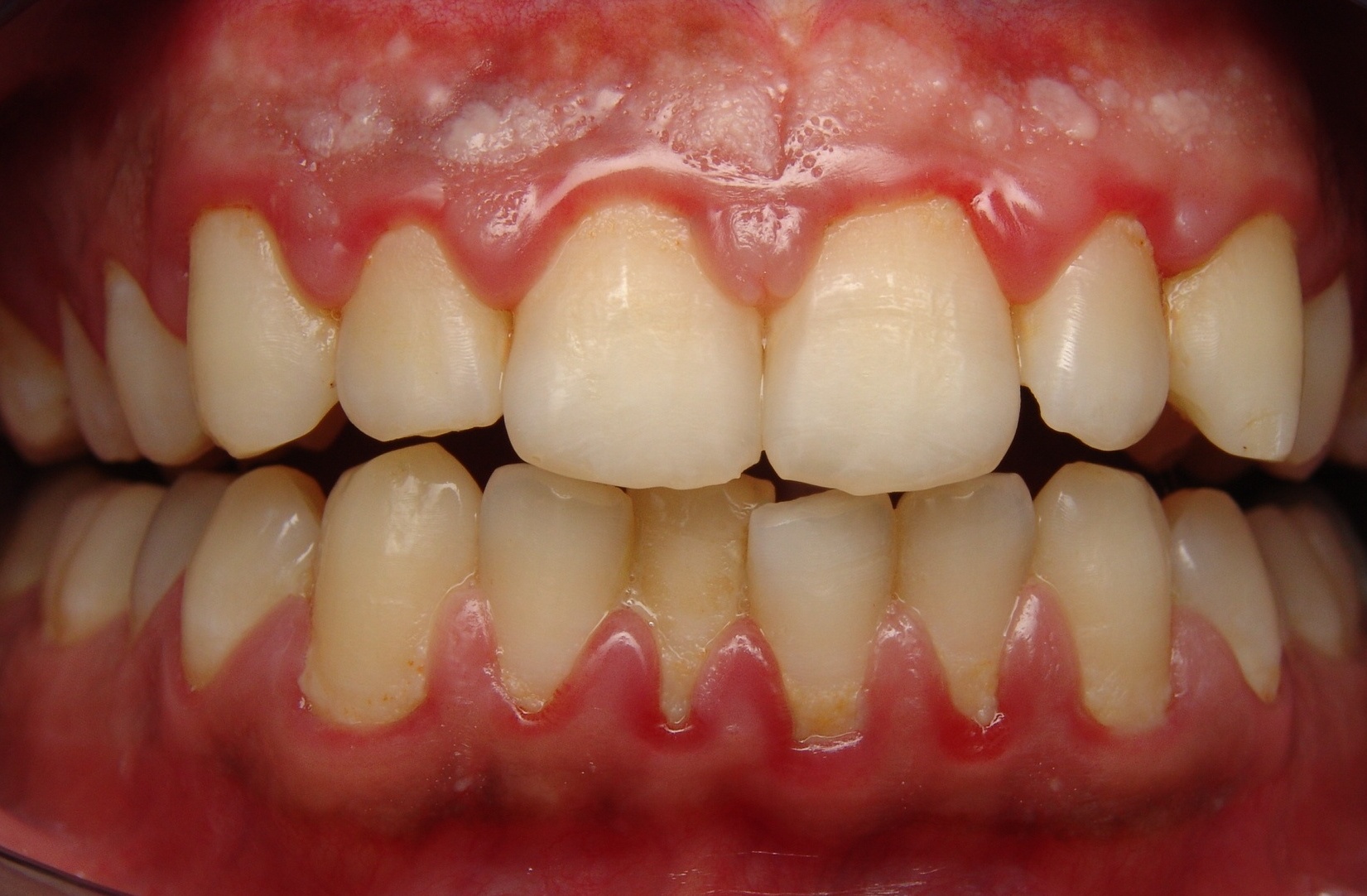
Purple Carrots and Teeth: A Natural Solution for Gum and Tooth Issues
The quest for optimal oral health often leads individuals to explore various methods beyond conventional dentistry. While professional care remains paramount, the incorporation of natural remedies, such as those derived from nutrient-rich foods, can contribute significantly to maintaining healthy gums and teeth. This article delves into the potential benefits of purple carrots, a vibrant root vegetable packed with bioactive compounds, in addressing common oral health concerns. While not a replacement for professional dental care, the evidence suggests a potential supplementary role for purple carrots in supporting oral hygiene.
Understanding the Oral Microbiome and its Impact on Health
The oral cavity harbors a complex and dynamic ecosystem known as the oral microbiome. This community of microorganisms, including bacteria, fungi, and viruses, plays a crucial role in maintaining oral health. A balanced microbiome contributes to the integrity of the tooth enamel, gingival tissue, and overall oral mucosal health. However, an imbalance, or dysbiosis, in the oral microbiome can lead to a cascade of detrimental effects, culminating in various oral diseases.
The Role of Bacteria in Oral Diseases
Certain bacteria within the oral microbiome are particularly implicated in the development of dental caries (tooth decay) and periodontal diseases (gum diseases). Streptococcus mutans, for example, is a key player in the initiation of dental caries, producing acids that erode tooth enamel. Similarly, Porphyromonas gingivalis and other anaerobic bacteria are strongly associated with the progression of periodontal diseases, leading to inflammation, gum recession, and ultimately, tooth loss. These bacteria thrive in environments with high levels of sugar and plaque accumulation.
The Importance of Antioxidants in Oral Health
Maintaining a healthy oral microbiome involves managing the inflammatory response and combating oxidative stress. Oxidative stress, a condition characterized by an imbalance between the production of reactive oxygen species (ROS) and the body's ability to neutralize them, contributes significantly to the pathogenesis of periodontal disease. Antioxidants, substances that neutralize ROS, play a crucial role in mitigating oxidative stress and reducing inflammation.
Purple Carrots: A Rich Source of Bioactive Compounds
Purple carrots, a naturally occurring variant of the common carrot (Daucus carota), stand out for their exceptional nutritional profile. Unlike their orange counterparts, purple carrots owe their distinctive color to a high concentration of anthocyanins, a group of potent antioxidant pigments belonging to the flavonoid family. These anthocyanins are responsible for the array of health benefits associated with purple carrots, including their potential positive effects on oral health.
Anthocyanins and their Antibacterial Properties
Studies have demonstrated the antibacterial activity of anthocyanins against various oral pathogens. These compounds can inhibit the growth and metabolic activity of bacteria like Streptococcus mutans and Porphyromonas gingivalis, contributing to a reduction in plaque formation and the prevention of oral infections. The mechanism of action often involves disruption of bacterial cell membranes and interference with bacterial enzyme activity.
Anti-inflammatory Effects of Anthocyanins
Beyond their antibacterial properties, anthocyanins exhibit potent anti-inflammatory effects. They can modulate inflammatory pathways, reducing the production of pro-inflammatory cytokines that contribute to gum inflammation and periodontal disease. This anti-inflammatory action helps to maintain the health of the gingival tissues and prevent the progression of periodontal disease.
Potential Benefits of Purple Carrots for Oral Health
The combined antibacterial and anti-inflammatory properties of the anthocyanins in purple carrots suggest several potential benefits for oral health:
- Reduced Plaque Formation: The antibacterial activity of anthocyanins may contribute to a decrease in plaque accumulation, a major factor in the development of dental caries and periodontal disease.
- Prevention of Gingivitis: The anti-inflammatory effects of anthocyanins can help to prevent or manage gingivitis, the initial stage of periodontal disease, characterized by gum inflammation and bleeding.
- Improved Periodontal Health: By reducing inflammation and inhibiting the growth of pathogenic bacteria, purple carrots may support the maintenance of healthy periodontal tissues and prevent the progression of periodontal disease.
- Enhanced Oral Hygiene: Consuming purple carrots can contribute to overall oral health by providing a natural source of antioxidants and antibacterial compounds.
Incorporating Purple Carrots into an Oral Health Routine
While purple carrots are not a substitute for regular brushing, flossing, and professional dental checkups, they can be a valuable addition to a comprehensive oral health regimen. Consider these suggestions for incorporating purple carrots into your diet:
- Raw Consumption: Eating raw purple carrots promotes thorough chewing, stimulating saliva production and mechanically cleaning teeth.
- Juicing: Purple carrot juice can be a refreshing and convenient way to consume this nutrient-rich vegetable.
- Smoothies: Blend purple carrots with other fruits and vegetables to create a delicious and nutritious smoothie.
- Cooking: While some nutritional benefits may be lost during cooking, purple carrots can be incorporated into various cooked dishes.
Further Research and Considerations
While the existing evidence suggests promising potential benefits, further research is warranted to fully elucidate the effects of purple carrots on oral health. Controlled clinical trials are needed to confirm the efficacy of purple carrots in preventing and treating specific oral diseases. Moreover, individual responses to dietary interventions can vary, and it's essential to consult with a dentist or healthcare professional before making significant changes to your diet, especially if you have pre-existing oral health conditions.
In conclusion, purple carrots, rich in anthocyanins, offer a natural source of antibacterial and anti-inflammatory compounds that may contribute to improved oral health. While not a standalone solution, incorporating purple carrots into a balanced diet and comprehensive oral hygiene routine may play a supportive role in maintaining healthy gums and teeth. Remember that professional dental care remains crucial for optimal oral health.
Effective Tips to Treat Inflamed Gums and Stop Bleeding Fast

So, Your Gums Are Bleeding? Let's Get This Sorted!
Okay, let's be honest, nobody *likes* bleeding gums. It's not only unpleasant, but it's also a sign that something's not quite right in your mouth. Inflamed gums, also known as gingivitis, are a common problem, and often the culprit behind that annoying bleeding. But don't panic! This isn't the end of the world. With the right approach, you can get this under control and get back to a healthy, happy smile. This guide will walk you through some effective tips to treat inflamed gums and stop the bleeding, fast (well, relatively fast!).
Understanding the Root of the Problem: Why are my Gums Bleeding?
Before we dive into solutions, let's quickly chat about what causes bleeding gums. The most common culprit is gum disease, which starts with gingivitis â€" inflammation of the gums. This usually happens because of a buildup of plaque, that sticky film of bacteria that forms on your teeth. If you don't brush and floss regularly, plaque hardens into tartar (calculus), which is much harder to remove. This tartar irritates your gums, leading to inflammation, redness, swelling, and â€" you guessed it â€" bleeding.
Other potential causes can include:
- Aggressive brushing: Ironically, brushing too hard can actually damage your gums!
- Hormonal changes: Pregnancy and puberty can make gums more sensitive and prone to bleeding.
- Certain medications: Some medications can have a side effect of causing gum inflammation.
- Vitamin deficiencies: A lack of certain vitamins can weaken your gums.
- Underlying medical conditions: In rare cases, bleeding gums could be a symptom of a more serious medical condition.
If you're experiencing persistent bleeding or severe gum inflammation, it's crucial to see a dentist. They can properly diagnose the issue and recommend the best course of action.
First Aid for Bleeding Gums: Quick Relief Strategies
So, your gums are bleeding right now. What do you do? Here are some immediate steps you can take to help stop the bleeding and soothe the inflammation:
Gentle Brushing and Flossing
I know it sounds counterintuitive when your gums are already irritated, but gentle brushing and flossing are actually crucial. Use a soft-bristled toothbrush and be extremely gentle. Focus on removing any visible food particles and plaque. Don't scrub aggressively! Use a fluoride toothpaste as fluoride helps strengthen your teeth and gums.
Saltwater Rinse
A saltwater rinse is a classic remedy for a reason. It's incredibly effective at cleaning and soothing inflamed gums. Simply mix 1/2 to 3/4 teaspoon of salt in a glass of warm water and swish it around your mouth for about 30 seconds, then spit it out. Repeat several times a day.
Ice Pack
Applying a cold compress or ice pack wrapped in a thin cloth to the affected area can help reduce swelling and numb the pain. Do this for 10-15 minutes at a time, several times a day.
Avoid Irritants
Give your gums a break from anything that might further irritate them. This includes hot foods, spicy foods, acidic drinks, and alcohol. Stick to bland, soft foods for a while.
Long-Term Solutions for Healthy Gums
Stopping the bleeding is great, but the real goal is to prevent it from happening again. This means adopting good oral hygiene habits and addressing any underlying issues.
Improve Your Brushing Technique
Are you brushing too hard? Many people are! Use gentle, circular motions, focusing on the gum line. Brush for at least two minutes, twice a day, using a soft-bristled toothbrush. Consider an electric toothbrush; they're often better at removing plaque.
Master the Art of Flossing
Flossing is just as important as brushing. It removes plaque and food particles from between your teeth, where your toothbrush can't reach. Use gentle, curving motions to avoid damaging your gums.
Regular Dental Checkups
See your dentist for regular checkups and cleanings. Professional cleanings remove tartar buildup that you can't remove at home. Early detection and treatment of gum disease are key to preventing more serious problems.
Consider a Therapeutic Mouthwash
Your dentist might recommend a therapeutic mouthwash to help control plaque and bacteria. These mouthwashes often contain ingredients like chlorhexidine or essential oils.
Dietary Changes
A healthy diet plays a significant role in overall health, including oral health. Make sure you're getting enough vitamins and minerals that support healthy gums, such as Vitamin C. Limit sugary foods and drinks, as they contribute to plaque buildup.
Manage Underlying Conditions
If you suspect an underlying medical condition might be contributing to your bleeding gums, talk to your doctor. They can help you manage the condition and potentially reduce gum inflammation.
When to See a Dentist (Seriously!)
While home remedies can help with mild cases of bleeding gums, it's essential to see a dentist if:
- Bleeding persists for more than a few days despite home care.
- Your gums are severely swollen, red, or painful.
- You notice pus or bad breath.
- Your teeth feel loose.
- You have any concerns about your gum health.
Don't delay seeking professional help. Early intervention is key to preventing more serious gum disease and preserving your oral health.
Commonly Asked Questions
Q: How long does it take for bleeding gums to stop?
A: For mild cases, bleeding should stop within a few days of implementing good oral hygiene practices. If bleeding persists, see your dentist.
Q: Can I use hydrogen peroxide to rinse my mouth?
A: While hydrogen peroxide has some antiseptic properties, it's not recommended for regular use as a mouth rinse. It can irritate your gums and damage the tissues. Use it sparingly and only if recommended by your dentist.
Q: Are bleeding gums always a sign of gum disease?
A: Not always. While gum disease is a common cause, other factors like aggressive brushing or hormonal changes can also lead to bleeding gums.
Q: What's the difference between gingivitis and periodontitis?
A: Gingivitis is the early stage of gum disease, characterized by inflammation of the gums. Periodontitis is a more advanced stage where the gums pull away from the teeth, causing bone and tissue loss.
Q: Can I prevent bleeding gums?
A: Absolutely! Practicing good oral hygiene (brushing twice daily, flossing daily), maintaining a healthy diet, and visiting your dentist regularly are crucial for preventing bleeding gums.
Remember, taking care of your gums is an investment in your overall health. Don't hesitate to reach out to your dentist if you have any concerns!
The Best Practices for Using Supplements in Oral Hygiene

Unlocking a Sparkling Smile: The Best Practices for Using Supplements in Oral Hygiene
Hey there! Let's talk about something super important: your smile! We all know brushing and flossing are essential, but did you know that supplements can give your oral health an extra boost? Now, before you go rushing off to buy every bottle on the shelf, let's navigate this world of oral health supplements together. This guide is all about making informed choices and maximizing the benefits for a healthier, happier mouth.Understanding the Role of Supplements in Oral Hygiene
Look, let's be real: supplements aren't magic bullets. They're not a replacement for good old-fashioned brushing and flossing. Think of them more as supportive players on your oral health team. They can help fill in nutritional gaps, address specific concerns, or enhance the effects of your regular routine. But they're most effective when paired with a solid foundation of good habits.
What Kinds of Supplements are Out There?
The world of oral health supplements can seem a bit overwhelming, but it mostly boils down to a few key players:
- Vitamin D: Plays a crucial role in calcium absorption, which is vital for strong teeth and bones. Deficiency can increase the risk of gum disease and tooth decay.
- Vitamin K2: Works synergistically with vitamin D, helping direct calcium to the bones and teeth, leaving less calcium for plaque build-up.
- Calcium: Essential for building and maintaining strong tooth enamel. A deficiency can weaken teeth and make them more susceptible to cavities.
- Collagen: A protein that's a major component of gums and connective tissues in the mouth. Supplementation can help improve gum health and potentially reduce the risk of gum disease.
- Xylitol: A natural sweetener that inhibits the growth of bacteria that cause cavities. It's often found in sugar-free gum and mints, but also available in supplement form.
- Probiotics: These beneficial bacteria can help restore the balance of microorganisms in your mouth, potentially improving gum health and reducing inflammation.
- Omega-3 Fatty Acids: Known for their anti-inflammatory properties, omega-3s can help reduce inflammation in the gums and support overall oral health.
Choosing the Right Supplements for You
Picking the right supplements isn't a one-size-fits-all situation. It's important to consider your individual needs and any existing health conditions. Always consult your dentist or doctor before starting any new supplement regimen, especially if you're taking other medications. They can help assess your individual needs and advise on appropriate dosages.
Considering Your Diet First
Before reaching for supplements, take a good look at your diet. Are you getting enough calcium, vitamin D, and other essential nutrients through your food? A balanced diet is often the best way to support overall health, including oral health. Supplements should ideally fill in any nutritional gaps, not replace a healthy diet.
Reading Labels Carefully
Pay close attention to the labels of any supplements you consider. Look for reputable brands that undergo third-party testing to ensure purity and potency. Check the ingredients list to avoid any potential allergens or interactions with other medications.
Starting Slowly and Monitoring for Effects
When you start a new supplement, begin with a low dose and gradually increase it as directed. Pay close attention to how your body reacts. If you experience any adverse effects, stop taking the supplement and consult your doctor or dentist.
Integrating Supplements into Your Oral Hygiene Routine
Supplements work best when they're part of a comprehensive oral hygiene plan. Think of it like this: supplements are the icing on the cake, but the cake itself is still brushing, flossing, and regular dental checkups.
The Importance of Brushing and Flossing
Let's not forget the basics! Brushing twice a day for at least two minutes each time, and flossing once a day, remains the cornerstone of good oral hygiene. No amount of supplements can replace the effectiveness of proper brushing and flossing.
Regular Dental Checkups
Regular checkups and cleanings with your dentist are crucial. They can catch problems early, provide professional cleaning, and offer personalized advice on maintaining optimal oral health. Your dentist can also help you determine if supplements are right for you.
Combining Supplements Strategically
Some supplements work better together. For instance, vitamin D and K2 are a powerful combination for bone and tooth health. However, always consult your dentist or doctor before combining supplements to avoid potential interactions or unintended consequences.
Potential Side Effects and Precautions
While generally safe, supplements can sometimes cause side effects. These can vary depending on the supplement and the individual. Some common side effects might include digestive upset, headaches, or allergic reactions. If you experience any unusual symptoms, stop taking the supplement and seek medical advice immediately.
It's especially important to be cautious if you have any pre-existing health conditions, such as kidney disease or bleeding disorders. Certain supplements might interact negatively with other medications you're taking. Your doctor or dentist can help you determine if any supplements are safe for you to use, given your individual health circumstances.
Commonly Asked Questions
Here are some of the most frequently asked questions about using supplements for oral hygiene:
- Q: Can supplements cure gum disease? A: No, supplements cannot cure gum disease. They can support gum health and reduce inflammation, but they are not a replacement for professional treatment from a dentist or periodontist.
- Q: How long does it take to see results from oral health supplements? A: Results can vary depending on the supplement and individual factors. You might not see immediate changes, but with consistent use, you might notice improvements in your gum health, tooth strength, or overall oral well-being over time.
- Q: Are all oral health supplements created equal? A: Absolutely not. Look for high-quality brands that have undergone third-party testing to ensure purity and potency. Read reviews and do your research before purchasing.
- Q: Can I take too many oral health supplements? A: Yes, it's possible to take too many supplements. Excessive intake of certain vitamins and minerals can be harmful. Always follow the recommended dosage and consult your doctor or dentist before exceeding it.
- Q: Are oral health supplements expensive? A: The cost varies depending on the supplement and brand. Some are relatively inexpensive, while others can be more costly. Weigh the benefits against the cost and choose supplements that fit within your budget.
Remember, a healthy mouth is a happy mouth! By combining a good oral hygiene routine with informed supplement use, you can give your smile the best possible care. But always remember to consult your dental professional for personalized advice!
Understanding the Connection Between Diet and Gum Sensitivity
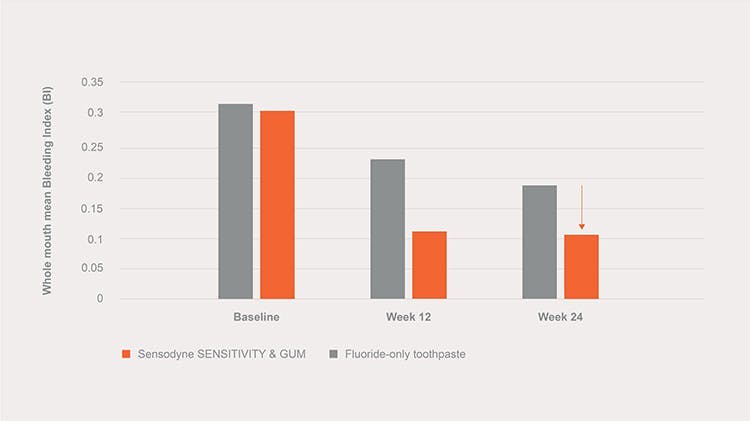
Unlocking the Link Between Diet and Gum Sensitivity
Experiencing that sharp, shooting pain when biting into something cold or hot? You're likely suffering from gum sensitivity, a common dental issue affecting millions. While genetics and poor oral hygiene play significant roles, your diet surprisingly wields considerable power over the health of your gums and, consequently, your sensitivity levels. Understanding this connection empowers you to take control and alleviate discomfort naturally through mindful food choices.
The Role of Diet in Gum Health
Gum sensitivity often stems from receding gums, exposing the dentin â€" the layer beneath the enamel â€" which contains microscopic tubules leading directly to the tooth's nerve. These tubules are incredibly sensitive to temperature changes, pressure, and even sweet or acidic substances. A diet rich in certain foods can accelerate gum recession and exacerbate sensitivity. Conversely, a well-balanced diet can fortify gum tissue and reduce overall sensitivity.
Acidic Foods and Drinks: The Culprits
Acids erode tooth enamel, weakening the teeth and making them more susceptible to sensitivity. This erosion also contributes to gum recession as the protective enamel layer thins. Regular consumption of acidic beverages like sodas, juices (even seemingly healthy ones!), and sports drinks, along with acidic foods like citrus fruits and tomatoes, significantly increases the risk of sensitivity. The constant bombardment of acids attacks both the enamel and the gum tissues, leading to inflammation and eventual recession. Consider limiting your intake of these highly acidic items and rinsing your mouth with plain water afterward to help neutralize the acids.
Sugary Foods: Fueling the Problem
Sugar is a primary culprit behind gum disease (gingivitis and periodontitis). Bacteria in your mouth thrive on sugar, producing acids as a byproduct. This acidic environment attacks gum tissues, causing inflammation, swelling, and ultimately, gum recession. The resulting gum line retraction exposes the sensitive dentin, leading to heightened sensitivity. Reducing your sugar intake, particularly from processed foods, candies, and sugary drinks, is crucial for maintaining healthy gums and minimizing sensitivity.
Dietary Strategies for Reducing Gum Sensitivity
While avoiding certain foods is important, incorporating others actively promotes gum health and reduces sensitivity. A proactive approach to nutrition can significantly improve your oral health.
Foods that Support Gum Health
A diet rich in the following promotes strong gums and reduces inflammation:
- Calcium-rich foods: Dairy products, leafy greens, and fortified foods strengthen tooth enamel and support overall bone health, indirectly helping gum health.
- Vitamin C-rich foods: Citrus fruits (in moderation due to acidity), berries, and peppers aid in collagen production, crucial for healthy gums.
- Vitamin D-rich foods: Fatty fish, egg yolks, and fortified foods support calcium absorption, benefitting both teeth and gums.
- Fiber-rich foods: Fruits, vegetables, and whole grains stimulate saliva production, which helps neutralize acids and cleanse the mouth.
Remember, maintaining optimal oral hygieneâ€"brushing twice daily, flossing regularly, and visiting your dentist for regular checkupsâ€"remains paramount. However, integrating a diet conscious of these factors significantly strengthens your defense against gum sensitivity and promotes overall oral well-being. By actively managing your diet, you can effectively combat sensitivity and maintain a healthy, happy smile for years to come.
How to Use Natural Probiotics for a Healthier Digestive System

Harnessing the Power of Natural Probiotics for Digestive Health
The human gut microbiome, a complex ecosystem of microorganisms residing within the gastrointestinal tract, plays a pivotal role in overall health and well-being. A balanced microbiome, rich in beneficial bacteria, is crucial for optimal digestive function, immune response, and nutrient absorption. While synthetic probiotic supplements are readily available, exploring natural sources of probiotics offers a holistic and often more effective approach to cultivating a healthy digestive system.
Understanding the Role of Probiotics in Digestive Health
Probiotics, defined as live microorganisms that confer a health benefit on the host when administered in adequate amounts, are essential for maintaining gut homeostasis. These beneficial bacteria compete with pathogenic (disease-causing) microorganisms for resources and space, preventing their colonization and proliferation. This competitive exclusion is a key mechanism by which probiotics contribute to digestive health.
Mechanisms of Action
The beneficial effects of probiotics on the digestive system are multifaceted. They include:
- Improved digestion and nutrient absorption: Probiotics aid in the breakdown of complex carbohydrates and enhance the absorption of essential nutrients.
- Enhanced intestinal barrier function: They strengthen the intestinal lining, reducing intestinal permeability ("leaky gut") and preventing the passage of harmful substances into the bloodstream.
- Regulation of gut motility: Probiotics can influence bowel movements, alleviating constipation or diarrhea.
- Production of beneficial metabolites: They produce short-chain fatty acids (SCFAs) like butyrate, which nourish the intestinal cells and have anti-inflammatory properties.
- Modulation of the immune system: Probiotics interact with the immune system, promoting a balanced immune response and reducing inflammation.
Disruptions to the gut microbiome, caused by factors such as antibiotic use, poor diet, stress, and infections, can lead to an imbalance known as dysbiosis. This imbalance can manifest in various digestive disorders, including irritable bowel syndrome (IBS), inflammatory bowel disease (IBD), and other gastrointestinal issues. The strategic introduction of natural probiotics can help restore the balance and alleviate these symptoms.
Natural Sources of Probiotics: A Comprehensive Guide
Unlike processed probiotic supplements, natural sources offer a broader spectrum of beneficial bacteria and other beneficial compounds that synergistically contribute to gut health. These natural sources are often richer in prebiotics, non-digestible food ingredients that promote the growth of beneficial bacteria, further enhancing the probiotic effect.
Fermented Foods: The Cornerstone of Natural Probiotic Intake
Fermented foods are arguably the most potent natural source of probiotics. The fermentation process, involving the action of beneficial bacteria on food substrates, creates an environment rich in live microorganisms and beneficial metabolites. Examples of excellent sources include:
- Yogurt (with live and active cultures): Look for yogurts containing Lactobacillus and Bifidobacterium strains.
- Kefir: A fermented milk drink containing a diverse range of beneficial bacteria and yeasts.
- Sauerkraut: Fermented cabbage rich in Lactobacillus species.
- Kimchi: A spicy Korean fermented cabbage dish with a unique microbial profile.
- Kombucha: A fermented tea drink containing various bacteria and yeasts.
- Miso: A fermented soybean paste used in Japanese cuisine.
- Tempeh: A fermented soybean product with a high protein content and beneficial bacteria.
It is crucial to select unpasteurized or minimally processed versions of these foods to ensure the viability of the beneficial bacteria. Pasteurization, while ensuring safety, also eliminates many of the live microorganisms.
Beyond Fermented Foods: Other Natural Probiotic Sources
While fermented foods are the primary source, some other foods may contain beneficial bacteria, albeit in lower concentrations:
- Bananas: Contain beneficial bacteria, though in lower quantities than fermented foods.
- Onions and garlic: Contain prebiotics that can support the growth of beneficial gut bacteria.
- Dark chocolate (high cacao): Contains polyphenols which support gut microbial diversity.
It's important to remember that the probiotic content of these foods can vary based on factors such as growing conditions, processing methods, and storage.
Optimizing the Use of Natural Probiotics for Enhanced Digestive Health
To maximize the benefits of natural probiotics, consider the following strategies:
Dietary Considerations
A diverse diet is paramount. Include a wide variety of fermented foods to obtain a broad spectrum of beneficial bacteria. A diet rich in fiber supports the growth of these bacteria and helps maintain a healthy gut microbiome. Reduce or eliminate processed foods, added sugars, and unhealthy fats, as these can negatively impact gut health.
Gradual Introduction and Monitoring
Introduce new fermented foods gradually to avoid digestive discomfort. Some individuals might experience initial bloating or gas as their gut microbiome adjusts to the new bacteria. Pay attention to your body's response and adjust your intake accordingly. If symptoms persist or worsen, consult a healthcare professional.
Storage and Handling
Proper storage is crucial to maintain the viability of probiotics. Store fermented foods as recommended on the packaging and avoid prolonged exposure to heat or light. Refrigeration is usually necessary to preserve the beneficial bacteria.
Seeking Professional Guidance
While natural probiotics are generally safe, it's always advisable to consult a healthcare professional or registered dietitian, particularly if you have pre-existing digestive conditions or are taking medications. They can provide personalized recommendations based on your individual health needs and help you choose the most suitable natural probiotic sources.
In conclusion, integrating natural probiotic sources into your diet offers a safe and effective way to support digestive health and overall well-being. By embracing a diverse diet rich in fermented foods and adhering to proper handling practices, you can harness the remarkable power of these beneficial microorganisms to cultivate a thriving gut microbiome.
How to Treat Inflamed Gums Naturally with Proven Solutions

How to Treat Inflamed Gums Naturally with Proven Solutions
Hey there! So, you're dealing with inflamed gums, huh? That's no fun. Swollen, red, maybe even bleeding gums â€" it's uncomfortable and a clear sign that something's not quite right. Before we dive in, let me be clear: I'm not a dentist, and this information isn't a replacement for professional dental care. If you're experiencing severe gum inflammation, pain, or any other concerning symptoms, you absolutely need to see a dentist. This article is all about exploring some natural ways to soothe inflammation and support healthy gums, but it's important to get professional help when necessary.Understanding Gum Inflammation (Gingivitis)
Inflamed gums, medically known as gingivitis, usually happen because of plaque buildup. Plaque is that sticky film of bacteria that constantly forms on your teeth. If you don't remove it through regular brushing and flossing, the bacteria irritate your gums, leading to inflammation. It's the body's natural response to infection, manifesting as redness, swelling, and sometimes bleeding. If left untreated, gingivitis can progress to periodontitis, a more serious condition that can damage the bone and tissue supporting your teeth. Scary, right? That's why prevention and early intervention are key!
Natural Remedies for Inflamed Gums
Now, let's talk about some natural approaches you can try to ease the discomfort and promote healing. Remember, these are supportive measures and not a replacement for professional dental care.
1. The Power of Saltwater Rinses
This is a classic remedy for a reason! Saltwater possesses amazing antiseptic properties. It helps reduce inflammation and kills bacteria. Simply mix 1/2 to 3/4 teaspoon of salt in 8 ounces of warm water, swish it around your mouth for about 30 seconds, and then spit it out. Do this a few times a day, especially after brushing.
2. Aloe Vera: Nature's Soothing Agent
Aloe vera is renowned for its anti-inflammatory and antibacterial properties. You can use pure aloe vera gel directly on your gums. Just make sure you're using a product that's 100% aloe vera and doesn't contain added ingredients that could irritate your gums further. Gently massage a small amount onto your gums a couple of times a day.
3. The Magic of Tea Tree Oil (Use with Caution!)
Tea tree oil is a powerful natural antiseptic. However, it's crucial to dilute it before applying it to your gums because it can be quite strong. Mix a few drops of tea tree oil with a carrier oil like coconut oil or olive oil. Use a cotton swab to gently apply the diluted mixture to the affected areas. Don't swallow it! And do a patch test on a small area of your skin first to check for any allergic reactions.
4. The Benefits of Turmeric
Turmeric, known for its active compound curcumin, has potent anti-inflammatory effects. You can make a turmeric paste by mixing turmeric powder with a little bit of water to form a paste. Gently apply this paste to your gums and leave it on for a few minutes before rinsing it off. You can also add turmeric to your diet - it's a great addition to curries and other dishes!
5. Improving Your Oral Hygiene Routine
This might seem obvious, but let's face it, sometimes we slack on our oral hygiene. Good oral hygiene is crucial for preventing and treating gum inflammation. This includes:
- Brushing your teeth twice a day with fluoride toothpaste for at least two minutes each time.
- Flossing at least once a day to remove plaque and food particles from between your teeth.
- Using a soft-bristled toothbrush to avoid irritating your gums.
- Using an antimicrobial mouthwash to help kill bacteria.
6. Dietary Changes for Healthier Gums
What you eat plays a significant role in your overall health, including the health of your gums. Focus on a diet rich in fruits, vegetables, and whole grains. These foods are packed with nutrients that support healthy gums and boost your immune system.
7. Staying Hydrated
Drinking plenty of water throughout the day helps wash away food particles and bacteria from your mouth, reducing the risk of plaque buildup and gum inflammation.
When to See a Dentist
While these natural remedies can help soothe inflammation, it's essential to remember that they are not a cure for gingivitis or periodontitis. You should see a dentist if:
- Your gums bleed frequently.
- Your gums are severely swollen or painful.
- You have persistent bad breath.
- Your teeth feel loose.
- You notice any changes in the way your teeth fit together.
Early diagnosis and treatment are crucial to prevent the progression of gum disease. Your dentist can provide a proper diagnosis, recommend a treatment plan, and help you maintain good oral hygiene.
Commonly Asked Questions
Q: How long does it take for inflamed gums to heal naturally?
A: It depends on the severity of the inflammation and how diligently you follow a good oral hygiene routine and any recommended treatments. Minor inflammation might improve within a week or two with consistent care. More severe cases might require professional intervention and longer healing times.
Q: Can I use these natural remedies alongside prescribed dental treatments?
A: It's always best to discuss using any natural remedies with your dentist before combining them with prescribed treatments. They can advise on whether it's safe and appropriate for your specific situation.
Q: Are there any risks associated with these natural remedies?
A: While generally safe, some individuals might experience allergic reactions to certain ingredients, such as tea tree oil. Always perform a patch test before applying anything new to your gums. Additionally, using tea tree oil undiluted can be harmful. Follow the instructions carefully.
Q: What's the difference between gingivitis and periodontitis?
A: Gingivitis is the early stage of gum disease, characterized by inflamed gums. Periodontitis is a more advanced stage where the inflammation spreads to the supporting structures of the teeth, potentially leading to bone loss and tooth loss if left untreated.
Remember, taking care of your gums is an investment in your overall health. By combining good oral hygiene practices with these natural remedies (and always under the guidance of your dentist), you can significantly improve your gum health and enjoy a brighter, healthier smile!
The Benefits of Eating Crunchy Fruits and Veggies for Oral Care

Crunch Your Way to a Healthier Smile: The Oral Care Benefits of Crunchy Produce
Hey everyone! Let's talk about something super cool â€" and delicious â€" that can actually help improve your oral health: crunchy fruits and vegetables! We all know brushing and flossing are crucial, but did you know that adding some satisfying crunch to your diet can give your teeth a serious upgrade? It's true! Let's dive into why these nature's powerhouses are so great for your pearly whites.The Science Behind the Crunch: How Crunchy Foods Clean Your Teeth
Think of those crunchy fruits and veggies as tiny, natural toothbrushes! When you bite into an apple, carrot, or celery stick, the fibrous texture acts like a scrubbing pad, gently removing food particles and plaque from the surfaces of your teeth. This mechanical action is incredibly effective at preventing the buildup of sticky plaque, which is the main culprit behind cavities and gum disease.
Unlike processed snacks that can stick to your teeth and contribute to plaque formation, crunchy foods actually help to dislodge this harmful stuff. The friction created by the chewing process stimulates saliva production. And guess what? Saliva is your mouth's natural defense mechanism! It neutralizes acids, washes away food debris, and contains minerals that help remineralize your tooth enamel, making it stronger and more resistant to decay.
Beyond the Scrubbing: The Added Benefits
The benefits go beyond just the physical scrubbing action. Many crunchy fruits and vegetables are packed with vitamins and minerals that are essential for healthy teeth and gums. For example:
- Vitamin C: Crucial for collagen production, which keeps your gums strong and healthy. Think oranges, bell peppers, and broccoli!
- Vitamin A: Supports the health of your oral mucosa (the lining of your mouth) and helps prevent gum disease. Sweet potatoes and carrots are great sources.
- Calcium and Phosphorus: Essential building blocks for strong tooth enamel. Think leafy greens, almonds (while not technically a fruit or veggie, they're crunchy!), and dairy products (like yogurt).
So, you're not only cleaning your teeth mechanically, but you're also nourishing them from the inside out with essential nutrients!
The Crunchy Crew: Your Top Picks for Oral Health
Now, let's talk specifics! What are some of the best crunchy fruits and vegetables to incorporate into your diet for optimal oral health? The list is long and delicious!
- Apples: A classic for a reason! The firm texture and slightly acidic nature help to naturally clean your teeth.
- Carrots: A crunchy powerhouse packed with Vitamin A, perfect for snacking or adding to salads.
- Celery: High in water content and fiber, celery acts like a natural toothbrush, scrubbing away food particles.
- Cucumber: Refreshing and hydrating, cucumber is a great addition to any meal or snack.
- Bell Peppers: Crisp and packed with Vitamin C, these add a colorful crunch to your meals.
- Broccoli: A nutritional superstar, broccoli's firm florets provide a satisfying crunch and beneficial nutrients.
- Pear: Another great option for its texture and water content, but remember to rinse your mouth well after consuming them due to their slightly higher sugar content.
Important Considerations: Not All Crunch is Created Equal
While crunchy fruits and vegetables are fantastic for your teeth, it's important to remember a few things:
- Moderation is key: While these foods are beneficial, they shouldn't replace brushing and flossing. Think of them as a helpful addition to your oral hygiene routine, not a replacement.
- Sticky fruits: Some fruits, like raisins and dried cranberries, are sticky and can actually contribute to plaque buildup. Enjoy them in moderation.
- Acidity: While some acidity can be beneficial, excessively acidic fruits (like lemons or oranges) can erode enamel over time if consumed in large quantities. Rinse your mouth with water after consuming them.
- Sugar Content: While many crunchy fruits are great, be mindful of their sugar content. It is still crucial to brush your teeth after consuming these fruits and vegetables.
Incorporating Crunchy Foods into Your Daily Routine
Adding crunchy fruits and vegetables to your diet doesn't have to be a chore. Here are some fun and easy ways to incorporate them:
- Snack time: Keep a bowl of carrots, celery, or apple slices readily available for a healthy and satisfying snack.
- Salads: Add some crunch with bell peppers, cucumbers, or even shredded carrots to your salads.
- Soups and stews: Adding crunchy vegetables like broccoli or green beans can add texture and nutrients to your meals.
- Smoothies: While not crunchy in their final form, adding ingredients like spinach or kale provide essential nutrients and fiber that benefit oral health.
Frequently Asked Questions (FAQs)
Q: Can crunchy foods replace brushing and flossing?
A: Absolutely not! Crunchy foods are a fantastic addition to your oral hygiene routine, but they cannot replace the thorough cleaning provided by brushing and flossing at least twice a day. They are supplementary, not a substitute.
Q: What if I have sensitive teeth?
A: If you have sensitive teeth, start slowly and choose softer crunchy options like cucumbers or cooked carrots. Also, be mindful of acidic foods, as they can exacerbate sensitivity.
Q: My kids hate vegetables! How can I get them to eat more crunchy options?
A: Get creative! Cut vegetables into fun shapes, make veggie sticks with dips, or involve them in the preparation process. Making it fun and engaging can encourage them to try new things.
Q: Are there any crunchy foods I should avoid?
A: Hard candies and chips are crunchy, but they're loaded with sugar and can damage your teeth. Avoid these as much as possible. Also, be mindful of overly sticky or acidic crunchy foods, which can be harmful in excess.
So there you have it! By adding some delicious crunch to your diet, you can significantly improve your oral health. Remember to combine this with regular brushing, flossing, and dental checkups for a winning combination for a healthy, happy smile!
The Role of Xylitol in Promoting Stronger, Healthier Teeth

The Role of Xylitol in Promoting Stronger, Healthier Teeth
Dental caries, commonly known as cavities, represent a significant global health concern, affecting individuals across all age groups. The relentless assault of cariogenic bacteria on tooth enamel necessitates a multifaceted approach to prevention and treatment. While diligent oral hygiene practices remain paramount, advancements in preventative dentistry have highlighted the potential of naturally occurring sugar alcohols, such as xylitol, in bolstering oral health. This article will delve into the multifaceted mechanisms through which xylitol contributes to stronger, healthier teeth, exploring its impact on cariogenic bacteria, salivary function, and overall oral microbiome.
Xylitol's Impact on Cariogenic Bacteria
The cornerstone of xylitol's efficacy lies in its unique interaction with Streptococcus mutans (S. mutans), the primary bacterium responsible for dental caries. Unlike sucrose, which provides readily available energy for S. mutans to produce lactic acidâ€"the culprit behind enamel demineralizationâ€"xylitol inhibits this process through several mechanisms:
Inhibition of Bacterial Metabolism
S. mutans actively transports xylitol into its cells, mistaking it for a metabolizable sugar. However, the bacterium lacks the necessary enzymes to efficiently metabolize xylitol. This results in a metabolic impasse, preventing the production of lactic acid and thus inhibiting the demineralization of tooth enamel. The bacterium effectively expends energy attempting to metabolize xylitol without any energetic gain, effectively starving the bacteria.
Reduction of Bacterial Adhesion
Beyond metabolic inhibition, xylitol interferes with the adhesion of S. mutans to the tooth surface. S. mutans utilizes extracellular polysaccharides, primarily glucans, to form a biofilmâ€"a sticky matrix that facilitates bacterial colonization and aggregation. Xylitol inhibits the production of these glucans, hindering the formation of biofilms and reducing the bacterial load on the tooth surface. This reduced adhesion makes it more difficult for S. mutans to establish a persistent presence and initiate the caries process.
Antimicrobial Effects
Emerging research suggests that xylitol may possess direct antimicrobial properties against S. mutans and other cariogenic bacteria. While not as potent as traditional antibiotics, xylitol's ability to disrupt bacterial cell membranes and compromise their viability contributes to its overall caries-preventive effects. This mechanism, in combination with metabolic inhibition and reduced adhesion, creates a synergistic effect in suppressing S. mutans populations.
Xylitol's Influence on Salivary Function
Saliva plays a crucial role in maintaining oral health. Its buffering capacity neutralizes acids produced by bacteria, while its remineralizing properties help repair enamel damage. Xylitol positively influences salivary function in several ways:
Stimulation of Salivary Flow
Xylitol acts as a mild salivary stimulant. Increased salivary flow enhances the buffering and cleansing action of saliva, aiding in the removal of cariogenic bacteria and acidic byproducts. This increased flow helps maintain a neutral pH within the oral cavity, creating a less favorable environment for bacterial growth and acid production.
Enhanced Remineralization
Saliva contains minerals, such as calcium and phosphate, essential for remineralizing damaged enamel. Xylitol, by indirectly reducing acid production, creates a more favorable environment for remineralization processes. The reduced acidic challenge allows the salivary minerals to more effectively repair microscopic enamel lesions, thereby strengthening the tooth structure and preventing the progression of caries.
Xylitol's Impact on the Oral Microbiome
The oral cavity harbors a complex ecosystem of microorganisms, collectively known as the oral microbiome. Maintaining a balanced microbiome is crucial for oral health. While xylitol primarily targets S. mutans, its effects extend to the broader oral microbial community.
Shifting the Microbial Balance
By selectively inhibiting the growth of cariogenic bacteria, xylitol contributes to a more favorable microbial balance. This shift allows beneficial bacteria, which contribute to oral health, to thrive. The reduced dominance of S. mutans creates an opportunity for other, non-cariogenic bacteria to flourish, potentially enhancing overall oral health and resilience to caries.
Clinical Evidence and Applications of Xylitol
Extensive clinical research supports the caries-preventive efficacy of xylitol. Numerous studies have demonstrated a significant reduction in dental caries incidence in individuals who regularly consume xylitol-containing products. The effectiveness of xylitol is often observed in both children and adults, underscoring its broad applicability across different age groups.
Various Forms of Xylitol Administration
Xylitol is available in various forms, including chewing gum, mints, lozenges, and toothpastes. The efficacy of xylitol depends on several factors, including the concentration of xylitol, the frequency of consumption, and the duration of exposure. Regular use of xylitol-containing products, especially after meals, can significantly reduce the risk of caries.
Dosage and Recommendations
The optimal dosage of xylitol varies depending on the individual and the specific product. Generally, a total daily intake of 6 to 10 grams of xylitol, divided into several doses throughout the day, is considered effective. It is crucial to consult with a dentist or healthcare professional to determine the appropriate dosage and usage for individual circumstances.
Conclusion
Xylitol stands out as a promising natural compound with significant potential for promoting stronger, healthier teeth. Its multifaceted mechanisms of action, targeting both cariogenic bacteria and salivary function, contribute to a comprehensive caries-preventive strategy. While maintaining optimal oral hygiene practices remains essential, the incorporation of xylitol into a preventative dental regimen can offer substantial benefits in reducing the risk of dental caries and improving overall oral health. Further research continues to explore the full extent of xylitol's potential in maintaining a healthy oral microbiome and preventing various oral diseases.
Disclaimer: This article provides general information and should not be considered as medical advice. Consult with a dental professional for personalized recommendations regarding the use of xylitol and other preventative dental measures.