Friday, November 22, 2024
How Probiotic Supplements Can Transform Your Oral Hygiene
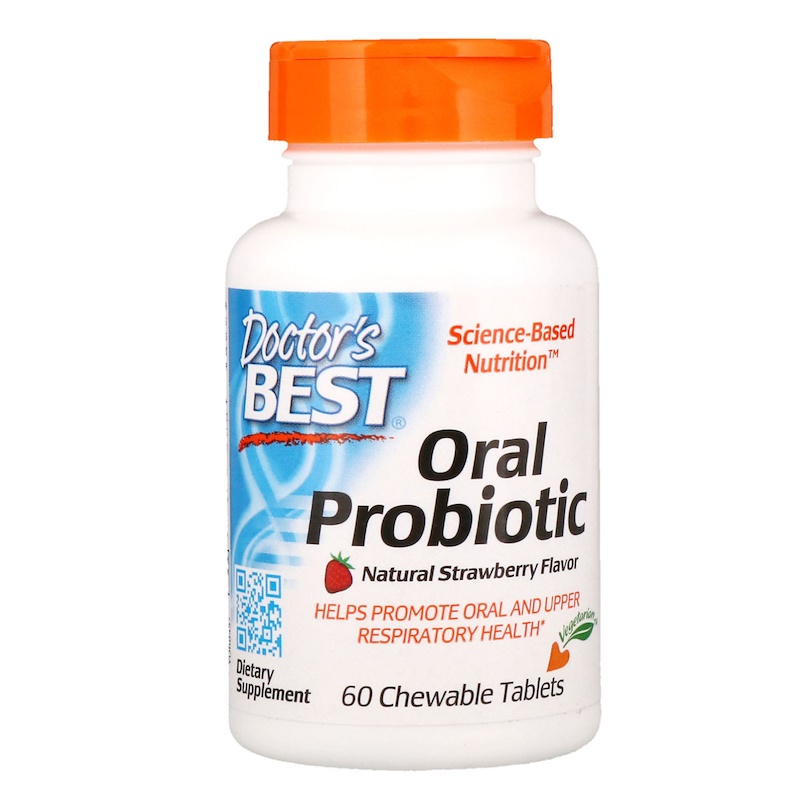
Probiotic Supplements: A Novel Approach to Enhancing Oral Hygiene
Maintaining optimal oral hygiene is paramount for overall health and well-being. While traditional methods such as brushing, flossing, and professional cleanings remain cornerstones of oral care, emerging research highlights the significant potential of probiotic supplements in transforming this landscape. This article delves into the multifaceted ways in which probiotics can contribute to improved oral health, addressing their mechanisms of action, efficacy, and considerations for their use.
The Oral Microbiome: A Complex Ecosystem
The human mouth harbors a diverse and dynamic microbial community, the oral microbiome, comprising bacteria, archaea, fungi, and viruses. This intricate ecosystem plays a crucial role in maintaining oral health. A balanced microbiome, characterized by a diverse array of beneficial microorganisms, contributes to the suppression of pathogenic bacteria and the preservation of tissue integrity. However, dysbiosis, or an imbalance in the microbial community, is often implicated in the development of various oral diseases.
Dysbiosis and Oral Diseases
A shift towards a dominance of pathogenic bacteria, often driven by factors such as poor oral hygiene, diet, and systemic conditions, can lead to a cascade of adverse effects. Dental caries (tooth decay), for instance, arises from the acid production by cariogenic bacteria like Streptococcus mutans. Gingivitis and periodontitis, inflammatory diseases affecting the gums and supporting structures of the teeth, are linked to the overgrowth of periodontal pathogens such as Porphyromonas gingivalis and Aggregatibacter actinomycetemcomitans. Halitosis, or bad breath, also stems from microbial imbalances and the production of volatile sulfur compounds by certain bacteria.
Probiotics: Restoring Microbial Balance
Probiotics, defined as live microorganisms that confer a health benefit on the host when administered in adequate amounts, offer a promising approach to modulating the oral microbiome and preventing or treating oral diseases. By introducing beneficial bacteria into the oral cavity, probiotics can potentially counteract the detrimental effects of pathogenic microorganisms.
Mechanisms of Action
The mechanisms by which probiotics exert their beneficial effects on oral health are multifaceted and complex. These include:
- Competitive exclusion: Probiotic bacteria compete with pathogens for nutrients and attachment sites on the tooth surface and gingival tissues, thereby limiting their colonization and growth.
- Production of antimicrobial substances: Certain probiotic strains produce bacteriocins, hydrogen peroxide, and other antimicrobial compounds that inhibit the growth of pathogenic bacteria.
- Modulation of the immune system: Probiotics can interact with the host immune system, enhancing the immune response against pathogens and reducing inflammation.
- Regulation of pH: Some probiotic strains can neutralize acids produced by cariogenic bacteria, thus mitigating their damaging effects on tooth enamel.
- Enhancement of saliva production: Adequate saliva flow plays a critical role in oral health by washing away food debris and neutralizing acids. Some probiotic strains may stimulate saliva production.
Efficacy and Evidence
While the potential benefits of probiotic supplements for oral health are considerable, the existing evidence base is still developing. Numerous in vitro and in vivo studies have demonstrated the effectiveness of specific probiotic strains in inhibiting the growth of oral pathogens and reducing inflammation. However, larger-scale, randomized controlled trials are needed to confirm these findings and establish the optimal probiotic strains, dosages, and administration methods for various oral conditions.
Challenges and Limitations
Several challenges remain in the application of probiotics for oral health. These include:
- Strain specificity: The efficacy of probiotics is highly strain-specific. Not all probiotic strains are equally effective in modulating the oral microbiome or preventing oral diseases. Careful selection of strains based on their demonstrated efficacy is crucial.
- Delivery method: Effective delivery of probiotic bacteria to the oral cavity can be challenging. The harsh environment of the mouth, with its acidic pH and enzymatic activity, can reduce the viability of probiotics. Different delivery methods, such as lozenges, chewing gums, mouthwashes, and even toothpaste are being explored.
- Dosage and duration: Optimal dosage and duration of probiotic supplementation vary depending on the specific strain and the target condition. Further research is necessary to establish effective regimens for different oral diseases.
- Individual variability: The response to probiotic supplementation can vary significantly among individuals due to differences in their baseline oral microbiome composition, genetic makeup, and overall health status.
Future Directions and Clinical Applications
Despite these challenges, the future of probiotic therapy in oral health appears bright. Ongoing research is focused on:
- Identifying novel probiotic strains: Researchers are actively screening for new probiotic strains with enhanced efficacy and safety profiles.
- Developing novel delivery systems: Advances in drug delivery technology are aimed at improving the stability and bioavailability of probiotic bacteria in the oral cavity.
- Personalized probiotic therapies: Future applications may involve the development of personalized probiotic therapies tailored to the specific needs of individual patients based on their unique oral microbiome profiles.
- Combination therapies: The combined use of probiotics with other therapeutic interventions, such as antimicrobial agents and traditional oral hygiene practices, may enhance treatment efficacy.
In conclusion, probiotic supplements hold considerable promise for enhancing oral hygiene and preventing or treating oral diseases. While further research is needed to fully elucidate their mechanisms of action and optimize their clinical application, the emerging evidence suggests that probiotics may represent a valuable addition to the armamentarium of oral healthcare strategies. The integration of probiotic therapies into conventional oral hygiene practices could pave the way for a more comprehensive and effective approach to maintaining a healthy and balanced oral microbiome throughout life.

Discover the Benefits of Natural Probiotics for Gum Inflammation Relief

Unleashing Nature's Power: Natural Probiotics for Gum Inflammation Relief
Gum inflammation, or gingivitis, is a common dental problem that affects millions. Characterized by red, swollen gums that easily bleed, gingivitis can progress to periodontitis, a severe form of gum disease leading to tooth loss if left untreated. While conventional treatments exist, many are seeking natural alternatives, and the world of probiotics offers a compelling solution. This article explores the benefits of incorporating natural probiotics into your oral hygiene routine to combat gum inflammation and promote overall oral health.
Understanding the Role of Oral Microbiome Imbalance
Your mouth teems with bacteria â€" both beneficial and harmful. A healthy oral microbiome maintains a delicate balance between these populations. However, when harmful bacteria proliferate, they produce toxins that irritate the gums, leading to inflammation. This imbalance can be triggered by various factors, including poor oral hygiene, smoking, certain medications, and even stress. Natural probiotics work by restoring this balance, effectively combating the harmful bacteria responsible for gingivitis.
How Natural Probiotics Combat Gum Inflammation
Natural probiotics, primarily beneficial bacteria like Lactobacillus and Bifidobacterium species, offer a multifaceted approach to managing gum inflammation. They achieve this primarily through these mechanisms:
Competitive Exclusion
Beneficial bacteria compete with harmful bacteria for resources and space within the mouth. By outnumbering the harmful strains, probiotics effectively limit their growth and prevent the production of inflammatory toxins. This creates a less hostile environment for your gums to heal.
Immune System Modulation
Probiotics interact with your immune system, helping to regulate its response to harmful bacteria. They don't simply suppress the immune system; rather, they guide it to target the specific pathogens responsible for gum inflammation while minimizing unnecessary inflammation. This targeted approach promotes healing without compromising the body's defenses.
Production of Antimicrobial Substances
Some probiotic strains produce substances that directly inhibit the growth of harmful bacteria. These antimicrobial compounds, such as bacteriocins, contribute to a reduction in the overall bacterial load in the mouth, further minimizing inflammation and promoting a healthier oral environment.
Incorporating Natural Probiotics into Your Oral Health Routine
There are several ways to introduce natural probiotics into your oral care regimen:
- Probiotic Mouthwashes and Gels: Look for products specifically formulated with strains known for their oral health benefits. These often combine probiotics with other beneficial ingredients.
- Probiotic-Rich Foods: Incorporate fermented foods like yogurt (with live and active cultures), kefir, and sauerkraut into your diet. These provide a broader spectrum of probiotics that can positively influence your gut microbiome, which in turn can impact oral health.
- Probiotic Supplements: Consider consulting a healthcare professional about appropriate probiotic supplements. Choosing a supplement with strains demonstrated to benefit oral health is essential.
Important Note: While natural probiotics offer a promising approach, they are not a standalone cure for gum disease. Maintaining excellent oral hygiene practices â€" brushing twice daily, flossing regularly, and visiting your dentist for regular checkups â€" remains crucial for optimal oral health. Probiotics should be considered a complementary strategy to enhance your existing oral care routine.
By understanding the role of the oral microbiome and harnessing the power of natural probiotics, you can take a proactive approach to maintaining healthy gums and a beautiful smile. Remember to consult with your dentist or healthcare provider before making significant changes to your oral health regimen.
Using Probiotics to Protect Teeth from Sensitivity and Cavities

Harnessing the Power of Probiotics for Stronger, Healthier Teeth
For years, we've focused on brushing, flossing, and regular dental checkups to maintain oral health. But a new frontier in preventative dentistry is emerging: probiotics. These beneficial bacteria, already championed for their gut health benefits, are now showing promising results in protecting teeth from sensitivity and cavities. This article explores the exciting potential of probiotics in revolutionizing oral care and empowering you to take control of your dental wellbeing.
Understanding the Oral Microbiome and its Role in Dental Health
Your mouth teems with a complex ecosystem of bacteria â€" the oral microbiome. This community of microorganisms is a delicate balance; a harmonious mix promotes healthy gums and teeth, while an imbalance, or dysbiosis, can lead to problems. Harmful bacteria produce acids that erode tooth enamel, causing cavities. Similarly, gum disease arises from an overgrowth of harmful bacteria, leading to inflammation and potential tooth loss. Probiotics, essentially "good" bacteria, can help tip the scales back in favor of oral health by competing with, and even inhibiting, the growth of these detrimental species.
How Probiotics Combat Tooth Sensitivity and Cavities
Probiotics work in several ways to protect your teeth. Firstly, they produce substances that neutralize harmful acids produced by cavity-causing bacteria, reducing the risk of enamel erosion. Secondly, they compete for resources and space in the mouth, limiting the harmful bacteria’s ability to colonize and thrive. Thirdly, some probiotics strengthen the enamel itself, making teeth more resistant to acid attacks. This multifaceted approach makes probiotics a potent weapon in the fight against tooth decay and sensitivity.
Targeting Specific Oral Issues with Probiotics
Research indicates that certain probiotic strains show particular promise in tackling specific oral health problems. Lactobacillus rhamnosus, for instance, has demonstrated effectiveness in reducing the severity of gingivitis (gum inflammation). Other strains, like Streptococcus salivarius K12, are being investigated for their ability to prevent the growth of Streptococcus mutans, a major culprit in cavity formation. These targeted approaches suggest a future where personalized probiotic regimens can address individual oral health needs.
Incorporating Probiotics into Your Oral Care Routine
While more research is needed to solidify the exact efficacy and optimal usage of probiotics for oral health, several methods are emerging. These include:
- Probiotic mouthwashes: These deliver beneficial bacteria directly to the oral cavity.
- Probiotic toothpastes: These incorporate probiotic strains into the toothpaste formula.
- Probiotic lozenges or tablets: These offer a convenient way to ingest probiotics that then colonize the mouth.
- Dietary changes: Consuming fermented foods like yogurt (containing live and active cultures) can indirectly support a healthy oral microbiome.
It's crucial to remember that probiotics are a complementary therapy, not a replacement for regular brushing, flossing, and professional dental cleanings. Always consult your dentist before making significant changes to your oral care routine, particularly if you have pre-existing dental conditions.
The Future of Probiotic Dentistry
The potential benefits of using probiotics to enhance oral health are significant. Ongoing research promises to refine our understanding of the specific probiotic strains most effective for different oral conditions and develop more targeted and effective probiotic-based products. The integration of probiotics into preventative dentistry could lead to a future with fewer cavities, less sensitivity, and healthier smiles for all.
Can Cranberries Prevent Tooth Decay? Here’s What You Need to Know
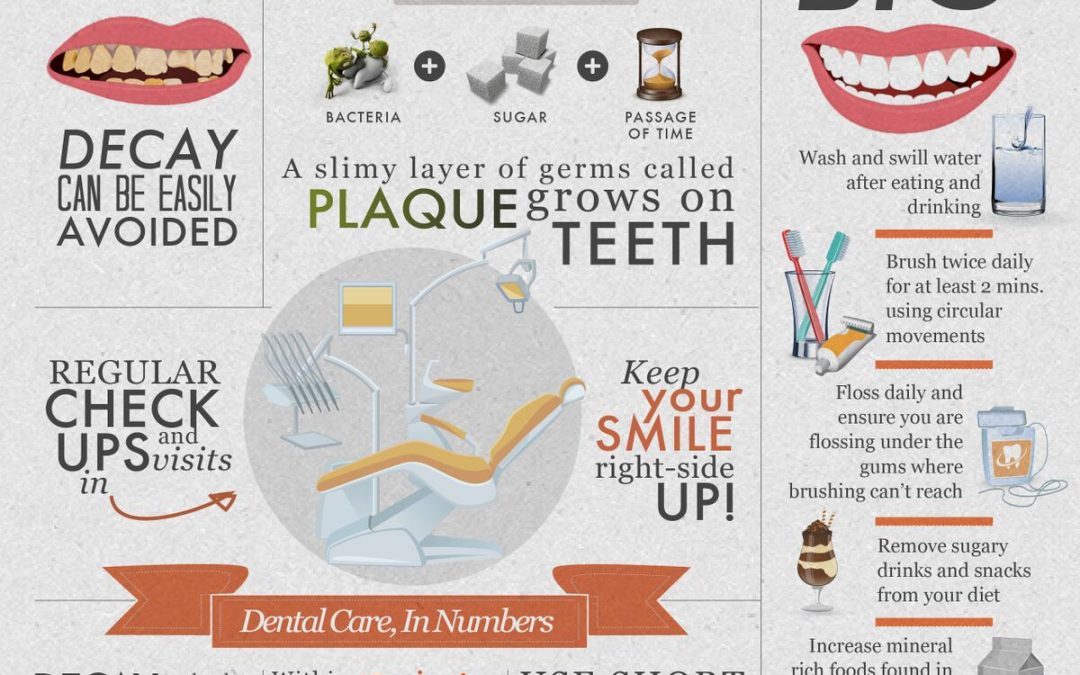
Can Cranberries Prevent Tooth Decay? Here’s What You Need to Know
The notion of cranberries possessing potent tooth-decay-fighting properties has gained significant traction in recent years. While the vibrant red berry is celebrated for its role in urinary tract health, its potential impact on oral hygiene warrants a closer examination. This article delves into the scientific evidence surrounding cranberries and tooth decay, exploring the mechanisms by which they may exert their effects, and ultimately, offering a balanced perspective on their efficacy in preventing and managing this prevalent oral health issue.
The Science Behind Cranberries and Oral Health
The purported benefits of cranberries in preventing tooth decay primarily stem from their rich concentration of proanthocyanidins (PACs). These naturally occurring compounds belong to a class of polyphenols, known for their potent antioxidant and anti-adhesive properties. PACs are believed to play a crucial role in inhibiting the adhesion of bacteria, particularly Streptococcus mutans, the primary culprit in the formation of dental plaque and the subsequent development of caries (tooth decay).
The Role of Streptococcus mutans
Streptococcus mutans thrives on the sugars present in our diets. Through a complex metabolic process, these bacteria convert sugars into acids, leading to a significant drop in the pH of the oral environment. This acidification demineralizes the tooth enamel, creating microscopic lesions that eventually develop into cavities. The adhesion of S. mutans to the tooth surface is a critical first step in this pathogenic process. PACs are thought to interfere with this adhesion, thus hindering the bacteria's ability to colonize and initiate the caries process.
The Mechanism of Action of PACs
PACs' effectiveness lies in their ability to prevent the formation of biofilms. Biofilms are complex communities of microorganisms encased in a self-produced extracellular matrix. This matrix protects the bacteria within, making them more resistant to antimicrobial agents and the host's immune response. PACs are believed to interfere with the formation of this protective matrix, effectively disrupting the biofilm architecture and rendering the bacteria more susceptible to removal by saliva and mechanical cleaning (such as brushing and flossing).
Beyond PACs: Other Contributing Factors
While PACs are the most extensively studied components of cranberries linked to oral health benefits, other compounds present in cranberries may also contribute to their overall effect. These include other polyphenols, vitamins, and minerals that may possess antioxidant or anti-inflammatory properties, further supporting oral health.
Evidence from Scientific Studies
Although the anecdotal evidence surrounding cranberries and tooth decay is compelling, the scientific evidence supporting its definitive role in caries prevention is still evolving. Numerous in vitro studies (conducted in laboratory settings) have demonstrated the inhibitory effects of cranberry extracts on the adhesion of S. mutans and the formation of biofilms. However, translating these findings into clinical trials with human participants presents significant challenges.
In Vitro Studies
In vitro studies have consistently shown promising results, showcasing the significant reduction in bacterial adhesion and biofilm formation when cranberry extracts are introduced. These studies provide a strong foundation for further investigation, but they do not necessarily translate directly to the complexities of the human oral environment.
In Vivo Studies and Clinical Trials
In vivo studies (conducted on living organisms) and human clinical trials are crucial for establishing the efficacy of cranberries in preventing tooth decay. While some studies have shown a potential positive impact on certain oral health parameters, the results have been inconsistent and often lack the rigor and statistical power required to draw definitive conclusions. More robust, large-scale clinical trials are needed to provide a comprehensive understanding of cranberries' role in caries prevention.
Limitations of Existing Research
The existing research on cranberries and tooth decay faces several limitations. These include:
- Variations in cranberry extract preparation and concentration across different studies, making direct comparisons challenging.
- Lack of standardization in methodologies used to assess oral health parameters.
- Limited sample sizes in many clinical trials, reducing statistical power and the generalizability of results.
- Difficulty in isolating the specific effects of cranberries from other dietary and lifestyle factors influencing oral health.
Cranberries: A Complementary Approach, Not a Replacement
While cranberries may offer some benefits in maintaining oral health, it is crucial to understand that they should not be considered a replacement for established preventive measures. Maintaining excellent oral hygiene practices remains paramount in preventing tooth decay. This includes:
- Brushing teeth twice daily with fluoride toothpaste.
- Flossing daily to remove plaque from between teeth.
- Regular dental checkups and professional cleanings.
- Limiting consumption of sugary and acidic foods and beverages.
Cranberry consumption, in the form of juice or other products, can be viewed as a complementary strategy to enhance existing oral hygiene routines. However, it is vital to remember that excessive consumption of cranberry juice can be detrimental due to its high sugar content, potentially increasing the risk of tooth decay. Moderation is key.
Conclusion
The potential of cranberries to contribute to oral health is an area of ongoing research. While promising in vitro studies demonstrate the anti-adhesive properties of cranberry PACs against S. mutans, the evidence from human clinical trials is still insufficient to definitively establish cranberries as a reliable method of preventing tooth decay. Currently, cranberries should be viewed as a potential adjunct to, not a replacement for, established oral hygiene practices. Further high-quality research is necessary to clarify the true extent of cranberries' impact on caries prevention and to provide concrete recommendations for their optimal utilization in maintaining oral health.
Thursday, November 21, 2024
Where to Find Purple Carrots for Healthy, Colorful Meals

Unveiling the Culinary Versatility of Purple Carrots: A Guide to Sourcing and Utilization
The vibrant hue of purple carrots immediately commands attention, a stark contrast to their more commonplace orange counterparts. Beyond their aesthetic appeal, however, lies a nutritional powerhouse brimming with antioxidants and beneficial compounds. This comprehensive guide delves into the unique characteristics of purple carrots, explores their nutritional benefits, and provides a detailed roadmap for locating and incorporating them into a healthy and colorful diet.
The Allure of the Purple Carrot: A Nutritional Deep Dive
Purple carrots, a naturally occurring variation of the Daucus carota species, owe their striking color to anthocyanins, a group of potent antioxidants also found in blueberries, cranberries, and red cabbage. These pigments are not merely responsible for the captivating purple hue; they are also associated with a range of health-promoting properties.
Antioxidant Powerhouse
Anthocyanins act as scavengers of free radicals, unstable molecules that can damage cells and contribute to chronic diseases. Studies suggest that a diet rich in anthocyanins may help reduce the risk of cardiovascular disease, certain types of cancer, and age-related cognitive decline. Purple carrots, therefore, represent a valuable addition to a diet focused on oxidative stress reduction.
Beyond Anthocyanins: A Rich Nutritional Profile
While anthocyanins take center stage, purple carrots also offer a comprehensive array of essential nutrients. They are a good source of dietary fiber, promoting digestive health and regularity. They also contain various vitamins and minerals, including vitamin A (in the form of beta-carotene), vitamin C, vitamin K, potassium, and manganese. This diverse nutritional profile contributes to overall well-being and supports various bodily functions.
Locating Purple Carrots: A Comprehensive Sourcing Guide
Unlike their ubiquitous orange counterparts, purple carrots may require a more diligent search. However, their increasing popularity has led to wider availability in various retail channels.
Farmers' Markets: A Treasure Trove of Locally Sourced Produce
Farmers' markets represent an excellent starting point in your quest for purple carrots. These markets often feature locally grown produce, often cultivated with sustainable and organic practices. The direct interaction with farmers allows you to inquire about growing methods and the specific variety being offered, ensuring quality and traceability. Furthermore, you can often find unique and heirloom varieties not readily available in larger supermarkets.
Specialty Grocery Stores and Health Food Shops
Specialty grocery stores and health food shops are increasingly stocking a wider range of produce, including less common varieties like purple carrots. These stores often cater to consumers seeking healthier and more unique food options. Check the produce sections carefully, as they may be located alongside other specialty items.
Online Retailers and Produce Boxes
The convenience of online grocery shopping extends to the procurement of purple carrots. Numerous online retailers specialize in delivering fresh produce directly to your doorstep. Subscription-based produce boxes, often featuring seasonal and locally sourced items, may also include purple carrots as part of their curated selections. This option is especially convenient for those with limited access to farmers' markets or specialty stores.
Growing Your Own: A Rewarding Culinary Endeavor
For the truly dedicated, growing your own purple carrots offers ultimate control over quality and sourcing. The cultivation process is relatively straightforward, requiring well-drained soil and adequate sunlight. Seed packets are readily available online and at garden centers. This approach provides a fulfilling experience and ensures a consistent supply of these vibrant vegetables throughout the growing season.
Culinary Applications: Unleashing the Versatility of Purple Carrots
Purple carrots' unique flavor profile, subtly sweeter than their orange counterparts, lends itself to a wide array of culinary applications.
Raw Consumption: A Simple and Nutritious Option
The simplest way to enjoy purple carrots is to consume them raw. Their crisp texture and pleasant sweetness make them a delightful addition to salads, crudités platters, and vegetable sticks. Their vibrant color adds an eye-catching element to any dish.
Roasting: Enhancing Flavor and Texture
Roasting purple carrots brings out their natural sweetness and intensifies their flavor. Roasting can be done alongside other vegetables, such as sweet potatoes or Brussels sprouts, creating a colorful and flavorful side dish. A drizzle of olive oil and a sprinkle of herbs enhance their taste further.
Juicing: A Powerful Nutritional Boost
Purple carrots make a vibrant and nutritious addition to juices and smoothies. Their sweetness complements other fruits and vegetables, creating refreshing and healthful beverages packed with antioxidants and vitamins. Combining them with ingredients like apples, ginger, and citrus fruits yields a delicious and invigorating drink.
Soups and Stews: Adding Depth and Color
The earthy sweetness of purple carrots adds depth and complexity to soups and stews. Their vibrant color enhances the visual appeal of these dishes, making them more enticing. They pair particularly well with hearty root vegetables, legumes, and spices.
Pickling: Preserving Flavor and Color
Pickling preserves the vibrant color and unique flavor of purple carrots, extending their shelf life and creating a tangy and flavorful condiment. Pickled purple carrots offer a unique twist on traditional pickled vegetables, adding a visually striking element to any meal.
Conclusion: Embracing the Purple Revolution in Your Kitchen
Incorporating purple carrots into your diet offers a delicious and nutritious way to enhance the health and vibrancy of your meals. Their unique color, remarkable nutritional profile, and versatility in the kitchen make them a welcome addition to any culinary repertoire. By exploring the various sourcing options and culinary applications detailed above, you can unlock the full potential of this remarkable vegetable and embark on a flavorful journey towards a healthier and more colorful lifestyle. From farmers' markets to your own garden, the path to incorporating these vibrant roots into your diet is both rewarding and delicious.
How to Improve Gut Health Naturally with Probiotics from Food

Unlocking a Healthier You: Naturally Boosting Gut Health with Probiotic-Rich Foods
Hey there! Let's talk about something super important, something that affects pretty much everything in your body: your gut health. We're not just talking about avoiding tummy troubles; we're talking about overall well-being, from your mood to your immunity. And the best part? You can naturally improve it with the power of food! Forget expensive supplements â€" let's dive into the delicious world of probiotic-rich foods that can revolutionize your gut microbiome.
Understanding Your Gut Microbiome: It’s a Jungle In There!
Your gut isn't just a digestive tract; it's a bustling ecosystem teeming with trillions of bacteria, fungi, and other microorganisms. This is your gut microbiome, and it's incredibly important for your overall health. A balanced microbiome means efficient digestion, a strong immune system, better mental health, and even potentially less inflammation throughout your body. An imbalance, on the other hand (often called dysbiosis), can lead to a whole host of problems, from bloating and gas to more serious issues.
Why Probiotics Are Your Gut's Best Friends
Probiotics are live microorganisms, mainly bacteria and yeasts, that, when consumed in adequate amounts, confer a health benefit on the host. Think of them as the good guys in your gut jungle, helping to keep the bad guys in check and promoting a healthy balance. They do this in many ways, including producing beneficial substances, competing with harmful bacteria for resources, and even strengthening your gut lining.
Probiotic Powerhouses: Foods Packed with Gut-Loving Goodness
So, where do you find these amazing probiotics? You're probably already familiar with some of them! Here's a delicious lineup of foods that are packed with gut-loving microorganisms:
Yogurt: The Classic Probiotic Choice
Yogurt, especially those with live and active cultures, is a go-to for many people trying to boost their gut health. Look for labels that clearly state the type of bacteria present, such as Lactobacillus and Bifidobacterium. Greek yogurt is often a richer source of protein and probiotics.
Kefir: The Tangy, Powerful Probiotic
Kefir is a fermented milk drink similar to yogurt but with a thinner consistency and a slightly tangier flavor. It boasts an even wider variety of probiotic strains than yogurt, making it a potent choice for gut health. You can find it in many grocery stores, and even make your own at home!
Kimchi: A Spicy, Fermented Delight
This Korean staple is made from fermented napa cabbage and a medley of spices. It's not only delicious but also a fantastic source of probiotics and beneficial enzymes. The spicy kick adds an extra layer of flavor and potential health benefits.
Sauerkraut: The Crunchy, Probiotic Powerhouse
Similar to kimchi, sauerkraut is fermented cabbage that’s packed with probiotics. It's a versatile ingredient that can be added to salads, sandwiches, or enjoyed as a side dish. Just make sure it's unpasteurized to retain the live cultures.
Kombucha: The Fizz That Benefits Your Gut
This fermented tea drink is known for its unique flavor and fizzy texture. It contains a mix of probiotics and beneficial acids that can contribute to gut health. Be mindful of sugar content, however, as some varieties can be quite sweet.
Miso: A Fermented Paste with a Probiotic Punch
Miso is a traditional Japanese seasoning made from fermented soybeans, rice, or barley. It's a versatile ingredient that can be added to soups, sauces, and marinades. Its umami flavor and probiotic content make it a great addition to a healthy diet.
Tempeh: Fermented Soybeans for Gut Health
Tempeh is a fermented soybean product that's a great source of protein and probiotics. Its firm texture makes it versatile for various cooking methods. A tasty and nutritious addition to your meals!
Beyond the Usual Suspects: Exploring Other Probiotic-Rich Options
Don't forget about other fermented foods like pickles (especially those made with traditional methods), olives, and some types of cheeses. Each of these contributes to gut diversity in its own unique way.
Tips for Maximizing the Benefits of Probiotic Foods
While simply eating these foods is a great start, there are a few things you can do to maximize their positive impact on your gut:
- Variety is key: Don't rely on just one probiotic source. The more diverse your intake of fermented foods, the more diverse your gut microbiome will become.
- Introduce gradually: If you're new to these foods, start slowly to avoid any digestive upset. Your gut needs time to adapt.
- Pair with prebiotics: Prebiotics are types of fiber that feed the good bacteria in your gut, helping them thrive. Foods like bananas, onions, garlic, and asparagus are excellent prebiotic sources.
- Consider your individual needs: Everyone's gut is different. Pay attention to how your body reacts to different foods and adjust your intake accordingly.
- Store properly: Remember, live cultures are sensitive. Keep your probiotic-rich foods refrigerated to maintain their potency.
Commonly Asked Questions
Q: Are probiotic supplements necessary?
A: Not necessarily. A diet rich in probiotic-rich foods is often sufficient for most people. Supplements can be helpful in specific situations, but it's always best to consult with a healthcare professional before starting any supplement regimen.
Q: Can probiotics cause side effects?
A: Some people might experience temporary bloating, gas, or changes in bowel movements when they first start consuming more probiotics. This usually subsides as your gut adjusts.
Q: How long does it take to see results?
A: It varies from person to person, but many people report noticeable improvements in gut health within a few weeks of incorporating probiotic-rich foods into their diet.
Q: What if I have a specific gut condition?
A: If you have a specific gut condition like IBS or Crohn's disease, it's crucial to consult with a doctor or registered dietitian. They can guide you on the best probiotic strains and dietary choices for your individual needs.
Q: Can I make my own fermented foods?
A: Absolutely! There are many resources available online and in books that provide step-by-step instructions for making your own sauerkraut, kimchi, kefir, and other fermented foods at home.
Remember, improving your gut health is a journey, not a race. By incorporating these delicious and nutritious probiotic-rich foods into your daily life, you're taking a significant step towards a happier, healthier you! Enjoy the process, listen to your body, and savor the many delicious ways to nourish your gut microbiome.