Sunday, February 2, 2025
Best Probiotics for Gum Disease Prevention and Teeth Whitening Power
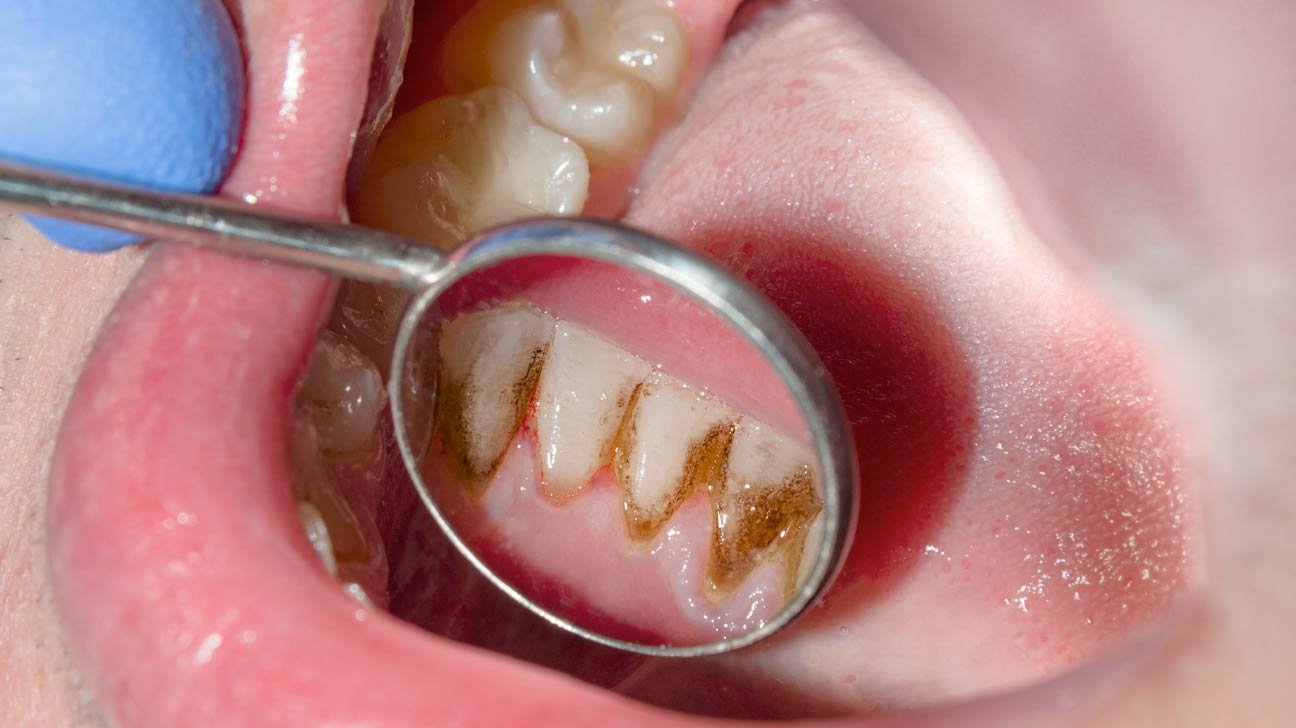
Unlocking a Healthier Smile: Probiotics for Gum Disease Prevention and Teeth Whitening
A dazzling smile isn't just about aesthetics; it's a reflection of overall oral health. While diligent brushing and flossing form the cornerstone of good oral hygiene, emerging research highlights the significant role probiotics play in preventing gum disease and even contributing to teeth whitening. This article explores the fascinating connection between probiotics and oral health, empowering you to make informed choices for a brighter, healthier smile.
The Gut-Mouth Connection: Understanding the Role of Probiotics
The relationship between your gut and oral health might seem surprising, but the two are intricately linked. Your gut microbiome, a complex ecosystem of bacteria, influences various aspects of your well-being, including immune function. A balanced gut microbiome supports a robust immune system, better equipped to fight off the bacteria responsible for gum disease (gingivitis and periodontitis). Probiotics, beneficial bacteria found in certain foods and supplements, help maintain this balance. By introducing beneficial bacteria into your gut, you indirectly strengthen your body's defense against oral pathogens.
Probiotics for Gum Disease Prevention: A Closer Look
Studies suggest certain probiotic strains effectively combat gum disease. These beneficial bacteria work in several ways: They compete with harmful bacteria for space and resources, reducing their population. They also produce substances that inhibit the growth of harmful bacteria, and even strengthen the integrity of your gums, making them more resistant to infection. Specific strains like Lactobacillus and Bifidobacterium species show promise in clinical trials, demonstrating a reduction in inflammation and bleeding gums associated with gingivitis. It's important to note that while research is promising, more large-scale studies are needed to definitively establish the efficacy of probiotics in preventing gum disease.
Choosing the Right Probiotic Supplement
Navigating the world of probiotic supplements can feel overwhelming. Look for supplements that specifically mention strains shown to benefit oral health, such as Lactobacillus rhamnosus GG, Lactobacillus reuteri, and certain Bifidobacterium strains. Check the label for the colony-forming units (CFUs), indicating the number of live bacteria in each dose. Higher CFUs generally translate to a greater potential benefit, but always follow the recommended dosage. Finally, choose reputable brands that ensure the quality and viability of their probiotic strains.
The Surprising Link Between Probiotics and Teeth Whitening
While the primary focus on probiotics is gum health, some indirect benefits contribute to whiter teeth. By reducing inflammation and gum disease, probiotics create a healthier environment in the mouth. Reduced gum inflammation minimizes discoloration around the gum line, leading to a visibly brighter smile. Furthermore, a healthy microbiome might indirectly influence the production of substances that contribute to plaque buildup, a major cause of tooth discoloration. While probiotics aren't a substitute for professional teeth whitening, they can contribute to a brighter smile as part of a comprehensive oral health routine.
Maintaining Optimal Oral Health: A Holistic Approach
Probiotics are a valuable addition to your oral health arsenal, but they shouldn't replace essential practices like:
- Brushing twice daily with fluoride toothpaste.
- Flossing daily to remove plaque and food particles.
- Regular dental checkups and cleanings.
- A healthy diet low in sugary and acidic foods and drinks.
Disclaimer: This information is for educational purposes only and should not be considered medical advice. Consult with your dentist or healthcare provider before starting any new supplement regimen, especially if you have pre-existing health conditions.

0 comments:
Post a Comment
Note: Only a member of this blog may post a comment.