Sunday, November 24, 2024
How to Reduce Gum Inflammation with Turmeric and Ginger Supplements

Mitigating Gum Inflammation: Exploring the Therapeutic Potential of Turmeric and Ginger Supplements
Gum inflammation, medically termed gingivitis, is a prevalent oral health issue characterized by redness, swelling, and bleeding of the gums. If left untreated, it can progress to periodontitis, a more severe condition leading to tooth loss. While conventional treatments like scaling and root planing are effective, many individuals seek complementary and alternative therapies to manage symptoms and promote healing. Turmeric and ginger, renowned for their anti-inflammatory properties, have garnered attention as potential adjunctive therapies in the management of gum inflammation. This article explores the scientific evidence supporting their use and provides insights into their mechanisms of action, dosage considerations, and potential limitations.
The Anti-Inflammatory Power of Turmeric and Ginger
Both turmeric and ginger possess potent anti-inflammatory properties attributed to their bioactive compounds. Turmeric's primary active component is curcumin, a polyphenol with robust anti-inflammatory, antioxidant, and antimicrobial effects. Curcumin exerts its effects through multiple pathways, including the inhibition of pro-inflammatory enzymes like cyclooxygenase-2 (COX-2) and lipoxygenase (LOX), and the modulation of inflammatory signaling pathways such as nuclear factor-κB (NF-κB).
Similarly, ginger's bioactive compounds, primarily gingerols and shogaols, contribute to its anti-inflammatory activity. These compounds inhibit the production of inflammatory mediators, including prostaglandins and leukotrienes, and reduce the activity of inflammatory cells like neutrophils and macrophages. The synergistic effects of these bioactive components in both turmeric and ginger potentially amplify their therapeutic benefits in managing gum inflammation.
Curcumin's Mechanism of Action in Gum Inflammation
Curcumin's impact on gum inflammation is multifaceted. It effectively targets the underlying inflammatory processes by:
- Inhibiting COX-2 and LOX enzymes: These enzymes are crucial in the production of prostaglandins and leukotrienes, inflammatory mediators responsible for pain, swelling, and redness in the gums.
- Suppressing NF-κB activation: NF-κB is a transcription factor that regulates the expression of numerous pro-inflammatory genes. Curcumin's inhibition of NF-κB effectively reduces the production of inflammatory cytokines and chemokines.
- Modulating immune cell activity: Curcumin modulates the activity of immune cells, reducing the infiltration of inflammatory cells into the gum tissue and mitigating the inflammatory response.
- Exerting antimicrobial effects: Curcumin demonstrates antimicrobial properties against various oral pathogens, further contributing to the reduction of gum inflammation.
Ginger's Mechanism of Action in Gum Inflammation
Ginger's anti-inflammatory effects in the context of gum inflammation stem from its bioactive compounds' ability to:
- Reduce prostaglandin production: Prostaglandins are crucial mediators of inflammation, pain, and swelling in gingivitis. Gingerols and shogaols effectively inhibit their production.
- Inhibit leukotriene synthesis: Leukotrienes, another class of inflammatory mediators, are also targeted by ginger's bioactive compounds, contributing to the reduction of inflammatory symptoms.
- Suppress inflammatory cell activity: Ginger's compounds dampen the activity of inflammatory cells, such as neutrophils and macrophages, reducing their infiltration into the gum tissue.
- Enhance antioxidant defense: Ginger possesses significant antioxidant capacity, helping to neutralize reactive oxygen species (ROS) implicated in the pathogenesis of gum inflammation.
Evidence Supporting the Use of Turmeric and Ginger Supplements for Gum Inflammation
While research on the direct application of turmeric and ginger supplements for gum inflammation is still emerging, existing studies provide encouraging evidence. Many studies highlight the anti-inflammatory and antimicrobial properties of curcumin and gingerols in vitro and in animal models. These studies demonstrate their ability to reduce inflammatory markers and improve gingival health parameters. However, high-quality, randomized controlled trials in humans are needed to definitively establish their efficacy as a standalone treatment for gingivitis.
Furthermore, several studies suggest that the combined use of turmeric and ginger may offer synergistic benefits. The combination could potentially enhance their anti-inflammatory and antimicrobial effects, leading to more significant improvements in gum health. However, this hypothesis requires further investigation through rigorous clinical trials.
Dosage Considerations and Potential Side Effects
The optimal dosage of turmeric and ginger supplements for managing gum inflammation is not yet definitively established. However, based on existing research and general recommendations, a typical dosage might include 500-1000 mg of turmeric extract (standardized to contain a specific percentage of curcumin) and 250-500 mg of ginger extract daily. It's crucial to choose high-quality supplements from reputable manufacturers that provide standardized extracts with clearly labeled potency.
While generally considered safe, turmeric and ginger can have potential side effects. Turmeric may cause digestive upset, such as nausea, diarrhea, or heartburn, in some individuals. High doses of turmeric may also interact with certain medications, such as blood thinners. Ginger can also cause gastrointestinal discomfort in some people. Individuals with bleeding disorders should exercise caution when using ginger. It is always advisable to consult a healthcare professional before starting any new supplement regimen, particularly if you are pregnant, breastfeeding, or have pre-existing health conditions or are taking other medications.
Conclusion: A Promising Adjunctive Therapy
Turmeric and ginger hold significant promise as adjunctive therapies in the management of gum inflammation. Their potent anti-inflammatory and antimicrobial properties, supported by preclinical evidence, suggest their potential to alleviate symptoms and promote healing. However, more large-scale, well-designed clinical trials in humans are essential to confirm their efficacy and establish optimal dosage regimens. While these supplements offer a potentially valuable approach to supporting oral health, they should not replace conventional dental care and professional treatment of gum disease. Individuals should always consult with their dentist or healthcare provider to determine the most appropriate treatment plan for their specific situation. The combined use of conventional treatments, alongside the potential benefits of turmeric and ginger supplements, may offer a comprehensive approach to managing gum inflammation and maintaining optimal oral health.
Disclaimer: This article provides information for educational purposes only and should not be construed as medical advice. Always consult with a healthcare professional before starting any new supplement or treatment regimen.

How to Prevent Gum Disease and Protect Your Smile at Home

How to Prevent Gum Disease and Protect Your Smile at Home
Gum disease, also known as periodontal disease, is a prevalent oral health issue affecting millions worldwide. Characterized by inflammation and infection of the gums, it can lead to significant consequences if left untreated, ranging from tooth loss to systemic health problems. Fortunately, proactive home care plays a crucial role in preventing and managing gum disease. By adopting a comprehensive oral hygiene regimen and maintaining healthy lifestyle choices, individuals can significantly reduce their risk and preserve their oral health for years to come.
Understanding the Mechanisms of Gum Disease
To effectively prevent gum disease, it’s essential to understand its underlying mechanisms. The process typically begins with gingivitis, an early stage marked by inflamed and bleeding gums. This inflammation is primarily caused by a buildup of plaque, a sticky film of bacteria that constantly forms on teeth. If plaque isn't adequately removed through brushing and flossing, it hardens into calculus (tartar), a rough deposit that provides an even more hospitable environment for bacterial growth.
The bacteria in plaque produce toxins that irritate the gums, leading to inflammation and bleeding. If gingivitis is left untreated, it can progress to periodontitis, a more severe form of gum disease. In periodontitis, the infection extends beyond the gums, damaging the supporting structures of the teeth, including the periodontal ligaments and alveolar bone. This can result in loose teeth, tooth loss, and even bone recession, significantly altering facial aesthetics.
Essential Home Care Practices for Gum Disease Prevention
A comprehensive home care regimen is the cornerstone of gum disease prevention. This regimen involves a meticulous approach to brushing, flossing, and the use of therapeutic mouthwashes, all underpinned by a commitment to maintaining healthy habits.
Brushing Techniques for Optimal Plaque Removal
Brushing your teeth twice daily for at least two minutes each time is paramount. However, the technique of brushing is equally crucial. Use a soft-bristled toothbrush and employ gentle, circular motions, ensuring that you cover all tooth surfaces â€" the outer, inner, and chewing surfaces. Pay particular attention to the gum line, where plaque tends to accumulate most readily. Consider using an electric toothbrush, as studies have shown their effectiveness in removing plaque more efficiently than manual brushes. Replace your toothbrush every three to four months, or sooner if the bristles become frayed.
The Importance of Flossing: Reaching Interdental Spaces
Brushing alone cannot effectively remove plaque from between teeth, where the majority of gum disease begins. Flossing is therefore essential. Use about 18 inches of floss, carefully guiding it between each tooth, curving it around the base of each tooth in a "C" shape. Gently slide the floss up and down to remove plaque and food particles. Floss at least once a day, ideally before bedtime.
Therapeutic Mouthwashes: An Adjunctive Approach
Therapeutic mouthwashes can complement brushing and flossing, providing an additional layer of protection. Look for mouthwashes containing chlorhexidine or essential oils, as these have demonstrated efficacy in reducing plaque and gingivitis. Always follow the manufacturer's instructions for usage, as excessive use can lead to undesirable side effects. Consult your dentist before incorporating a therapeutic mouthwash into your routine, especially if you have any underlying health conditions.
Choosing the Right Oral Hygiene Aids
Selecting the appropriate oral hygiene aids is crucial for effective plaque removal. Beyond toothbrushes and floss, consider interdental brushes for cleaning larger interdental spaces, and tongue scrapers to remove bacteria from the tongue's surface. Your dentist can help determine the most suitable aids based on your individual needs and oral anatomy.
Lifestyle Factors Influencing Gum Health
While diligent oral hygiene is fundamental, lifestyle factors play a significant role in gum health. These factors can either contribute to or mitigate the risk of gum disease.
Dietary Habits and Gum Health
A balanced diet rich in fruits, vegetables, and whole grains is crucial for overall health, including oral health. Limit the consumption of sugary and acidic foods and drinks, as they promote bacterial growth and contribute to tooth decay and gum inflammation. Adequate hydration is also important for maintaining oral tissues.
Smoking Cessation: A Critical Step
Smoking is a major risk factor for gum disease. It impairs the body's immune response, making it more susceptible to infection. Smoking also reduces blood flow to the gums, hindering healing and increasing the severity of periodontal disease. Quitting smoking is essential for protecting your gum health and overall well-being.
Stress Management and its Impact on Oral Health
Chronic stress can negatively impact various aspects of health, including oral health. Stress weakens the immune system, making individuals more vulnerable to infections, including gum disease. Incorporating stress-management techniques, such as exercise, meditation, or yoga, can contribute to improved oral health.
Regular Dental Checkups: Proactive Monitoring and Intervention
Regular visits to your dentist are critical for preventing and managing gum disease. Professional cleanings remove plaque and tartar that cannot be removed through home care alone. Your dentist can also detect early signs of gum disease and provide appropriate interventions to prevent its progression. Ideally, you should schedule professional cleanings and examinations every six months.
Conclusion: Maintaining a Healthy and Beautiful Smile
Preventing gum disease is a proactive endeavor that requires a multifaceted approach. By incorporating diligent home care practices, adopting healthy lifestyle choices, and maintaining regular dental checkups, individuals can significantly reduce their risk of developing this prevalent oral health issue. Remember that protecting your gums is not merely about preserving your teeth; it’s about safeguarding your overall health and well-being. A healthy smile is a testament to a commitment to holistic wellness.
How to Use Tea Tree Oil to Heal Gum Sensitivity at Home

Banishing Gum Sensitivity with Tea Tree Oil: A Home Remedy Guide
Dealing with nagging gum sensitivity? The sharp, shooting pains that accompany even the gentlest touch can be incredibly frustrating. While professional dental care is always recommended for persistent issues, many find relief using natural remedies like tea tree oil. This powerful essential oil boasts potent antibacterial and anti-inflammatory properties, making it a potential ally in the fight against gum sensitivity. However, it's crucial to use it correctly and cautiously. This guide provides a detailed, step-by-step approach to harnessing the benefits of tea tree oil for healthier gums, but remember to always consult your dentist for any persistent or severe gum problems.
Understanding the Potential Benefits of Tea Tree Oil
Tea tree oil, derived from the Australian Melaleuca alternifolia tree, contains compounds like terpinen-4-ol that demonstrate significant antimicrobial effects. This means it can effectively target bacteria responsible for gum inflammation (gingivitis), a common cause of sensitivity. The oil's anti-inflammatory action helps reduce swelling and irritation, thus alleviating the pain associated with sensitive gums. Studies show promise, suggesting tea tree oil can be a complementary approach to conventional treatments. However, it's vital to remember that tea tree oil is not a replacement for professional dental care and should be used as a supplemental approach, not a primary treatment.
Safe and Effective Application Methods
Direct application of undiluted tea tree oil to gums can be irritating and even harmful. Therefore, always dilute it with a carrier oil like coconut oil or olive oil. A general guideline is to use a ratio of one drop of tea tree oil to ten drops of carrier oil. Never exceed this concentration.
Step-by-Step Guide to Using Diluted Tea Tree Oil
- Prepare the mixture: In a small, clean container, combine one drop of pure tea tree oil with ten drops of your chosen carrier oil. Mix gently.
- Cleanse your mouth: Brush and floss your teeth thoroughly to remove any food particles or plaque.
- Apply the mixture: Using a clean cotton swab, apply a tiny amount of the diluted tea tree oil mixture directly to the sensitive gum area. Avoid swallowing the oil.
- Gently massage: Gently massage the mixture into the gums for about 30 seconds.
- Rinse and repeat: Rinse your mouth thoroughly with warm water. Repeat this process once or twice daily, but never more frequently.
Important Precautions
Never ingest tea tree oil. It's solely for external use. If you experience any adverse reactions such as burning, excessive irritation, or allergic reactions (rash, itching, swelling), discontinue use immediately and consult your dentist or doctor. Tea tree oil may interact with certain medications; inform your healthcare provider about your use of tea tree oil if you are taking any other medications. Children and pregnant or breastfeeding women should avoid using tea tree oil without consulting their doctor first. Always perform a patch test on a small area of skin before applying it to your gums to check for any allergic reactions.
Maintaining Oral Hygiene for Long-Term Gum Health
While tea tree oil can offer temporary relief, maintaining excellent oral hygiene practices is crucial for long-term gum health. This includes brushing twice daily with fluoride toothpaste, flossing daily to remove plaque between teeth, and visiting your dentist for regular checkups and cleanings. A healthy diet low in sugar also contributes significantly to preventing gum disease and sensitivity. Remember, tea tree oil is a supplemental remedy, not a replacement for professional dental care. If gum sensitivity persists or worsens despite using home remedies, schedule an appointment with your dentist to determine the underlying cause and receive appropriate treatment.
How to Fix Bad Breath and Prevent Gum Disease Naturally

Conquer Bad Breath and Gum Disease Naturally: A Holistic Approach
Halitosis, or bad breath, and gum disease (gingivitis and periodontitis) are common oral health problems that significantly impact confidence and overall well-being. While conventional treatments exist, many individuals seek natural solutions to address these issues. This article explores effective, natural strategies to combat bad breath and prevent gum disease, empowering you to take control of your oral hygiene.
Tackling Bad Breath Naturally
Bad breath often stems from bacteria accumulating in the mouth. These bacteria break down food particles, producing volatile sulfur compounds (VSCs) responsible for the unpleasant odor. Fortunately, several natural remedies effectively neutralize these bacteria and freshen breath.
Boost Your Hydration
Water is your best friend in the fight against bad breath. Drinking plenty of water throughout the day washes away food particles and bacteria, preventing their buildup. Aim for at least eight glasses of water daily. This simple act significantly reduces the breeding ground for odor-causing bacteria.
Embrace the Power of Herbs and Spices
Certain herbs and spices possess potent antibacterial and antimicrobial properties that combat oral bacteria. Chewing on fresh parsley, mint leaves, or cardamom pods after meals can neutralize odors and leave your breath feeling refreshed. These natural remedies are readily available and offer a convenient, effective solution.
Oil Pulling: An Ancient Technique
Oil pulling, a traditional Ayurvedic practice, involves swishing a tablespoon of oil (such as coconut or sesame oil) in your mouth for 10-20 minutes before brushing. This process purportedly draws out bacteria and toxins, improving oral hygiene. While more research is needed, many report significant improvements in bad breath and oral health after consistently practicing oil pulling.
Preventing Gum Disease Naturally
Gum disease, ranging from mild gingivitis to severe periodontitis, is primarily caused by bacterial plaque buildup. This plaque inflames the gums, leading to bleeding, swelling, and ultimately, potential tooth loss if left untreated. A proactive approach using natural methods is key to prevention.
Master the Art of Proper Brushing and Flossing
Thorough brushing twice a day and daily flossing remain cornerstones of gum disease prevention. Use a soft-bristled toothbrush and gentle, circular motions to avoid damaging your gums. Flossing removes plaque from between teeth where your toothbrush can't reach, preventing gum inflammation.
Nourish Your Gums with Vitamin C and Antioxidants
A diet rich in Vitamin C and antioxidants is crucial for gum health. Vitamin C strengthens blood vessels and tissues, promoting healing and fighting inflammation. Include foods like citrus fruits, berries, and leafy greens in your diet to boost your gum's natural defenses against bacterial infections.
Consider Natural Mouthwashes
While commercial mouthwashes often contain harsh chemicals, natural alternatives offer gentle yet effective cleansing. Rinsing your mouth with diluted hydrogen peroxide (consult your dentist for correct dilution) or a mixture of warm water and salt can help eliminate bacteria and reduce inflammation. Always choose products that are alcohol-free to avoid further drying and irritating the delicate gum tissues.
Maintaining Optimal Oral Health
Preventing bad breath and gum disease requires a holistic approach that combines good oral hygiene practices with a healthy lifestyle. Remember, consistent effort is key. Regularly visit your dentist for professional cleanings and checkups, even when using natural methods. This ensures early detection and treatment of any potential issues.
By incorporating these natural strategies into your daily routine, you can significantly improve your oral health, banish bad breath, and prevent the onset and progression of gum disease. Remember that this information should complement, not replace, professional dental advice. Consult your dentist or periodontist for personalized recommendations.
Friday, November 22, 2024
How to Get the Benefits of Natural Probiotics Without Supplements

Harnessing the Power of Natural Probiotics: Ditch the Supplements
For years, the supplement aisle has touted the benefits of probiotics â€" those beneficial bacteria that support gut health and overall well-being. But what if you could achieve the same positive effects naturally, without resorting to pills and powders? The answer lies in understanding where these beneficial microbes reside and incorporating them strategically into your daily life. Forget the costly supplements; let's explore the delicious and accessible ways to nurture your gut microbiome with the power of nature.
Embrace Fermented Foods: A Probiotic Powerhouse
Fermentation, a process dating back millennia, is nature's way of preserving food and simultaneously enriching it with probiotics. These ancient preservation methods not only extend shelf life but also create a concentrated source of beneficial bacteria. Think of it as a happy accident â€" food preservation that simultaneously boosts your gut health! Incorporating fermented foods into your diet provides a diverse range of beneficial strains, far surpassing the limited selection often found in single-strain probiotic supplements.
Popular Probiotic-Rich Fermented Foods to Include:
- Yogurt (especially unsweetened, live-and-active culture varieties): Look for labels clearly stating the presence of beneficial bacteria like *Lactobacillus* and *Bifidobacterium*. Consider Greek yogurt for a higher protein content.
- Kefir: This tangy, fermented milk drink boasts a wider range of beneficial bacterial strains than yogurt.
- Sauerkraut: Finely shredded cabbage fermented with salt, sauerkraut offers a delightful crunch and a healthy dose of probiotics.
- Kimchi: A spicy Korean staple made from fermented napa cabbage, kimchi is packed with flavor and probiotics.
- Kombucha: A subtly sweet and fizzy fermented tea, kombucha provides both probiotics and antioxidants.
Cultivating a Diverse Diet for a Thriving Gut
While fermented foods provide a direct source of probiotics, your overall diet plays a crucial role in supporting the growth and diversity of your gut microbiome. A diet rich in fiber acts as prebiotics â€" the food that beneficial bacteria feed on. This, in turn, encourages the flourishing of your existing gut flora, enhancing their positive impact on your health.
Prioritize Fiber-Rich Foods:
- Fruits and vegetables: A rainbow of colors ensures a wide variety of fiber types.
- Legumes: Beans, lentils, and chickpeas are excellent sources of both fiber and prebiotics.
- Whole grains: Oats, brown rice, and quinoa offer substantial fiber compared to refined grains.
Remember, a diverse gut microbiome is a resilient gut microbiome. By combining fermented foods with a fiber-rich diet, you build a foundation for a healthy and happy gut â€" naturally and effectively.
Beyond Food: Lifestyle Factors Supporting Gut Health
Your gut health extends beyond just your diet. Stress reduction, adequate sleep, and regular exercise all play significant roles in maintaining a balanced microbiome. Chronic stress can negatively impact gut bacteria diversity, highlighting the importance of incorporating stress-reducing techniques into your daily routine â€" be it meditation, yoga, or simply spending time in nature.
In conclusion, obtaining the benefits of probiotics doesn't require expensive supplements. By embracing fermented foods, prioritizing a fiber-rich diet, and adopting a holistic lifestyle, you can effectively nurture your gut microbiome and reap the rewards of natural probiotic power. Embrace the simple, natural, and delicious path to a healthier you!
How Probiotics Support Oral Health in Older Adults
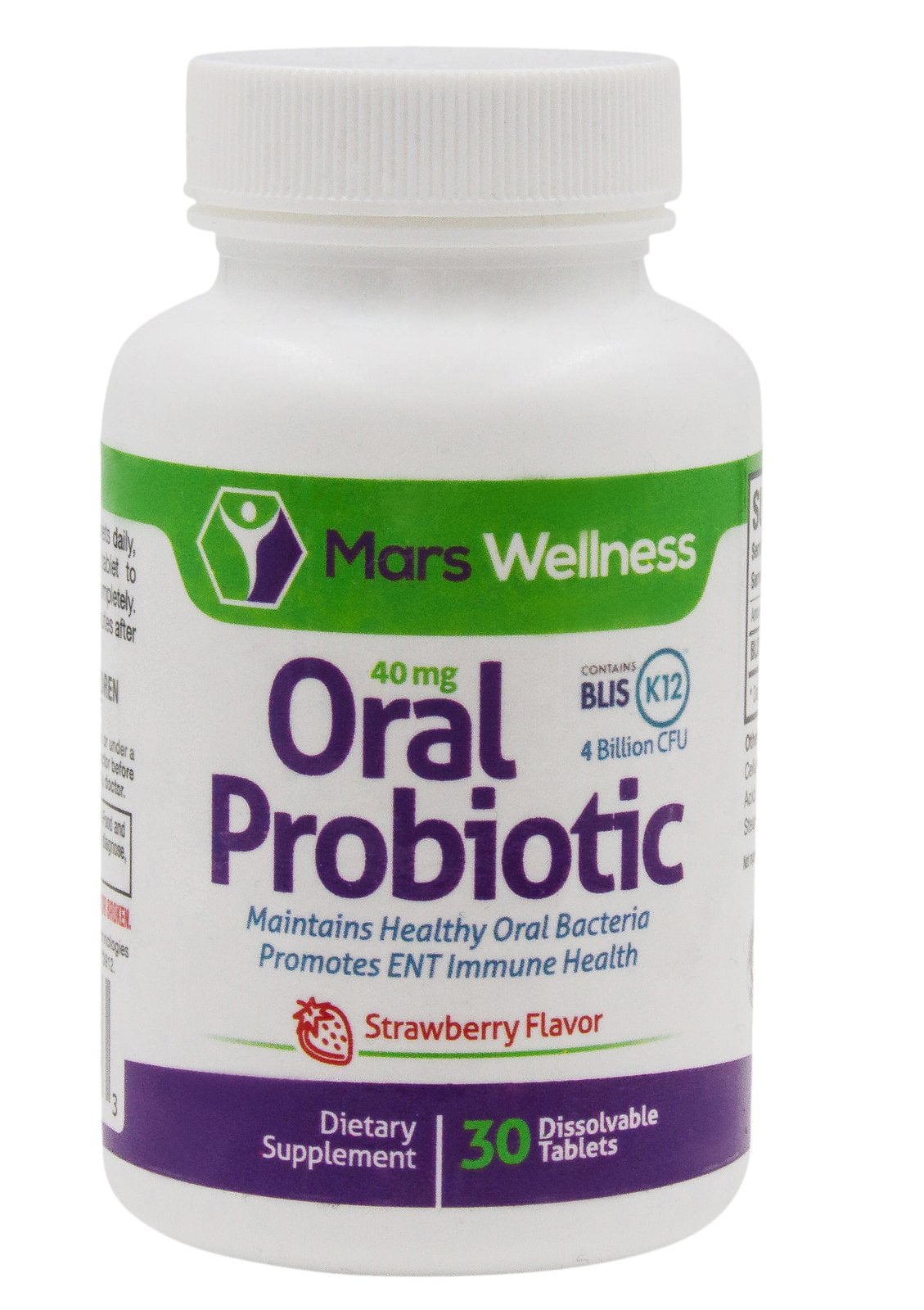
Probiotics and Oral Health in Older Adults: A Comprehensive Review
Oral health significantly impacts the overall well-being of older adults, affecting their nutritional status, systemic health, and quality of life. Age-related physiological changes, coupled with a higher prevalence of chronic diseases and medication use, contribute to increased susceptibility to oral diseases such as caries, periodontal disease, and oral candidiasis. While conventional approaches to oral healthcare remain crucial, emerging research highlights the potential of probiotics as a complementary strategy for promoting and maintaining oral health in this vulnerable population. This review explores the multifaceted mechanisms through which probiotics may support oral health in older adults, examines the current evidence base, and discusses future research directions.
The Oral Microbiome and Age-Related Changes
The oral cavity harbors a complex and dynamic ecosystem of microorganisms, collectively known as the oral microbiome. This microbiome plays a critical role in maintaining oral health and homeostasis. A balanced microbiome is characterized by a diverse population of commensal bacteria, which contribute to host defense against pathogens and modulate the immune response. However, age-related changes significantly alter the composition and function of the oral microbiome, creating an environment more susceptible to dysbiosis â€" an imbalance in the microbial community.
Impact of Aging on Oral Microbiome Composition
Several factors contribute to age-related changes in the oral microbiome. These include:
- Reduced salivary flow: Saliva plays a crucial role in maintaining oral hygiene by lubricating the oral mucosa, neutralizing acids, and providing antimicrobial factors. Age-related xerostomia (dry mouth) reduces the protective effects of saliva, increasing the risk of caries and periodontal disease.
- Changes in immune function: The immune system’s ability to effectively combat oral pathogens diminishes with age, leading to a higher susceptibility to infections.
- Increased prevalence of systemic diseases: Many chronic diseases prevalent in older adults, such as diabetes and cardiovascular disease, are linked to changes in the oral microbiome and increased risk of oral infections.
- Medication side effects: Many commonly prescribed medications, such as antihypertensives and antidepressants, can have xerostomic effects, exacerbating the impact of aging on oral health.
- Poor oral hygiene practices: Reduced dexterity, cognitive impairment, and access to dental care can lead to inadequate oral hygiene practices, further compromising oral health.
Probiotics: Mechanisms of Action in Oral Health
Probiotics are live microorganisms, primarily bacteria and yeasts, that when administered in adequate amounts confer a health benefit on the host. Their beneficial effects in oral health are multifaceted and include:
Competitive Exclusion
Probiotics can competitively inhibit the growth of pathogenic bacteria by competing for adhesion sites on the tooth surface and mucosal tissues. By occupying these sites, probiotics prevent pathogens from colonizing and causing disease. This mechanism is particularly important in preventing caries and periodontal disease.
Production of Antimicrobial Substances
Many probiotic strains produce antimicrobial substances such as bacteriocins, organic acids, and hydrogen peroxide. These substances can directly inhibit the growth and viability of pathogenic bacteria, contributing to a reduction in disease-causing microorganisms.
Modulation of Immune Response
Probiotics can modulate the host's immune response by interacting with immune cells in the oral mucosa. They can enhance the production of antimicrobial peptides and cytokines, contributing to improved host defense against pathogens. Furthermore, certain probiotics possess immunomodulatory properties that can reduce inflammation, a key factor in periodontal disease.
Restoration of Microbial Balance
By introducing beneficial bacteria into the oral microbiome, probiotics can help restore the balance between beneficial and pathogenic microorganisms. This can counteract the age-related shifts in the microbial community that contribute to increased susceptibility to oral diseases. The restoration of eubiosis (a balanced microbiome) promotes a healthy oral environment.
Evidence for Probiotic Use in Older Adults
While the evidence base for the use of probiotics in oral health is still developing, a growing body of research suggests their potential benefits, particularly in older adults. Several studies have demonstrated the efficacy of specific probiotic strains in reducing plaque formation, gingivitis, and halitosis. Furthermore, some preliminary studies suggest a potential role for probiotics in managing oral candidiasis, a common fungal infection in older adults.
Challenges and Limitations of Current Research
Despite the promising results, there are limitations to the existing research. Many studies are small-scale, with limited sample sizes and methodological variations. Furthermore, the optimal probiotic strains, dosages, and delivery methods for older adults remain to be determined. Longitudinal studies are needed to assess the long-term effects of probiotic interventions on oral health outcomes.
Future Research Directions
Future research should focus on several key areas to further elucidate the role of probiotics in oral health in older adults:
- Identification of effective probiotic strains: Further research is needed to identify the most effective probiotic strains for specific oral diseases in older adults. This includes considering strain-specific characteristics, such as adhesion properties, antimicrobial activity, and immunomodulatory effects.
- Optimization of delivery methods: Developing effective and convenient delivery methods, such as lozenges, mouthwashes, or dentifrices, is crucial for ensuring compliance and efficacy in older adults.
- Longitudinal studies: Large-scale, randomized controlled trials are needed to assess the long-term effects of probiotic interventions on oral health outcomes and overall well-being in older adults.
- Personalized approaches: Considering individual factors such as age, health status, and oral microbiome composition could lead to more personalized and effective probiotic interventions.
- Synergistic effects with other interventions: Investigating the synergistic effects of probiotics with other oral health interventions, such as improved oral hygiene practices and conventional dental treatments, could enhance the overall effectiveness of oral health management in older adults.
Conclusion
Probiotics offer a promising complementary approach to conventional oral healthcare for older adults. Their ability to modulate the oral microbiome, inhibit pathogenic bacteria, and modulate the immune response suggests a significant potential for improving oral health and reducing the risk of oral diseases. While further research is needed to fully elucidate their efficacy and optimize their use, probiotics represent a valuable avenue for enhancing oral health outcomes and improving the overall well-being of older adults. The development of effective and accessible probiotic interventions holds significant promise for improving the oral health of this vulnerable population.
Purple Carrots and Teeth: A Natural Solution for Gum and Tooth Issues
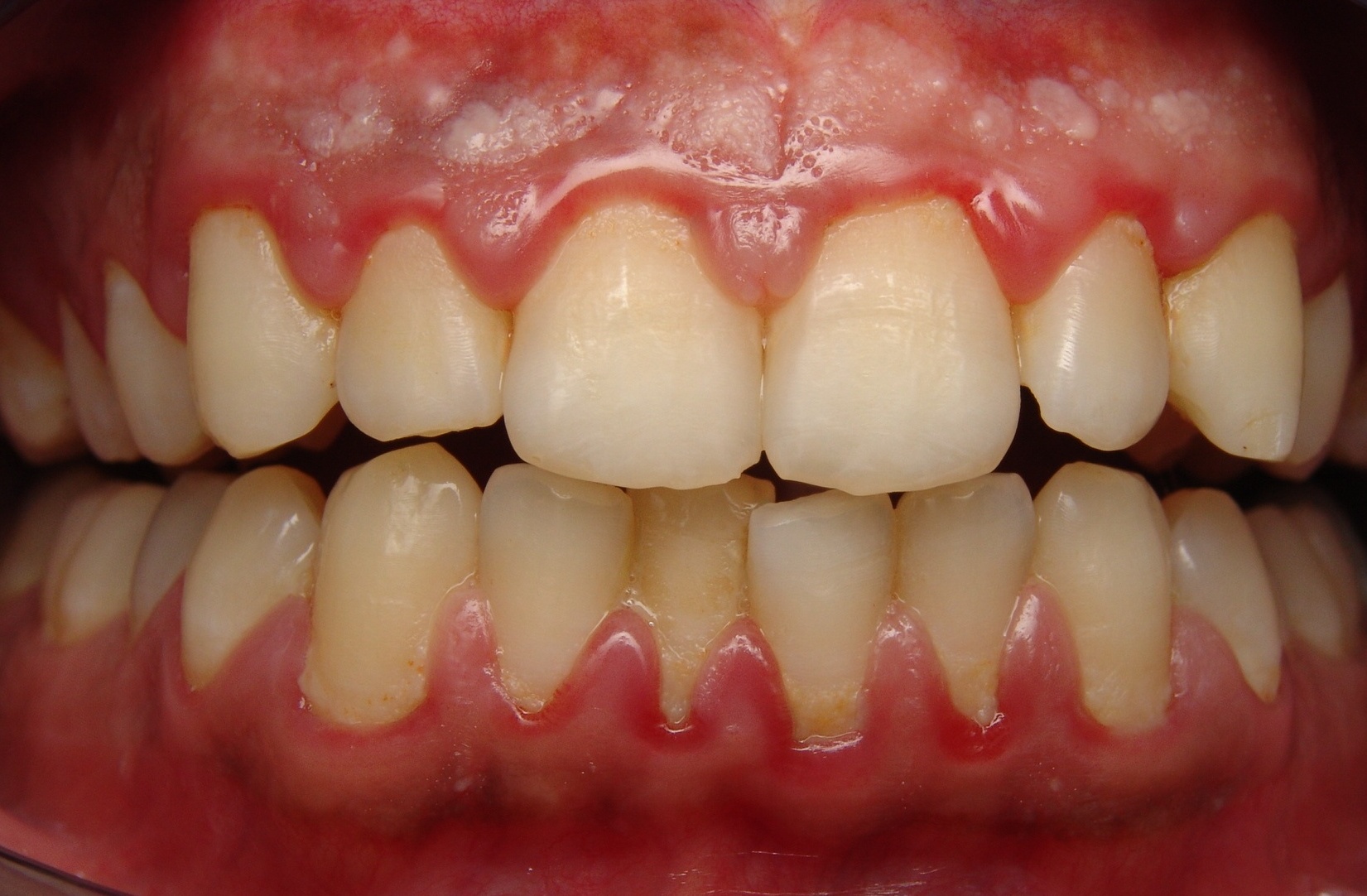
Purple Carrots and Teeth: A Natural Solution for Gum and Tooth Issues
The quest for optimal oral health often leads individuals to explore various methods beyond conventional dentistry. While professional care remains paramount, the incorporation of natural remedies, such as those derived from nutrient-rich foods, can contribute significantly to maintaining healthy gums and teeth. This article delves into the potential benefits of purple carrots, a vibrant root vegetable packed with bioactive compounds, in addressing common oral health concerns. While not a replacement for professional dental care, the evidence suggests a potential supplementary role for purple carrots in supporting oral hygiene.
Understanding the Oral Microbiome and its Impact on Health
The oral cavity harbors a complex and dynamic ecosystem known as the oral microbiome. This community of microorganisms, including bacteria, fungi, and viruses, plays a crucial role in maintaining oral health. A balanced microbiome contributes to the integrity of the tooth enamel, gingival tissue, and overall oral mucosal health. However, an imbalance, or dysbiosis, in the oral microbiome can lead to a cascade of detrimental effects, culminating in various oral diseases.
The Role of Bacteria in Oral Diseases
Certain bacteria within the oral microbiome are particularly implicated in the development of dental caries (tooth decay) and periodontal diseases (gum diseases). Streptococcus mutans, for example, is a key player in the initiation of dental caries, producing acids that erode tooth enamel. Similarly, Porphyromonas gingivalis and other anaerobic bacteria are strongly associated with the progression of periodontal diseases, leading to inflammation, gum recession, and ultimately, tooth loss. These bacteria thrive in environments with high levels of sugar and plaque accumulation.
The Importance of Antioxidants in Oral Health
Maintaining a healthy oral microbiome involves managing the inflammatory response and combating oxidative stress. Oxidative stress, a condition characterized by an imbalance between the production of reactive oxygen species (ROS) and the body's ability to neutralize them, contributes significantly to the pathogenesis of periodontal disease. Antioxidants, substances that neutralize ROS, play a crucial role in mitigating oxidative stress and reducing inflammation.
Purple Carrots: A Rich Source of Bioactive Compounds
Purple carrots, a naturally occurring variant of the common carrot (Daucus carota), stand out for their exceptional nutritional profile. Unlike their orange counterparts, purple carrots owe their distinctive color to a high concentration of anthocyanins, a group of potent antioxidant pigments belonging to the flavonoid family. These anthocyanins are responsible for the array of health benefits associated with purple carrots, including their potential positive effects on oral health.
Anthocyanins and their Antibacterial Properties
Studies have demonstrated the antibacterial activity of anthocyanins against various oral pathogens. These compounds can inhibit the growth and metabolic activity of bacteria like Streptococcus mutans and Porphyromonas gingivalis, contributing to a reduction in plaque formation and the prevention of oral infections. The mechanism of action often involves disruption of bacterial cell membranes and interference with bacterial enzyme activity.
Anti-inflammatory Effects of Anthocyanins
Beyond their antibacterial properties, anthocyanins exhibit potent anti-inflammatory effects. They can modulate inflammatory pathways, reducing the production of pro-inflammatory cytokines that contribute to gum inflammation and periodontal disease. This anti-inflammatory action helps to maintain the health of the gingival tissues and prevent the progression of periodontal disease.
Potential Benefits of Purple Carrots for Oral Health
The combined antibacterial and anti-inflammatory properties of the anthocyanins in purple carrots suggest several potential benefits for oral health:
- Reduced Plaque Formation: The antibacterial activity of anthocyanins may contribute to a decrease in plaque accumulation, a major factor in the development of dental caries and periodontal disease.
- Prevention of Gingivitis: The anti-inflammatory effects of anthocyanins can help to prevent or manage gingivitis, the initial stage of periodontal disease, characterized by gum inflammation and bleeding.
- Improved Periodontal Health: By reducing inflammation and inhibiting the growth of pathogenic bacteria, purple carrots may support the maintenance of healthy periodontal tissues and prevent the progression of periodontal disease.
- Enhanced Oral Hygiene: Consuming purple carrots can contribute to overall oral health by providing a natural source of antioxidants and antibacterial compounds.
Incorporating Purple Carrots into an Oral Health Routine
While purple carrots are not a substitute for regular brushing, flossing, and professional dental checkups, they can be a valuable addition to a comprehensive oral health regimen. Consider these suggestions for incorporating purple carrots into your diet:
- Raw Consumption: Eating raw purple carrots promotes thorough chewing, stimulating saliva production and mechanically cleaning teeth.
- Juicing: Purple carrot juice can be a refreshing and convenient way to consume this nutrient-rich vegetable.
- Smoothies: Blend purple carrots with other fruits and vegetables to create a delicious and nutritious smoothie.
- Cooking: While some nutritional benefits may be lost during cooking, purple carrots can be incorporated into various cooked dishes.
Further Research and Considerations
While the existing evidence suggests promising potential benefits, further research is warranted to fully elucidate the effects of purple carrots on oral health. Controlled clinical trials are needed to confirm the efficacy of purple carrots in preventing and treating specific oral diseases. Moreover, individual responses to dietary interventions can vary, and it's essential to consult with a dentist or healthcare professional before making significant changes to your diet, especially if you have pre-existing oral health conditions.
In conclusion, purple carrots, rich in anthocyanins, offer a natural source of antibacterial and anti-inflammatory compounds that may contribute to improved oral health. While not a standalone solution, incorporating purple carrots into a balanced diet and comprehensive oral hygiene routine may play a supportive role in maintaining healthy gums and teeth. Remember that professional dental care remains crucial for optimal oral health.