Sunday, February 2, 2025
How Probiotics and Xylitol Improve Oral Hygiene and Protect Teeth

Unlocking a Sparkling Smile: How Probiotics and Xylitol Boost Oral Health
Let's be honest, nobody loves the dentist's drill. But maintaining good oral hygiene isn't just about avoiding those uncomfortable appointments; it's about overall health and a confident smile. For years, we've relied on brushing, flossing, and mouthwash, but recent research has shed light on two powerful allies in the fight for healthy teeth and gums: probiotics and xylitol.
These aren't just buzzwords; they're backed by science and can significantly improve your oral health routine. This article will explore how probiotics and xylitol work their magic and how you can incorporate them into your daily life for a brighter, healthier smile.
Understanding the Power of Probiotics in Oral Care
We all know probiotics are good for our gut, but their benefits extend far beyond digestion. Think of your mouth as a mini ecosystem – a complex environment teeming with both beneficial and harmful bacteria. Just like in your gut, a balanced oral microbiome is key to good health. Probiotics introduce beneficial bacteria to this ecosystem, helping to tip the scales in your favor.
How Probiotics Fight Bad Bacteria
Harmful bacteria in your mouth contribute to various oral problems, including cavities, gum disease (gingivitis and periodontitis), and bad breath. Probiotics work in several ways to combat these unwelcome guests:
- Competition for Space and Resources: Beneficial bacteria compete with harmful bacteria for the same resources, such as nutrients and attachment sites on your teeth and gums. By outcompeting them, they limit the harmful bacteria's ability to thrive.
- Production of Antimicrobial Substances: Some probiotics produce substances that directly inhibit the growth and activity of harmful bacteria. This is a powerful way to reduce their population and prevent the damage they cause.
- Strengthening the Immune System: Probiotics can help stimulate your immune system's response in your mouth. A stronger immune system is better equipped to fight off infections and inflammation caused by harmful bacteria.
- Improving Gum Health: Studies suggest that probiotics can help reduce inflammation in the gums, a major factor in gum disease. This means potentially less bleeding and swelling.
Finding the Right Probiotic for Your Mouth
Not all probiotics are created equal. Look for products specifically formulated for oral health. These often contain strains of bacteria that have been shown to be effective in improving oral hygiene. Some common strains include Lactobacillus and Streptococcus species. Always consult your dentist or doctor before starting any new supplement regimen.
The Sweet Truth About Xylitol: A Cavity Fighter
Xylitol is a naturally occurring sugar alcohol found in many fruits and vegetables. However, it's significantly different from table sugar (sucrose) in its effect on your teeth. While sucrose fuels the growth of cavity-causing bacteria, xylitol actually starves them.
How Xylitol Works its Magic
Here's the science behind xylitol's tooth-protecting powers:
- Preventing Bacterial Adhesion: Xylitol interferes with the ability of cavity-causing bacteria (Streptococcus mutans) to stick to your teeth. This makes it harder for them to form plaque, a sticky film that harbors bacteria and leads to cavities.
- Reducing Plaque Formation: By preventing bacterial adhesion, xylitol contributes to reduced plaque formation. Less plaque means a lower risk of cavities and gum disease.
- Increasing Saliva Production: Saliva is your mouth's natural defense mechanism, washing away food particles and neutralizing acids. Xylitol stimulates saliva production, further enhancing your mouth's ability to protect itself.
- Neutralizing Acids: Xylitol can help neutralize the acids produced by bacteria, preventing them from damaging tooth enamel. This helps to protect against cavities.
Incorporating Xylitol into Your Routine
Xylitol comes in various forms, making it easy to incorporate into your daily routine. You can find it in:
- Chewing gum: Xylitol gum is a popular choice for promoting oral health. Make sure to choose gum that is specifically labeled as containing xylitol and check the amount per piece.
- Mouthwash: Some mouthwashes contain xylitol as an active ingredient. Look for products that list it prominently on the label.
- Toothpaste: A growing number of toothpastes now incorporate xylitol into their formulations.
- Candies and mints: While tempting, be mindful of the total sugar content in these products, as other sugars could counteract the benefits of xylitol. Choose products that clearly state xylitol as the main sweetener and contain minimal other sugars.
Important Note: While xylitol is generally safe, it can be toxic to dogs. Keep xylitol-containing products out of reach of your furry friends.
Probiotics and Xylitol: A Dynamic Duo
The best results often come from combining probiotics and xylitol. They work synergistically, creating a powerful defense against harmful oral bacteria. Xylitol helps to reduce the population of these bacteria, while probiotics repopulate the mouth with beneficial bacteria, maintaining a healthy balance.
Imagine it like this: xylitol cleans house, getting rid of the unwanted guests, and then probiotics move in, ensuring the space stays clean and healthy.
Beyond Probiotics and Xylitol: A Holistic Approach to Oral Health
While probiotics and xylitol are powerful tools, they're not miracle cures. A comprehensive approach to oral hygiene is still crucial:
- Brush and floss regularly: This remains the cornerstone of good oral hygiene. Aim for twice-daily brushing and once-daily flossing.
- See your dentist regularly: Regular checkups and professional cleanings are essential for identifying and addressing potential problems early on.
- Maintain a healthy diet: A balanced diet low in sugary and processed foods contributes to better oral health.
- Stay hydrated: Drinking plenty of water helps wash away food particles and keeps your mouth moist.
Frequently Asked Questions
Q: Are probiotics and xylitol safe for everyone?
A: Generally, yes, but it's always best to consult your dentist or doctor before starting any new supplement or changing your oral hygiene routine, especially if you have underlying health conditions.
Q: How long does it take to see results from using probiotics and xylitol?
A: You may notice improvements in your oral health within a few weeks, but consistent use is key for long-term benefits. It's a journey, not a sprint!
Q: Can I overdose on xylitol?
A: While xylitol is generally safe, consuming excessive amounts can cause gastrointestinal upset. Stick to the recommended dosages on product labels.
Q: Are there any side effects of using oral probiotics?
A: Some people may experience mild side effects such as gas or bloating, but these are usually temporary and resolve on their own. If you experience any persistent or severe side effects, discontinue use and consult your doctor.
Q: Can probiotics and xylitol replace regular brushing and flossing?
A: Absolutely not! Probiotics and xylitol are valuable additions to your oral hygiene routine, but they cannot replace the essential practices of brushing and flossing. Think of them as powerful allies, not replacements for the basics.
By incorporating probiotics and xylitol into your oral hygiene routine, along with maintaining good brushing and flossing habits, you can significantly improve your oral health and enjoy a brighter, healthier smile for years to come. Remember to always consult with your dentist or doctor before making any significant changes to your health regimen.

Monday, January 27, 2025
How Probiotics Can Promote Oral Health by Supporting Your Mouth Microbiome
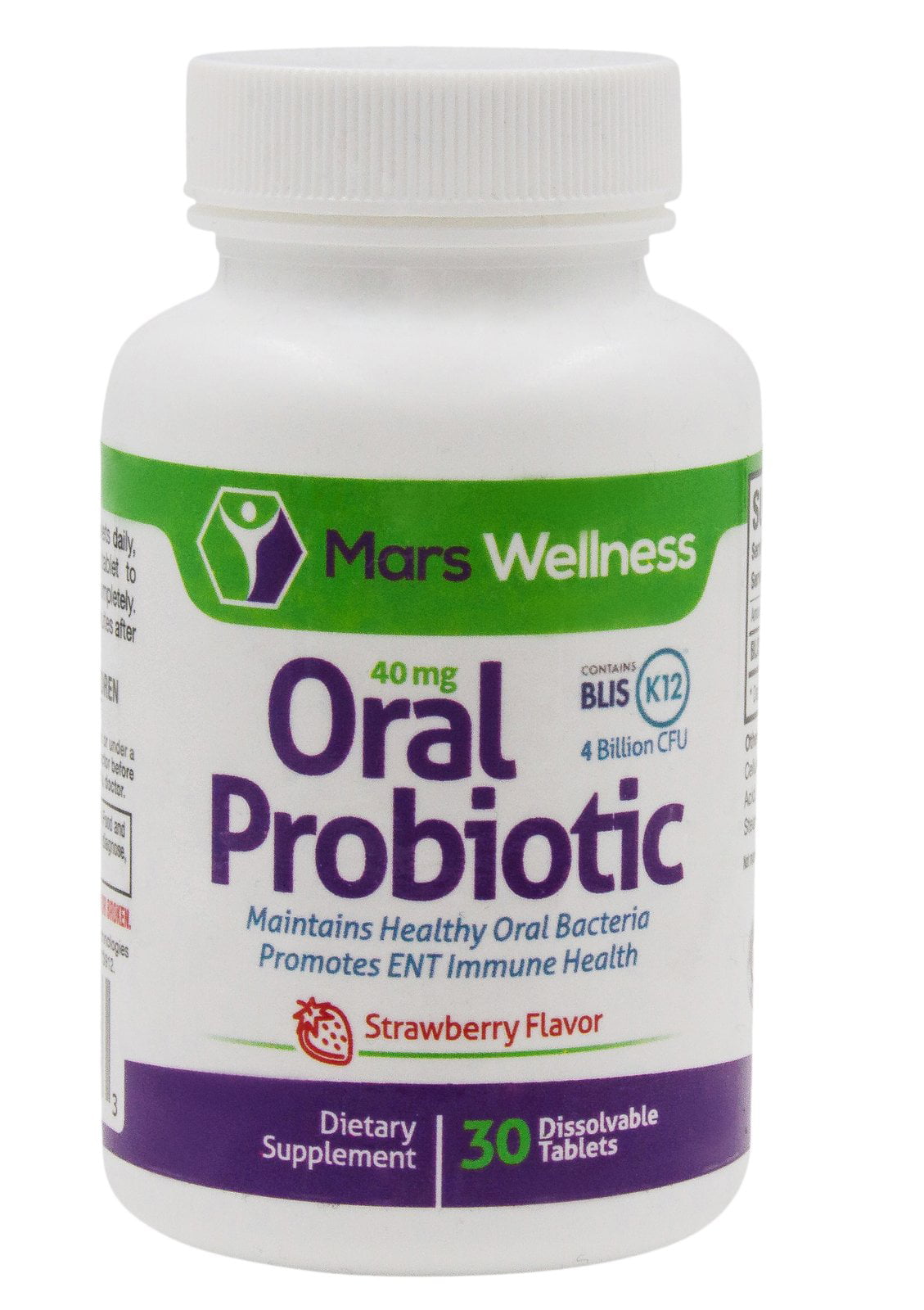
Harnessing the Power of Probiotics for a Healthier Mouth
Our mouths are bustling ecosystems, teeming with a diverse community of microorganisms â€" the oral microbiome. This intricate balance of bacteria, fungi, and viruses plays a crucial role in our overall oral health. When this delicate equilibrium is disrupted, problems like gingivitis, cavities, and even more serious conditions can arise. Fortunately, emerging research highlights the significant potential of probiotics â€" beneficial live microorganisms â€" in supporting and restoring this balance, leading to a healthier, happier mouth.
Understanding the Oral Microbiome and its Importance
The oral microbiome is far more complex than simply "good" and "bad" bacteria. Instead, it's a dynamic interplay of various microbial species, each with its own unique functions. Some bacteria produce beneficial substances that protect against harmful pathogens. Others contribute to the formation of plaque and contribute to the development of periodontal disease. Maintaining a healthy balance of these microbes is essential for preventing oral diseases. A diverse microbiome, populated by a wide range of beneficial bacteria, is generally considered a marker of good oral health. This diversity allows for a robust defense against harmful bacteria and a decreased risk of infections.
How Probiotics Contribute to Oral Health
Probiotics work in several ways to improve oral health. They don't simply kill off "bad" bacteria; instead, they actively support the growth of beneficial microbes and inhibit the colonization of harmful ones. This is achieved through a variety of mechanisms:
Competition for Resources and Space
Beneficial probiotic bacteria compete with pathogenic bacteria for nutrients and attachment sites on tooth surfaces and gums. By outcompeting harmful bacteria, probiotics effectively reduce their numbers and limit their ability to cause damage. This competitive exclusion is a key aspect of probiotic action in the mouth.
Production of Antimicrobial Substances
Many probiotic strains produce antimicrobial substances, such as bacteriocins, that directly inhibit the growth of harmful bacteria. These substances act as natural antibiotics, targeting specific harmful species without harming the beneficial bacteria in the microbiome. This targeted action helps maintain a healthy balance.
Strengthening the Immune Response
Probiotics can modulate the immune response in the mouth, helping to reduce inflammation and prevent the progression of gum disease. They achieve this by interacting with immune cells in the oral mucosa, stimulating the production of antibodies and other immune factors that combat infection. A balanced and strong immune response is crucial for oral health.
Incorporating Probiotics into Your Oral Health Routine
Several methods exist to introduce beneficial probiotics into your oral microbiome. You can find probiotics in various forms:
- Probiotic mouthwashes and toothpastes: These products contain specific strains of bacteria designed to promote oral health. Look for products that clearly state the strains and their benefits.
- Probiotic supplements: While primarily intended for gut health, some probiotic supplements can indirectly benefit oral health by improving the overall gut microbiome, which can have systemic effects.
- Yogurt and other fermented foods: Consuming fermented foods rich in probiotics like yogurt, kefir, and sauerkraut can contribute to a healthier oral microbiome, although the benefits are less direct than using targeted oral products.
It's important to note that not all probiotic strains are equally effective for oral health. Research continues to identify the most beneficial strains, and it's essential to choose products that contain strains with demonstrated efficacy in clinical studies. Always consult with a dentist or healthcare professional before making significant changes to your oral health routine, especially if you have pre-existing conditions.
By understanding the role of the oral microbiome and incorporating probiotics into your oral hygiene routine, you can take a proactive approach towards maintaining a healthy and beautiful smile. Remember that a healthy mouth is a cornerstone of overall well-being.
How to Use Tea Tree Oil to Calm Sensitive Gums

Soothing Sensitive Gums with Tea Tree Oil: A Comprehensive Guide
Dealing with sensitive gums can be a real pain â€" literally! Brushing becomes a chore, and even the thought of enjoying your favorite foods can trigger discomfort. Fortunately, nature offers a potential solution: tea tree oil. Known for its potent antimicrobial and anti-inflammatory properties, tea tree oil might provide much-needed relief for your irritated gums. However, it's crucial to understand how to use it safely and effectively to avoid potential irritation. This guide provides a detailed approach to incorporating tea tree oil into your oral hygiene routine, helping you achieve healthier, happier gums.
Understanding the Benefits of Tea Tree Oil for Gums
Tea tree oil, derived from the Australian tea tree (Melaleuca alternifolia), boasts a remarkable array of therapeutic properties. Its effectiveness against various bacteria, fungi, and viruses makes it a valuable tool in combating oral infections that can often cause gum sensitivity. The oil’s anti-inflammatory action helps reduce swelling and redness, addressing the root cause of much gum discomfort. However, it’s important to remember that tea tree oil is a potent essential oil and should never be ingested. Always dilute it properly before applying it to your gums.
Safe and Effective Application Methods
Direct application of undiluted tea tree oil to your gums is strongly discouraged. Its high concentration can cause irritation and burning. Instead, opt for a diluted solution. The following methods provide safe and effective ways to harness tea tree oil's benefits for sensitive gums:
The Dilution Method: A Safe and Effective Approach
The most common and recommended method involves diluting tea tree oil with a carrier oil, such as coconut oil or olive oil. A typical ratio is 1-2 drops of tea tree oil per tablespoon of carrier oil. This diluted solution can then be gently applied to the affected gum areas using a clean cotton swab or your fingertip. Avoid swallowing the mixture. Rinse your mouth thoroughly with water afterward. This process can be repeated once or twice daily, as needed, but observe your gums carefully for any adverse reactions. If irritation occurs, discontinue use immediately.
Incorporating Tea Tree Oil into Your Mouthwash
Another effective method involves adding a few drops of diluted tea tree oil to your regular mouthwash. However, begin with a very small amount (one drop per ounce of mouthwash) and monitor for any irritation. Gradually increase the concentration if tolerated. This approach provides a gentle yet thorough cleaning action, reaching areas that might be missed with a cotton swab. Remember to always follow the instructions on your mouthwash bottle regarding usage.
Important Precautions and Considerations
While tea tree oil can be beneficial, it’s crucial to exercise caution. Always perform a patch test before widespread application. Apply a small amount of the diluted solution to a small area of your gum and wait 24 hours to check for any allergic reactions, such as redness, swelling, or itching. If any adverse reactions occur, stop using the oil immediately. Pregnant or breastfeeding women should avoid using tea tree oil due to a lack of sufficient research on its safety during these periods.
Remember, tea tree oil is a complementary treatment and shouldn't replace professional dental care. If your gum sensitivity persists or worsens, or if you experience any bleeding, swelling, or severe pain, consult your dentist immediately. They can diagnose the underlying cause and recommend the most appropriate treatment plan.
By following these guidelines, you can safely and effectively utilize tea tree oil's therapeutic properties to soothe sensitive gums and promote better oral health. Always prioritize safety and listen to your body's signals. If in doubt, consult a dental professional for personalized advice.
The Benefits of Probiotics for Oral Care in Older Adults
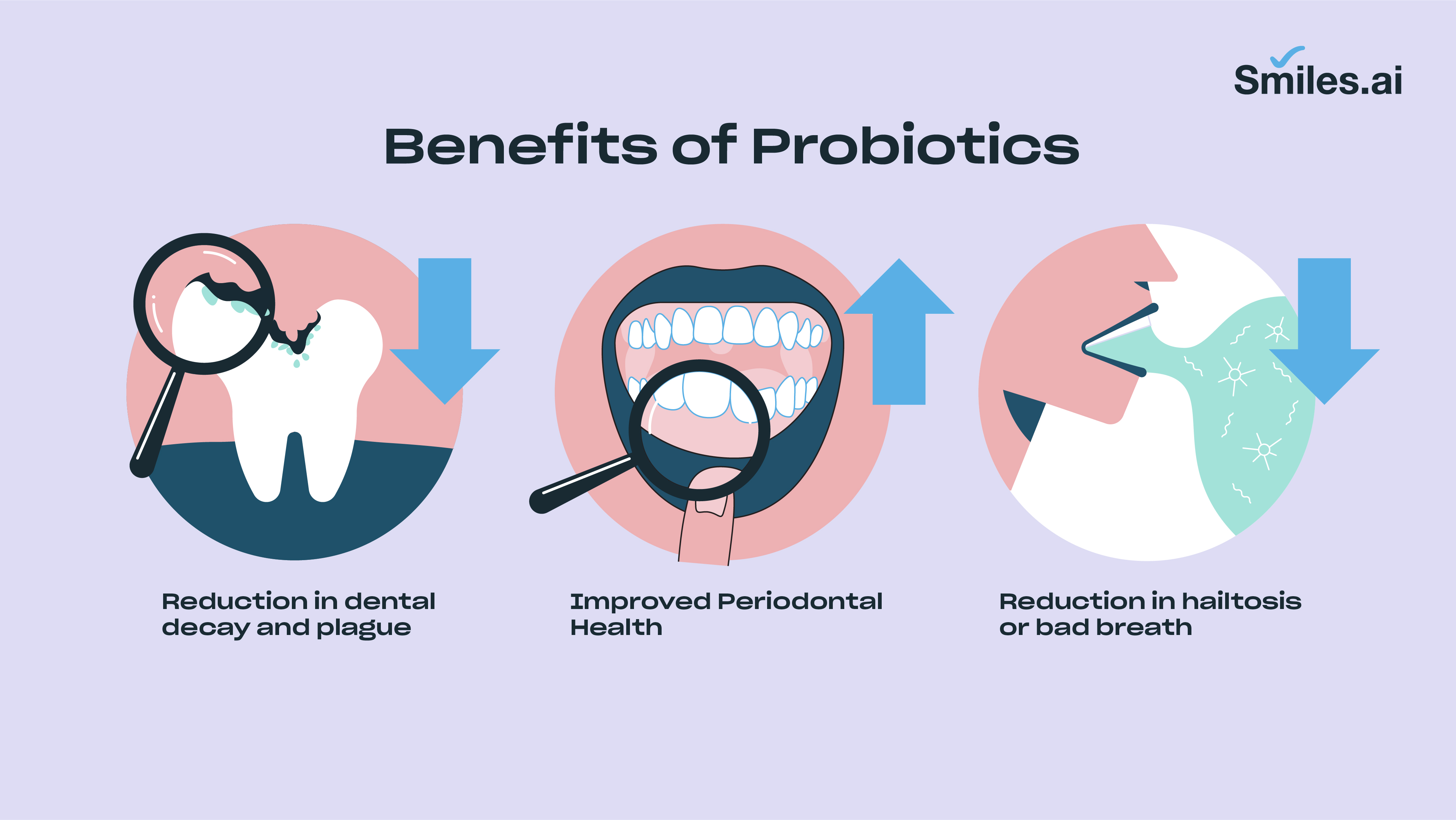
The Benefits of Probiotics for Oral Care in Older Adults
Oral health significantly impacts the overall well-being of older adults, affecting their nutritional intake, quality of life, and systemic health. Age-related changes in the oral microbiome, coupled with decreased salivary flow and immune function, increase vulnerability to oral diseases such as periodontitis, caries, and oral candidiasis. While traditional approaches to oral care remain crucial, emerging research highlights the potential of probiotics as an adjunctive therapy to improve oral health outcomes in this vulnerable population. This article explores the benefits of probiotics for oral care in older adults, examining their mechanisms of action, efficacy, and potential limitations.
The Aging Oral Microbiome and Increased Susceptibility to Disease
The oral cavity harbors a complex and dynamic microbial ecosystem, comprising bacteria, fungi, viruses, and archaea. This oral microbiome plays a critical role in maintaining oral health. However, the aging process significantly alters the composition and function of this microbiome, increasing susceptibility to various oral diseases. Several factors contribute to these changes:
Decreased Salivary Flow (Xerostomia)
Saliva acts as a natural defense mechanism, lubricating the oral mucosa, neutralizing acids, and containing antimicrobial components. Age-related reduction in salivary flow, commonly known as xerostomia, impairs these protective functions, creating a favorable environment for pathogenic microorganisms to thrive. This leads to increased risk of caries, oral candidiasis, and other infections.
Immune System Decline
The immune system naturally declines with age, compromising the body's ability to effectively fight off infections. This age-related immunosenescence weakens the oral immune defenses, making older adults more susceptible to infections like periodontitis, a chronic inflammatory disease affecting the supporting tissues of the teeth.
Changes in Tooth Structure and Composition
Age-related changes in tooth enamel and dentin increase their susceptibility to caries. The enamel becomes thinner and more porous, making it more vulnerable to acid erosion and bacterial attack. Similarly, dentin undergoes structural changes, making it more susceptible to caries progression.
Increased Prevalence of Systemic Diseases
Older adults often suffer from multiple comorbidities, such as diabetes, cardiovascular disease, and autoimmune disorders. These systemic diseases can negatively impact oral health, exacerbating the effects of aging on the oral microbiome and increasing the risk of oral complications.
Probiotics: A Potential Adjunctive Therapy
Probiotics are live microorganisms, primarily bacteria, that, when administered in adequate amounts, confer a health benefit on the host. The use of probiotics in oral care aims to modulate the composition and function of the oral microbiome, restoring the balance between beneficial and pathogenic bacteria. Several mechanisms contribute to their beneficial effects:
Competitive Exclusion
Beneficial probiotic bacteria can compete with pathogenic bacteria for nutrients and attachment sites on the tooth surface and oral mucosa. This competition limits the growth and colonization of harmful bacteria, reducing the risk of infection.
Production of Antimicrobial Substances
Some probiotic strains produce antimicrobial compounds, such as bacteriocins and hydrogen peroxide, that inhibit the growth of pathogenic bacteria and fungi. These substances contribute to the overall reduction of microbial load in the oral cavity.
Immune Modulation
Probiotics can interact with the host immune system, modulating both the innate and adaptive immune responses. They can stimulate the production of antimicrobial peptides and cytokines, enhancing the body's ability to fight off infections. This modulation is particularly beneficial in older adults with impaired immune function.
Enhancement of Salivary Components
Some studies suggest that certain probiotic strains can improve salivary flow and the composition of saliva, enhancing its protective properties. This can contribute to the overall improvement of oral health in older adults with xerostomia.
Efficacy of Probiotics in Older Adults: Evidence from Clinical Studies
While research is ongoing, several clinical studies have investigated the efficacy of probiotics in improving oral health outcomes in older adults. These studies have shown promising results, albeit with some inconsistencies. The efficacy appears to vary depending on factors such as:
- Probiotic strain: Different probiotic strains exhibit varying levels of efficacy. Some strains are more effective against specific pathogens than others.
- Dosage and administration: The optimal dosage and mode of administration (e.g., mouthwash, lozenge, capsule) need further investigation.
- Duration of treatment: The duration of probiotic intervention required to achieve sustained improvements in oral health remains uncertain.
- Baseline oral health status: The response to probiotic therapy may vary depending on the individual's baseline oral health status and the presence of pre-existing oral diseases.
Several studies have reported a reduction in plaque accumulation, gingivitis, and halitosis following probiotic intervention. Some studies have also shown a reduction in the levels of periodontal pathogens, suggesting a potential benefit in preventing or managing periodontitis. However, more large-scale, well-designed randomized controlled trials are needed to definitively establish the clinical efficacy of probiotics for oral care in older adults.
Challenges and Limitations
Despite the promising potential of probiotics, several challenges and limitations need to be addressed:
- Lack of standardized protocols: The lack of standardized protocols for probiotic selection, dosage, and administration makes it difficult to compare results across different studies.
- Variability in efficacy: The efficacy of probiotics can vary depending on several factors, including the probiotic strain, the individual's microbiome, and the presence of other comorbidities.
- Potential adverse effects: Although generally considered safe, probiotics can cause adverse effects in some individuals, such as gastrointestinal discomfort or allergic reactions.
- Cost-effectiveness: The cost-effectiveness of probiotic therapy needs further investigation to assess its feasibility for widespread implementation.
Future Directions
Future research should focus on addressing these limitations and expanding our understanding of the mechanisms of action and clinical efficacy of probiotics for oral care in older adults. This includes:
- Conducting large-scale, well-designed randomized controlled trials to evaluate the efficacy of specific probiotic strains in various oral conditions.
- Developing standardized protocols for probiotic selection, dosage, and administration.
- Investigating the potential synergistic effects of combining probiotics with other oral care interventions.
- Assessing the long-term safety and cost-effectiveness of probiotic therapy.
In conclusion, probiotics hold promise as an adjunctive therapy to improve oral health in older adults by modulating the oral microbiome and enhancing the host's immune response. However, more robust clinical evidence is needed to establish their efficacy and optimal application. Future research should focus on addressing the existing limitations and exploring the full potential of probiotics in this vulnerable population, leading to improved oral health outcomes and enhancing the overall quality of life for older adults.
Why Cranberries Should Be Part of Your Dental Care Routine
Cranberries: A Novel Adjunct to Oral Hygiene
Maintaining optimal oral health is paramount for overall well-being. While diligent brushing and flossing form the cornerstone of any effective dental care routine, exploring complementary strategies can significantly enhance preventative measures and contribute to a healthier, more vibrant smile. This article will delve into the emerging scientific evidence supporting the inclusion of cranberries in one's dental care regimen, highlighting their unique properties and potential benefits in combating oral pathogens and promoting gum health.
The Antimicrobial Properties of Cranberries
Cranberries have long been recognized for their potent antimicrobial properties, largely attributed to their high concentration of A-type proanthocyanidins (PACs). These polyphenols are unique to cranberries and possess a remarkable ability to inhibit the adhesion of bacteria to surfaces, a crucial step in the formation of dental plaque and the development of various oral diseases.
Inhibition of Bacterial Adhesion
Unlike many other antimicrobial agents that directly kill bacteria, PACs primarily function by preventing bacterial colonization. They achieve this by interfering with the bacterial surface proteins involved in adherence, effectively preventing bacteria like Streptococcus mutans, a primary culprit in tooth decay, from attaching to tooth enamel. This mechanism of action is particularly significant as it disrupts the initial stages of biofilm formation, thereby hindering the progression of dental caries and periodontal disease.
Synergistic Effects with Other Oral Hygiene Practices
It's crucial to understand that cranberry consumption should be considered a complementary strategy, not a replacement for established oral hygiene practices. The efficacy of cranberries in preventing oral diseases is significantly enhanced when combined with regular brushing, flossing, and professional dental cleanings. These combined efforts create a multi-pronged approach, maximizing the prevention and treatment of oral pathologies.
Cranberries and the Prevention of Dental Caries
Dental caries, or tooth decay, is a prevalent oral disease characterized by the demineralization of tooth enamel caused by the acids produced by cariogenic bacteria. Cranberries' ability to inhibit the adhesion of S. mutans, a key player in caries development, makes them a promising preventative agent.
Mechanism of Action in Caries Prevention
The PACs in cranberries prevent S. mutans from adhering to the tooth surface, reducing the bacterial population and, consequently, the amount of acid produced. This reduction in acid production minimizes the demineralization process, thus protecting tooth enamel from decay. Studies have shown a correlation between cranberry consumption and reduced caries incidence, particularly in high-risk individuals.
Supporting Evidence from Clinical Trials
While more extensive research is ongoing, several studies have demonstrated the positive effects of cranberry consumption on oral health. These trials have employed various methodologies, including measuring salivary levels of S. mutans, analyzing plaque composition, and assessing caries prevalence in study participants. Results, while not universally conclusive due to variations in study design and sample sizes, generally suggest a beneficial role for cranberries in caries prevention.
Cranberries and Periodontal Disease
Periodontal disease, encompassing gingivitis and periodontitis, is an inflammatory condition affecting the gums and supporting structures of the teeth. It's characterized by plaque accumulation, gingival inflammation, and, in advanced stages, bone loss and tooth loss. Cranberries' antimicrobial properties extend to the prevention and management of periodontal disease.
Impact on Gingival Health
The anti-adhesive properties of cranberry PACs not only target S. mutans but also affect other oral bacteria implicated in periodontal disease, such as Porphyromonas gingivalis and Aggregatibacter actinomycetemcomitans. By reducing bacterial colonization, cranberries contribute to a healthier gingival environment, mitigating inflammation and reducing the risk of periodontal disease progression.
Reducing Gingival Bleeding and Inflammation
Several studies have investigated the impact of cranberry consumption on gingival bleeding and inflammation. Preliminary findings suggest that regular cranberry intake may lead to a reduction in gingival bleeding, a common symptom of gingivitis, and a decrease in inflammatory markers associated with periodontal disease. These results suggest a potential role for cranberries in improving gingival health and reducing the severity of periodontal disease.
Methods of Cranberry Incorporation into Dental Care
Integrating cranberries into a dental care routine can be achieved through various methods, each offering unique benefits and considerations:
- Cranberry Juice: While offering convenience, excessive consumption of cranberry juice can lead to enamel erosion due to its acidity. Diluting the juice with water and limiting intake can mitigate this risk.
- Cranberry Tablets or Capsules: These offer a controlled dosage of cranberry extract, eliminating the potential drawbacks associated with high acidity levels. Always choose reputable brands with standardized extracts to ensure consistent quality and efficacy.
- Cranberry-Infused Mouthwash: While not widely available commercially, some individuals incorporate cranberry extract into homemade mouthwashes. It is crucial to ensure the formulation is safe for oral use and does not disrupt the natural oral pH balance.
- Fresh or Dried Cranberries: Consuming fresh or dried cranberries as part of a balanced diet offers a naturally occurring source of PACs and other beneficial nutrients. Moderation is essential due to the sugar content of dried cranberries.
Conclusion: A Promising Addition to Oral Health Strategies
The emerging evidence supports the inclusion of cranberries as a complementary strategy in maintaining optimal oral health. Their unique ability to inhibit bacterial adhesion, coupled with their potential anti-inflammatory effects, positions them as a valuable adjunct to established oral hygiene practices. While more large-scale, long-term clinical trials are necessary to fully elucidate their efficacy, the existing data strongly suggest that cranberries can play a significant role in preventing and managing dental caries and periodontal disease. However, it is essential to remember that cranberries should be viewed as a complement to, not a replacement for, standard oral hygiene practices, such as regular brushing, flossing, and professional dental cleanings. A holistic approach encompassing proper oral hygiene and strategic cranberry consumption offers the most comprehensive strategy for maintaining a healthy and vibrant smile.
Home Remedies vs. Professional Treatments: What You Need to Know

Home Remedies vs. Professional Treatments: What You Need to Know
We all face health challenges, from minor aches and pains to more serious conditions. When faced with an ailment, many of us first turn to readily available home remedies. Grandmother's secret cough syrup or a soothing herbal tea might seem appealing, offering a natural and often cost-effective solution. However, understanding the limitations of home remedies and the advantages of professional medical treatments is crucial for making informed decisions about your health. This article explores the key differences, helping you navigate the choices wisely.
The Allure of Home Remedies
Home remedies hold a certain charm. They often tap into traditional wisdom, passed down through generations. The perceived naturalness and lack of potentially harsh chemicals can be reassuring. Many home remedies do offer relief for mild symptoms. A warm compress, for example, can soothe muscle aches, and a saltwater rinse can temporarily alleviate a sore throat. These simple approaches can be effective for minor inconveniences, providing temporary comfort and potentially preventing a minor ailment from escalating. They often require readily available ingredients, making them convenient and economical.
When Home Remedies Might Suffice
Consider home remedies for conditions like:
- Minor cuts and scrapes: Applying antiseptic and a bandage.
- Mild headaches: Rest, hydration, and over-the-counter pain relievers (always following package instructions).
- Sore throats: Rest, hydration, and gargling with warm salt water.
- Constipation: Increasing fiber intake and drinking plenty of water.
- Muscle soreness: Applying a warm compress or taking a warm bath.
Remember: Even for these minor issues, if symptoms worsen or persist, seek professional medical advice.
The Importance of Professional Medical Treatments
While home remedies can provide temporary relief, they are not a substitute for professional medical care. Serious health conditions require the expertise of trained professionals. Doctors and other healthcare providers possess the knowledge, tools, and experience to accurately diagnose illnesses, develop effective treatment plans, and monitor progress. They can perform necessary tests, such as blood work or imaging scans, to pinpoint the root cause of your problem, something home remedies simply can't do.
Situations Demanding Professional Care
Never attempt to self-treat conditions like:
- Severe infections: Untreated infections can lead to serious complications.
- Chronic illnesses: Conditions like diabetes or heart disease require ongoing monitoring and specialized treatment.
- Persistent pain: Ongoing pain can indicate an underlying health problem.
- High fever: A high fever can signify a serious infection.
- Unexplained symptoms: If you experience symptoms you can't explain, seek medical attention.
Ignoring serious symptoms can have severe consequences, delaying critical treatment and potentially worsening your condition.
Finding the Right Balance
The ideal approach often involves a thoughtful combination of home remedies and professional medical care. For mild, temporary discomforts, home remedies can provide quick, convenient relief. However, for persistent or serious health issues, professional medical treatment is essential for accurate diagnosis, effective treatment, and monitoring your health. Always consult with your doctor before starting any new treatment, including home remedies, especially if you are taking other medications or have pre-existing health conditions. Open communication with your healthcare provider ensures the best possible outcome for your health.
Say Goodbye to Gum Problems with Effective Natural Solutions

Say Goodbye to Gum Problems with Effective Natural Solutions
Gum disease, or periodontal disease, affects a significant portion of the adult population worldwide. Characterized by inflammation and infection of the gums and supporting structures of the teeth, it can lead to a range of serious consequences, including tooth loss, bone loss, and even systemic health problems. While conventional treatments exist, many individuals seek natural alternatives to manage and prevent gum disease. This article explores a comprehensive range of effective natural solutions, emphasizing their mechanisms of action and potential benefits, while acknowledging the importance of professional dental care.
Understanding the Root of the Problem: The Etiology of Gum Disease
Periodontal disease is primarily caused by the accumulation of bacterial plaque on the teeth and gums. This plaque, a sticky film composed of bacteria, food particles, and saliva, irritates the gum tissues, leading to gingivitis, the initial stage of gum disease. If left untreated, gingivitis can progress to periodontitis, a more severe form characterized by inflammation, bone loss, and potential tooth loss. Several factors contribute to the development and progression of gum disease, including:
- Poor oral hygiene: Inadequate brushing and flossing allow plaque to accumulate, providing a breeding ground for harmful bacteria.
- Genetics: Certain individuals are genetically predisposed to developing more severe forms of gum disease.
- Systemic diseases: Conditions such as diabetes and cardiovascular disease can increase the risk and severity of gum disease.
- Smoking: Smoking significantly impairs the body's ability to heal and fight infection, exacerbating gum disease.
- Hormonal changes: Fluctuations in hormone levels, particularly during pregnancy and puberty, can increase susceptibility to gum disease.
- Stress: Chronic stress can weaken the immune system, making individuals more vulnerable to infections, including gum disease.
Natural Approaches to Combating Gum Disease
While professional dental care remains crucial for the diagnosis and treatment of gum disease, several natural remedies can complement conventional approaches and promote gum health. It is imperative to understand that these natural solutions should be considered supportive therapies and not replacements for professional dental care.
Oral Hygiene Practices
The cornerstone of preventing and managing gum disease is meticulous oral hygiene. This includes:
- Brushing: Brushing twice daily with a fluoride toothpaste for at least two minutes using gentle, circular motions. Choose a soft-bristled toothbrush to avoid damaging gums.
- Flossing: Flossing at least once daily to remove plaque and food particles from between the teeth and along the gumline.
- Interdental brushes: Using interdental brushes, or "proxy brushes," to clean areas that are difficult to reach with floss.
- Tongue scraping: Removing bacteria and debris from the tongue surface, which can contribute to bad breath and oral infections.
Therapeutic Herbs and Oils
Several herbs and essential oils possess antimicrobial and anti-inflammatory properties that may be beneficial in managing gum disease. However, it's crucial to use these with caution and avoid ingesting them unless under the guidance of a healthcare professional. Examples include:
- Tea tree oil: Possesses strong antimicrobial properties and can be diluted and applied topically to the gums, but should be used sparingly due to its potential for irritation.
- Myrrh: An ancient remedy known for its anti-inflammatory and antiseptic properties. It is often found in mouthwashes and topical treatments.
- Aloe vera: Known for its soothing and anti-inflammatory effects, aloe vera gel can help reduce gum inflammation.
- Clove oil: Contains eugenol, a potent antimicrobial agent that can relieve pain and inflammation in the gums. However, it can be irritating if used undiluted.
Note: It's crucial to perform a patch test before applying any essential oil to the gums to check for allergic reactions. Always dilute essential oils with a carrier oil, such as coconut oil, before topical application.
Dietary Modifications
Nutrition plays a significant role in overall health, including oral health. A balanced diet rich in fruits, vegetables, and whole grains supports a healthy immune system and reduces inflammation. Foods high in antioxidants, such as berries and leafy greens, can help combat oxidative stress, which contributes to gum disease. Limiting sugary and processed foods is also crucial, as they feed the bacteria that cause plaque formation. Adequate intake of vitamin C and vitamin D is also beneficial for maintaining strong gums and a healthy immune system.
Lifestyle Changes
Several lifestyle modifications can significantly impact gum health. These include:
- Quitting smoking: Smoking significantly increases the risk and severity of gum disease. Quitting is one of the most important steps in improving oral health.
- Managing stress: Chronic stress weakens the immune system, increasing susceptibility to infection. Practicing stress-reduction techniques, such as yoga, meditation, or deep breathing exercises, can be beneficial.
- Regular exercise: Regular physical activity enhances overall health and strengthens the immune system, contributing to better gum health.
The Importance of Professional Dental Care
While natural remedies can play a supportive role in managing gum disease, they are not a substitute for professional dental care. Regular dental checkups and cleanings are crucial for early detection and effective treatment of gum disease. A dentist can perform a thorough examination, diagnose the extent of the disease, and recommend appropriate treatment options, including professional cleaning (scaling and root planing), antibiotics, or surgical interventions if necessary.
Early intervention is key. Addressing gum disease in its early stages can prevent its progression and minimize potential complications. Ignoring gum disease can lead to irreversible damage, including tooth loss and bone loss, highlighting the importance of both natural preventive measures and professional dental care.
In conclusion, maintaining optimal gum health requires a holistic approach that encompasses meticulous oral hygiene, a healthy lifestyle, and regular professional dental checkups. While natural remedies can offer additional support, they should be considered complementary therapies, not replacements for professional guidance and treatment. By embracing a proactive and comprehensive strategy, individuals can effectively combat gum problems and enjoy a lifetime of healthy smiles.