Monday, January 27, 2025
The Benefits of Probiotics for Oral Care in Older Adults
The Benefits of Probiotics for Oral Care in Older Adults
Oral health significantly impacts the overall well-being of older adults, affecting their nutritional intake, quality of life, and systemic health. Age-related changes in the oral microbiome, coupled with decreased salivary flow and immune function, increase vulnerability to oral diseases such as periodontitis, caries, and oral candidiasis. While traditional approaches to oral care remain crucial, emerging research highlights the potential of probiotics as an adjunctive therapy to improve oral health outcomes in this vulnerable population. This article explores the benefits of probiotics for oral care in older adults, examining their mechanisms of action, efficacy, and potential limitations.
The Aging Oral Microbiome and Increased Susceptibility to Disease
The oral cavity harbors a complex and dynamic microbial ecosystem, comprising bacteria, fungi, viruses, and archaea. This oral microbiome plays a critical role in maintaining oral health. However, the aging process significantly alters the composition and function of this microbiome, increasing susceptibility to various oral diseases. Several factors contribute to these changes:
Decreased Salivary Flow (Xerostomia)
Saliva acts as a natural defense mechanism, lubricating the oral mucosa, neutralizing acids, and containing antimicrobial components. Age-related reduction in salivary flow, commonly known as xerostomia, impairs these protective functions, creating a favorable environment for pathogenic microorganisms to thrive. This leads to increased risk of caries, oral candidiasis, and other infections.
Immune System Decline
The immune system naturally declines with age, compromising the body's ability to effectively fight off infections. This age-related immunosenescence weakens the oral immune defenses, making older adults more susceptible to infections like periodontitis, a chronic inflammatory disease affecting the supporting tissues of the teeth.
Changes in Tooth Structure and Composition
Age-related changes in tooth enamel and dentin increase their susceptibility to caries. The enamel becomes thinner and more porous, making it more vulnerable to acid erosion and bacterial attack. Similarly, dentin undergoes structural changes, making it more susceptible to caries progression.
Increased Prevalence of Systemic Diseases
Older adults often suffer from multiple comorbidities, such as diabetes, cardiovascular disease, and autoimmune disorders. These systemic diseases can negatively impact oral health, exacerbating the effects of aging on the oral microbiome and increasing the risk of oral complications.
Probiotics: A Potential Adjunctive Therapy
Probiotics are live microorganisms, primarily bacteria, that, when administered in adequate amounts, confer a health benefit on the host. The use of probiotics in oral care aims to modulate the composition and function of the oral microbiome, restoring the balance between beneficial and pathogenic bacteria. Several mechanisms contribute to their beneficial effects:
Competitive Exclusion
Beneficial probiotic bacteria can compete with pathogenic bacteria for nutrients and attachment sites on the tooth surface and oral mucosa. This competition limits the growth and colonization of harmful bacteria, reducing the risk of infection.
Production of Antimicrobial Substances
Some probiotic strains produce antimicrobial compounds, such as bacteriocins and hydrogen peroxide, that inhibit the growth of pathogenic bacteria and fungi. These substances contribute to the overall reduction of microbial load in the oral cavity.
Immune Modulation
Probiotics can interact with the host immune system, modulating both the innate and adaptive immune responses. They can stimulate the production of antimicrobial peptides and cytokines, enhancing the body's ability to fight off infections. This modulation is particularly beneficial in older adults with impaired immune function.
Enhancement of Salivary Components
Some studies suggest that certain probiotic strains can improve salivary flow and the composition of saliva, enhancing its protective properties. This can contribute to the overall improvement of oral health in older adults with xerostomia.
Efficacy of Probiotics in Older Adults: Evidence from Clinical Studies
While research is ongoing, several clinical studies have investigated the efficacy of probiotics in improving oral health outcomes in older adults. These studies have shown promising results, albeit with some inconsistencies. The efficacy appears to vary depending on factors such as:
- Probiotic strain: Different probiotic strains exhibit varying levels of efficacy. Some strains are more effective against specific pathogens than others.
- Dosage and administration: The optimal dosage and mode of administration (e.g., mouthwash, lozenge, capsule) need further investigation.
- Duration of treatment: The duration of probiotic intervention required to achieve sustained improvements in oral health remains uncertain.
- Baseline oral health status: The response to probiotic therapy may vary depending on the individual's baseline oral health status and the presence of pre-existing oral diseases.
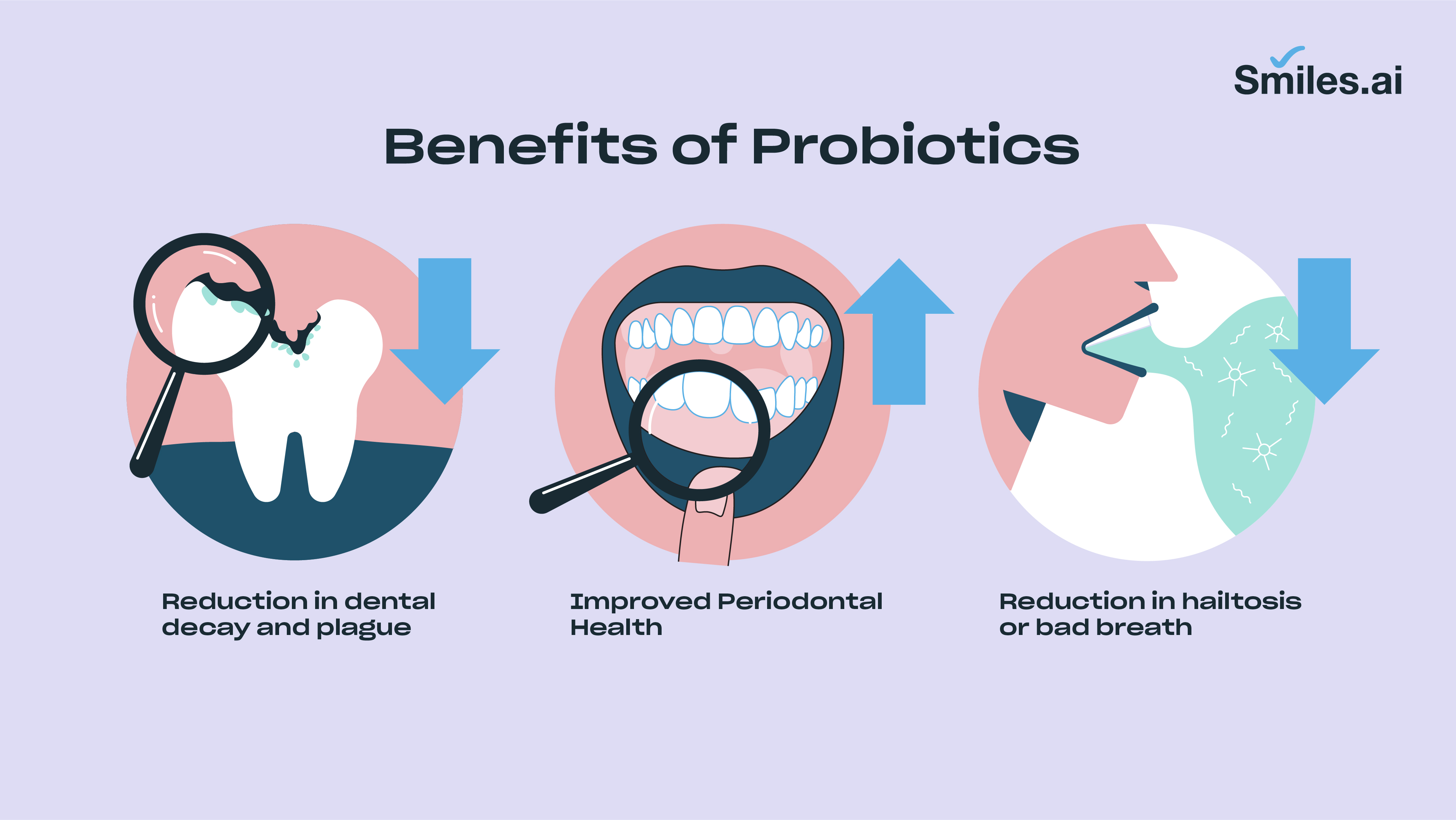
Several studies have reported a reduction in plaque accumulation, gingivitis, and halitosis following probiotic intervention. Some studies have also shown a reduction in the levels of periodontal pathogens, suggesting a potential benefit in preventing or managing periodontitis. However, more large-scale, well-designed randomized controlled trials are needed to definitively establish the clinical efficacy of probiotics for oral care in older adults.
Challenges and Limitations
Despite the promising potential of probiotics, several challenges and limitations need to be addressed:
- Lack of standardized protocols: The lack of standardized protocols for probiotic selection, dosage, and administration makes it difficult to compare results across different studies.
- Variability in efficacy: The efficacy of probiotics can vary depending on several factors, including the probiotic strain, the individual's microbiome, and the presence of other comorbidities.
- Potential adverse effects: Although generally considered safe, probiotics can cause adverse effects in some individuals, such as gastrointestinal discomfort or allergic reactions.
- Cost-effectiveness: The cost-effectiveness of probiotic therapy needs further investigation to assess its feasibility for widespread implementation.
Future Directions
Future research should focus on addressing these limitations and expanding our understanding of the mechanisms of action and clinical efficacy of probiotics for oral care in older adults. This includes:
- Conducting large-scale, well-designed randomized controlled trials to evaluate the efficacy of specific probiotic strains in various oral conditions.
- Developing standardized protocols for probiotic selection, dosage, and administration.
- Investigating the potential synergistic effects of combining probiotics with other oral care interventions.
- Assessing the long-term safety and cost-effectiveness of probiotic therapy.
In conclusion, probiotics hold promise as an adjunctive therapy to improve oral health in older adults by modulating the oral microbiome and enhancing the host's immune response. However, more robust clinical evidence is needed to establish their efficacy and optimal application. Future research should focus on addressing the existing limitations and exploring the full potential of probiotics in this vulnerable population, leading to improved oral health outcomes and enhancing the overall quality of life for older adults.

0 comments:
Post a Comment
Note: Only a member of this blog may post a comment.