Monday, January 27, 2025
Why Cranberries Should Be Part of Your Dental Care Routine
Cranberries: A Novel Adjunct to Oral Hygiene
Maintaining optimal oral health is paramount for overall well-being. While diligent brushing and flossing form the cornerstone of any effective dental care routine, exploring complementary strategies can significantly enhance preventative measures and contribute to a healthier, more vibrant smile. This article will delve into the emerging scientific evidence supporting the inclusion of cranberries in one's dental care regimen, highlighting their unique properties and potential benefits in combating oral pathogens and promoting gum health.
The Antimicrobial Properties of Cranberries
Cranberries have long been recognized for their potent antimicrobial properties, largely attributed to their high concentration of A-type proanthocyanidins (PACs). These polyphenols are unique to cranberries and possess a remarkable ability to inhibit the adhesion of bacteria to surfaces, a crucial step in the formation of dental plaque and the development of various oral diseases.
Inhibition of Bacterial Adhesion
Unlike many other antimicrobial agents that directly kill bacteria, PACs primarily function by preventing bacterial colonization. They achieve this by interfering with the bacterial surface proteins involved in adherence, effectively preventing bacteria like Streptococcus mutans, a primary culprit in tooth decay, from attaching to tooth enamel. This mechanism of action is particularly significant as it disrupts the initial stages of biofilm formation, thereby hindering the progression of dental caries and periodontal disease.
Synergistic Effects with Other Oral Hygiene Practices
It's crucial to understand that cranberry consumption should be considered a complementary strategy, not a replacement for established oral hygiene practices. The efficacy of cranberries in preventing oral diseases is significantly enhanced when combined with regular brushing, flossing, and professional dental cleanings. These combined efforts create a multi-pronged approach, maximizing the prevention and treatment of oral pathologies.
Cranberries and the Prevention of Dental Caries
Dental caries, or tooth decay, is a prevalent oral disease characterized by the demineralization of tooth enamel caused by the acids produced by cariogenic bacteria. Cranberries' ability to inhibit the adhesion of S. mutans, a key player in caries development, makes them a promising preventative agent.
Mechanism of Action in Caries Prevention
The PACs in cranberries prevent S. mutans from adhering to the tooth surface, reducing the bacterial population and, consequently, the amount of acid produced. This reduction in acid production minimizes the demineralization process, thus protecting tooth enamel from decay. Studies have shown a correlation between cranberry consumption and reduced caries incidence, particularly in high-risk individuals.
Supporting Evidence from Clinical Trials
While more extensive research is ongoing, several studies have demonstrated the positive effects of cranberry consumption on oral health. These trials have employed various methodologies, including measuring salivary levels of S. mutans, analyzing plaque composition, and assessing caries prevalence in study participants. Results, while not universally conclusive due to variations in study design and sample sizes, generally suggest a beneficial role for cranberries in caries prevention.
Cranberries and Periodontal Disease
Periodontal disease, encompassing gingivitis and periodontitis, is an inflammatory condition affecting the gums and supporting structures of the teeth. It's characterized by plaque accumulation, gingival inflammation, and, in advanced stages, bone loss and tooth loss. Cranberries' antimicrobial properties extend to the prevention and management of periodontal disease.
Impact on Gingival Health
The anti-adhesive properties of cranberry PACs not only target S. mutans but also affect other oral bacteria implicated in periodontal disease, such as Porphyromonas gingivalis and Aggregatibacter actinomycetemcomitans. By reducing bacterial colonization, cranberries contribute to a healthier gingival environment, mitigating inflammation and reducing the risk of periodontal disease progression.
Reducing Gingival Bleeding and Inflammation
Several studies have investigated the impact of cranberry consumption on gingival bleeding and inflammation. Preliminary findings suggest that regular cranberry intake may lead to a reduction in gingival bleeding, a common symptom of gingivitis, and a decrease in inflammatory markers associated with periodontal disease. These results suggest a potential role for cranberries in improving gingival health and reducing the severity of periodontal disease.
Methods of Cranberry Incorporation into Dental Care
Integrating cranberries into a dental care routine can be achieved through various methods, each offering unique benefits and considerations:
- Cranberry Juice: While offering convenience, excessive consumption of cranberry juice can lead to enamel erosion due to its acidity. Diluting the juice with water and limiting intake can mitigate this risk.
- Cranberry Tablets or Capsules: These offer a controlled dosage of cranberry extract, eliminating the potential drawbacks associated with high acidity levels. Always choose reputable brands with standardized extracts to ensure consistent quality and efficacy.
- Cranberry-Infused Mouthwash: While not widely available commercially, some individuals incorporate cranberry extract into homemade mouthwashes. It is crucial to ensure the formulation is safe for oral use and does not disrupt the natural oral pH balance.
- Fresh or Dried Cranberries: Consuming fresh or dried cranberries as part of a balanced diet offers a naturally occurring source of PACs and other beneficial nutrients. Moderation is essential due to the sugar content of dried cranberries.
Conclusion: A Promising Addition to Oral Health Strategies
The emerging evidence supports the inclusion of cranberries as a complementary strategy in maintaining optimal oral health. Their unique ability to inhibit bacterial adhesion, coupled with their potential anti-inflammatory effects, positions them as a valuable adjunct to established oral hygiene practices. While more large-scale, long-term clinical trials are necessary to fully elucidate their efficacy, the existing data strongly suggest that cranberries can play a significant role in preventing and managing dental caries and periodontal disease. However, it is essential to remember that cranberries should be viewed as a complement to, not a replacement for, standard oral hygiene practices, such as regular brushing, flossing, and professional dental cleanings. A holistic approach encompassing proper oral hygiene and strategic cranberry consumption offers the most comprehensive strategy for maintaining a healthy and vibrant smile.

Home Remedies vs. Professional Treatments: What You Need to Know

Home Remedies vs. Professional Treatments: What You Need to Know
We all face health challenges, from minor aches and pains to more serious conditions. When faced with an ailment, many of us first turn to readily available home remedies. Grandmother's secret cough syrup or a soothing herbal tea might seem appealing, offering a natural and often cost-effective solution. However, understanding the limitations of home remedies and the advantages of professional medical treatments is crucial for making informed decisions about your health. This article explores the key differences, helping you navigate the choices wisely.
The Allure of Home Remedies
Home remedies hold a certain charm. They often tap into traditional wisdom, passed down through generations. The perceived naturalness and lack of potentially harsh chemicals can be reassuring. Many home remedies do offer relief for mild symptoms. A warm compress, for example, can soothe muscle aches, and a saltwater rinse can temporarily alleviate a sore throat. These simple approaches can be effective for minor inconveniences, providing temporary comfort and potentially preventing a minor ailment from escalating. They often require readily available ingredients, making them convenient and economical.
When Home Remedies Might Suffice
Consider home remedies for conditions like:
- Minor cuts and scrapes: Applying antiseptic and a bandage.
- Mild headaches: Rest, hydration, and over-the-counter pain relievers (always following package instructions).
- Sore throats: Rest, hydration, and gargling with warm salt water.
- Constipation: Increasing fiber intake and drinking plenty of water.
- Muscle soreness: Applying a warm compress or taking a warm bath.
Remember: Even for these minor issues, if symptoms worsen or persist, seek professional medical advice.
The Importance of Professional Medical Treatments
While home remedies can provide temporary relief, they are not a substitute for professional medical care. Serious health conditions require the expertise of trained professionals. Doctors and other healthcare providers possess the knowledge, tools, and experience to accurately diagnose illnesses, develop effective treatment plans, and monitor progress. They can perform necessary tests, such as blood work or imaging scans, to pinpoint the root cause of your problem, something home remedies simply can't do.
Situations Demanding Professional Care
Never attempt to self-treat conditions like:
- Severe infections: Untreated infections can lead to serious complications.
- Chronic illnesses: Conditions like diabetes or heart disease require ongoing monitoring and specialized treatment.
- Persistent pain: Ongoing pain can indicate an underlying health problem.
- High fever: A high fever can signify a serious infection.
- Unexplained symptoms: If you experience symptoms you can't explain, seek medical attention.
Ignoring serious symptoms can have severe consequences, delaying critical treatment and potentially worsening your condition.
Finding the Right Balance
The ideal approach often involves a thoughtful combination of home remedies and professional medical care. For mild, temporary discomforts, home remedies can provide quick, convenient relief. However, for persistent or serious health issues, professional medical treatment is essential for accurate diagnosis, effective treatment, and monitoring your health. Always consult with your doctor before starting any new treatment, including home remedies, especially if you are taking other medications or have pre-existing health conditions. Open communication with your healthcare provider ensures the best possible outcome for your health.
Say Goodbye to Gum Problems with Effective Natural Solutions

Say Goodbye to Gum Problems with Effective Natural Solutions
Gum disease, or periodontal disease, affects a significant portion of the adult population worldwide. Characterized by inflammation and infection of the gums and supporting structures of the teeth, it can lead to a range of serious consequences, including tooth loss, bone loss, and even systemic health problems. While conventional treatments exist, many individuals seek natural alternatives to manage and prevent gum disease. This article explores a comprehensive range of effective natural solutions, emphasizing their mechanisms of action and potential benefits, while acknowledging the importance of professional dental care.
Understanding the Root of the Problem: The Etiology of Gum Disease
Periodontal disease is primarily caused by the accumulation of bacterial plaque on the teeth and gums. This plaque, a sticky film composed of bacteria, food particles, and saliva, irritates the gum tissues, leading to gingivitis, the initial stage of gum disease. If left untreated, gingivitis can progress to periodontitis, a more severe form characterized by inflammation, bone loss, and potential tooth loss. Several factors contribute to the development and progression of gum disease, including:
- Poor oral hygiene: Inadequate brushing and flossing allow plaque to accumulate, providing a breeding ground for harmful bacteria.
- Genetics: Certain individuals are genetically predisposed to developing more severe forms of gum disease.
- Systemic diseases: Conditions such as diabetes and cardiovascular disease can increase the risk and severity of gum disease.
- Smoking: Smoking significantly impairs the body's ability to heal and fight infection, exacerbating gum disease.
- Hormonal changes: Fluctuations in hormone levels, particularly during pregnancy and puberty, can increase susceptibility to gum disease.
- Stress: Chronic stress can weaken the immune system, making individuals more vulnerable to infections, including gum disease.
Natural Approaches to Combating Gum Disease
While professional dental care remains crucial for the diagnosis and treatment of gum disease, several natural remedies can complement conventional approaches and promote gum health. It is imperative to understand that these natural solutions should be considered supportive therapies and not replacements for professional dental care.
Oral Hygiene Practices
The cornerstone of preventing and managing gum disease is meticulous oral hygiene. This includes:
- Brushing: Brushing twice daily with a fluoride toothpaste for at least two minutes using gentle, circular motions. Choose a soft-bristled toothbrush to avoid damaging gums.
- Flossing: Flossing at least once daily to remove plaque and food particles from between the teeth and along the gumline.
- Interdental brushes: Using interdental brushes, or "proxy brushes," to clean areas that are difficult to reach with floss.
- Tongue scraping: Removing bacteria and debris from the tongue surface, which can contribute to bad breath and oral infections.
Therapeutic Herbs and Oils
Several herbs and essential oils possess antimicrobial and anti-inflammatory properties that may be beneficial in managing gum disease. However, it's crucial to use these with caution and avoid ingesting them unless under the guidance of a healthcare professional. Examples include:
- Tea tree oil: Possesses strong antimicrobial properties and can be diluted and applied topically to the gums, but should be used sparingly due to its potential for irritation.
- Myrrh: An ancient remedy known for its anti-inflammatory and antiseptic properties. It is often found in mouthwashes and topical treatments.
- Aloe vera: Known for its soothing and anti-inflammatory effects, aloe vera gel can help reduce gum inflammation.
- Clove oil: Contains eugenol, a potent antimicrobial agent that can relieve pain and inflammation in the gums. However, it can be irritating if used undiluted.
Note: It's crucial to perform a patch test before applying any essential oil to the gums to check for allergic reactions. Always dilute essential oils with a carrier oil, such as coconut oil, before topical application.
Dietary Modifications
Nutrition plays a significant role in overall health, including oral health. A balanced diet rich in fruits, vegetables, and whole grains supports a healthy immune system and reduces inflammation. Foods high in antioxidants, such as berries and leafy greens, can help combat oxidative stress, which contributes to gum disease. Limiting sugary and processed foods is also crucial, as they feed the bacteria that cause plaque formation. Adequate intake of vitamin C and vitamin D is also beneficial for maintaining strong gums and a healthy immune system.
Lifestyle Changes
Several lifestyle modifications can significantly impact gum health. These include:
- Quitting smoking: Smoking significantly increases the risk and severity of gum disease. Quitting is one of the most important steps in improving oral health.
- Managing stress: Chronic stress weakens the immune system, increasing susceptibility to infection. Practicing stress-reduction techniques, such as yoga, meditation, or deep breathing exercises, can be beneficial.
- Regular exercise: Regular physical activity enhances overall health and strengthens the immune system, contributing to better gum health.
The Importance of Professional Dental Care
While natural remedies can play a supportive role in managing gum disease, they are not a substitute for professional dental care. Regular dental checkups and cleanings are crucial for early detection and effective treatment of gum disease. A dentist can perform a thorough examination, diagnose the extent of the disease, and recommend appropriate treatment options, including professional cleaning (scaling and root planing), antibiotics, or surgical interventions if necessary.
Early intervention is key. Addressing gum disease in its early stages can prevent its progression and minimize potential complications. Ignoring gum disease can lead to irreversible damage, including tooth loss and bone loss, highlighting the importance of both natural preventive measures and professional dental care.
In conclusion, maintaining optimal gum health requires a holistic approach that encompasses meticulous oral hygiene, a healthy lifestyle, and regular professional dental checkups. While natural remedies can offer additional support, they should be considered complementary therapies, not replacements for professional guidance and treatment. By embracing a proactive and comprehensive strategy, individuals can effectively combat gum problems and enjoy a lifetime of healthy smiles.
How to Maintain Oral Hygiene Holistically with Natural Remedies

Maintaining Optimal Oral Hygiene Holistically with Natural Remedies
Maintaining optimal oral hygiene is paramount for overall health and well-being. While conventional approaches often rely on commercially produced products, a holistic perspective integrates natural remedies and lifestyle choices to achieve and sustain exceptional oral health. This approach considers the interconnectedness of oral health with systemic health, emphasizing preventative measures and natural therapies to address oral concerns. This article explores a comprehensive, holistic approach to oral hygiene utilizing natural remedies.
The Foundation: Dietary Modifications for Oral Health
The cornerstone of holistic oral hygiene lies in nutrition. A diet rich in specific nutrients directly impacts the strength and resilience of teeth and gums. Conversely, a diet lacking in essential vitamins and minerals, or one high in processed sugars and acidic foods, significantly increases the risk of dental caries and gum disease.
Nutrient-Rich Foods for Strong Teeth and Gums
Calcium is crucial for building and maintaining strong tooth enamel. Excellent sources include dairy products (yogurt, cheese, milk), leafy green vegetables (kale, spinach), and fortified plant-based milks. Phosphorus works synergistically with calcium in tooth mineralization. Foods rich in phosphorus include fish, meat, poultry, and legumes. Vitamin D aids in calcium absorption, and good sources include fatty fish, egg yolks, and fortified foods. Vitamin K2 directs calcium to the bones and teeth, rather than soft tissues, minimizing the risk of calcification. Leafy greens, fermented foods, and some cheeses provide this crucial vitamin. Vitamin A promotes healthy gum tissue and saliva production, found abundantly in sweet potatoes, carrots, and dark leafy greens. Magnesium supports overall oral health and can be obtained from nuts, seeds, and legumes.
Foods to Minimize or Avoid
Conversely, certain foods and beverages can significantly harm oral health. Sugary drinks and snacks fuel the growth of oral bacteria, leading to increased acid production and enamel erosion. Acidic foods and beverages, such as citrus fruits, sodas, and sports drinks, can also weaken tooth enamel, increasing susceptibility to decay. Processed foods, often lacking in essential nutrients, contribute to an imbalanced oral microbiome, potentially leading to inflammation and disease. Regular consumption of these items should be minimized or avoided entirely for optimal oral hygiene.
Natural Remedies for Oral Hygiene
While proper nutrition forms the foundation, various natural remedies complement dietary changes to enhance oral hygiene.
Oil Pulling
Oil pulling, an ancient Ayurvedic technique, involves swishing oil in the mouth for several minutes to remove bacteria and toxins. Coconut oil is a popular choice due to its antimicrobial properties. This practice is believed to improve oral health by reducing plaque and gingivitis. It is important to note that further research is needed to establish its efficacy definitively.
Herbal Mouthwashes
Several herbs possess antimicrobial and anti-inflammatory properties beneficial for oral health. Sage, known for its astringent properties, can help reduce inflammation and bleeding gums. Myrrh exhibits antimicrobial effects against oral pathogens. Peppermint offers refreshing properties and can soothe irritated gums. These herbs can be brewed into a tea and used as a mouthwash. However, it's crucial to remember that these are not substitutes for professional dental care.
Natural Toothpastes and Powders
Many natural toothpastes and powders are available, often featuring ingredients like baking soda, activated charcoal, and various herbs. Baking soda acts as a mild abrasive, helping remove surface stains and plaque. Activated charcoal has adsorbent properties, binding to toxins and removing stains. However, it's crucial to use these cautiously, as excessive abrasive action can damage tooth enamel. Always consult your dentist before using these methods.
Homemade Toothpaste Recipe (Example):
A simple homemade toothpaste can be created by combining:
- 2 tablespoons of baking soda
- 1 tablespoon of coconut oil
- A few drops of essential oil (peppermint or tea tree)
Importance of Proper Brushing and Flossing Techniques
Regardless of dietary choices and natural remedies employed, maintaining meticulous brushing and flossing techniques remains crucial. Improper brushing can lead to gum recession and enamel erosion, while neglecting flossing allows bacterial buildup between teeth.
Brushing Technique
Use a soft-bristled toothbrush and gentle, circular motions. Brush each tooth surface thoroughly, including the gum line. Brush for at least two minutes, twice a day.
Flossing Technique
Floss at least once daily to remove food particles and plaque from between teeth and along the gum line. Use a gentle sawing motion to avoid damaging the gums.
Addressing Specific Oral Health Concerns Naturally
While preventative measures are paramount, some individuals may require addressing specific oral health issues. Natural remedies may offer supportive care, but professional dental care is often necessary for diagnosis and treatment of these conditions.
Canker Sores
Rinsing with warm salt water can help soothe canker sores and promote healing. Applying a small amount of aloe vera gel directly to the sore may also provide relief.
Gingivitis
Gingivitis, characterized by gum inflammation, may respond positively to improved oral hygiene, a balanced diet, and the use of herbal mouthwashes with anti-inflammatory properties. However, persistent or severe gingivitis necessitates professional dental intervention.
Sensitive Teeth
Desensitizing toothpaste containing potassium nitrate can help reduce sensitivity. Avoiding acidic foods and drinks and using a soft-bristled toothbrush can also alleviate discomfort.
Conclusion
Maintaining optimal oral hygiene holistically requires a multifaceted approach encompassing dietary modifications, natural remedies, and diligent oral care practices. While natural remedies can complement conventional approaches, they should not replace professional dental care. Regular dental checkups and cleanings are essential for early detection and treatment of any oral health issues. By integrating these principles, individuals can achieve and maintain a healthy, radiant smile and contribute to their overall well-being.
Probiotics for Natural Bad Breath Solutions and Oral Freshness
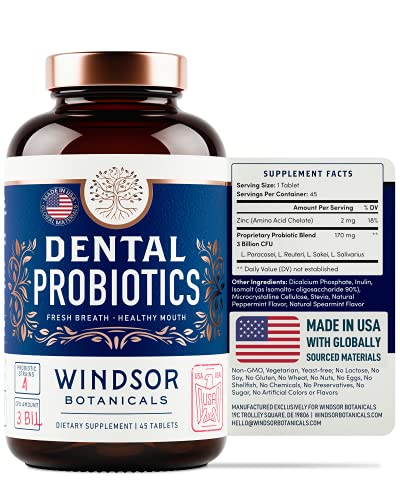
Kiss Bad Breath Goodbye: The Probiotic Powerhouse for Oral Freshness
Let's be honest, nobody wants bad breath. It's embarrassing, it can affect your confidence, and it can even damage your relationships. While brushing and flossing are essential, sometimes you need a little extra help to conquer that persistent morning breath or that lingering garlic aroma after a delicious dinner. Enter the amazing world of probiotics â€" the tiny microscopic superheroes that might just be the secret weapon in your fight for fresh breath!
Before we dive in, let's clarify something: bad breath, or halitosis, isn't just about poor hygiene. While neglecting your oral care is a major culprit, many other factors can contribute, including diet, certain medical conditions, and even the balance of bacteria in your mouth. This is where probiotics come in. They can help restore that crucial balance, leading to a healthier mouth and, you guessed it, fresher breath!
Understanding the Bacterial Battlefield in Your Mouth
Your mouth is a bustling ecosystem. Millions of bacteria call it home, and the kind of bacteria dominating that ecosystem can significantly impact your breath. Some bacteria are perfectly harmless, even beneficial. Others, however, produce volatile sulfur compounds (VSCs) â€" the stinky culprits behind bad breath. These compounds smell like rotten eggs or garbage, and nobody wants that!
Traditionally, we've tackled bad breath with harsh chemicals that often disrupt the entire oral microbiome â€" killing both good and bad bacteria. This can actually backfire, creating an imbalance that allows the bad bacteria to thrive even more! Probiotics offer a gentler, more sustainable approach. They work by:
- Introducing beneficial bacteria: Probiotics introduce “good†bacteria to outcompete the bad, smelly ones.
- Improving overall oral health: A healthier mouth is less hospitable to odor-causing bacteria.
- Reducing inflammation: Inflammation in the gums (gingivitis) can contribute to bad breath; probiotics can help reduce this inflammation.
How Probiotics Work Their Magic for Fresh Breath
Think of your mouth as a garden. If you let weeds (bad bacteria) take over, you'll have a smelly, unhealthy garden. Probiotics are like planting beneficial flowers and herbs (good bacteria) that crowd out the weeds, making the garden (your mouth) smell fresh and vibrant. These beneficial bacteria produce substances that inhibit the growth of VSC-producing bacteria, effectively reducing the bad breath.
Specific strains of probiotics have shown promise in improving oral health and reducing bad breath. Some of the most researched include:
- Lactobacillus reuteri
- Lactobacillus salivarius
- Streptococcus salivarius K12
Beyond the Bacteria: Other Benefits of Probiotics for Oral Health
The benefits of probiotics extend beyond just fresh breath. They can also contribute to:
- Improved gum health: Reduced inflammation and bleeding gums.
- Stronger teeth: Enhanced enamel strength and reduced risk of cavities.
- A healthier immune system in the mouth: Boosting your body's natural defenses against oral infections.
Finding the Right Probiotic for You
The probiotic market can be overwhelming, with countless products promising miraculous results. When choosing a probiotic for oral health, consider the following:
- Strain specificity: Look for products containing strains like L. reuteri, L. salivarius, or S. salivarius K12.
- CFU count: Colony-forming units (CFU) indicate the number of live bacteria in the product. Higher CFUs generally mean a more potent product, though this isn't always the case. Look for a product with a high CFU count that is still within a safe and effective range.
- Formulation: Probiotics come in various forms, including capsules, tablets, lozenges, and even oral rinses. Choose a form that suits your preference and lifestyle.
- Reputable brand: Choose a reputable brand that provides third-party testing to verify the quality and potency of their products.
It's always a good idea to consult your dentist or doctor before starting any new supplement regimen, especially if you have pre-existing health conditions or are taking medications.
Beyond Probiotics: A Holistic Approach to Fresh Breath
While probiotics can be a powerful tool, they're most effective when combined with a comprehensive oral hygiene routine. This includes:
- Brushing twice a day: Use a fluoride toothpaste and proper brushing technique.
- Flossing daily: Remove food particles and plaque from between your teeth.
- Regular dental checkups: Professional cleanings are essential for maintaining optimal oral health.
- Hydration: Drinking plenty of water helps wash away food particles and bacteria.
- Dietary changes: Limit consumption of strong-smelling foods and sugary drinks.
Commonly Asked Questions
Q: How long does it take to see results from probiotics for bad breath?
A: Results can vary, but many people notice improvements within a few weeks of consistent use. However, it's essential to maintain regular use for long-term benefits.
Q: Are there any side effects of using probiotics for bad breath?
A: Probiotics are generally safe, but some people may experience mild side effects like gas or bloating, particularly when starting a new supplement. These side effects are usually temporary and subside as your body adjusts.
Q: Can I use probiotics alongside other bad breath remedies?
A: Yes, probiotics can be used in conjunction with other oral hygiene practices and remedies. They work best as part of a holistic approach to oral health.
Q: What if probiotics don't improve my bad breath?
A: If you've tried probiotics and haven't seen improvement in your bad breath, it's crucial to consult your dentist or doctor. Persistent bad breath can sometimes indicate an underlying medical condition that requires professional attention.
Remember, fresh breath is achievable! By combining the power of probiotics with good oral hygiene habits, you can significantly improve your oral health and confidence. So, take charge of your breath and embrace the probiotic revolution for a healthier, fresher smile!
How Probiotics Can Help You Maintain Strong Teeth and Healthy Gums
The Synergistic Role of Probiotics in Maintaining Oral Health
Maintaining optimal oral health is paramount for overall well-being. While diligent brushing and flossing are cornerstones of a robust oral hygiene regimen, emerging research highlights the significant contribution of probiotics in strengthening teeth and promoting healthy gums. This article delves into the multifaceted mechanisms through which probiotics contribute to oral health, exploring their impact on the oral microbiome, their potential for preventing and treating periodontal diseases, and their broader implications for maintaining a healthy mouth.
Understanding the Oral Microbiome and its Dysbiosis
The human mouth harbors a complex and dynamic ecosystem of microorganisms, collectively known as the oral microbiome. This intricate community comprises bacteria, fungi, viruses, and archaea, existing in a delicate balance. A healthy oral microbiome is characterized by a diverse array of microbial species, preventing the overgrowth of pathogenic bacteria that can lead to dental caries (tooth decay) and periodontal diseases (gum disease).
The Role of Dysbiosis in Oral Disease
When this delicate balance is disrupted, a condition known as dysbiosis occurs. Dysbiosis is characterized by a shift in the microbial composition, resulting in the dominance of harmful bacteria. This imbalance can trigger a cascade of events that lead to various oral diseases. For example, an increase in acidogenic bacteria, such as Streptococcus mutans, contributes to the demineralization of tooth enamel, culminating in dental caries. Similarly, the proliferation of periodontopathic bacteria, including Porphyromonas gingivalis and Aggregatibacter actinomycetemcomitans, is strongly associated with the development and progression of periodontitis.
The Mechanisms of Probiotic Action in Oral Health
Probiotics, defined as live microorganisms that confer a health benefit on the host when administered in adequate amounts, offer a promising avenue for restoring and maintaining a healthy oral microbiome. Their beneficial effects are mediated through several mechanisms:
Competitive Exclusion and Inhibition of Pathogens
Probiotics exert their protective effects, in part, by competitively excluding pathogenic bacteria. They achieve this by competing for adhesion sites on the tooth surface and mucosal lining, thereby preventing the colonization and proliferation of harmful species. Furthermore, certain probiotics produce antimicrobial substances, such as bacteriocins, that directly inhibit the growth and survival of pathogenic bacteria, further contributing to the suppression of dysbiosis.
Modulation of the Immune Response
Beyond their direct antimicrobial effects, probiotics also modulate the host's immune response. They interact with immune cells, such as dendritic cells and macrophages, influencing the production of cytokines and other immune mediators. This modulation can contribute to both the prevention and treatment of inflammatory oral diseases. By reducing inflammation, probiotics can alleviate the symptoms of gingivitis and periodontitis, ultimately promoting tissue repair and regeneration.
Enhancing Saliva Production and Buffering Capacity
Some probiotic strains have been shown to stimulate saliva production. Saliva plays a critical role in maintaining oral health by neutralizing acids, removing food debris, and providing a protective layer against bacterial colonization. Increased saliva flow enhances the mouth's natural cleansing mechanism, reducing the risk of both caries and periodontal diseases. Moreover, certain probiotics can contribute to enhancing the buffering capacity of saliva, further mitigating the detrimental effects of acid produced by cariogenic bacteria.
Probiotic Strains with Demonstrated Oral Health Benefits
While numerous probiotic strains have shown promise in preclinical and clinical studies, some have demonstrated more significant effects on oral health. These include:
- Lactobacillus reuteri: This strain has demonstrated efficacy in reducing plaque formation and gingivitis.
- Lactobacillus rhamnosus: Studies suggest its potential for inhibiting the growth of Streptococcus mutans and reducing dental caries.
- Weissella cibaria: This strain has shown promising results in reducing the severity of periodontal diseases.
- Streptococcus salivarius K12: This strain has demonstrated a capacity to inhibit the growth of various oral pathogens.
It is important to note that the efficacy of probiotics can vary depending on the specific strain, dosage, and formulation. Further research is needed to fully elucidate the optimal strains and delivery methods for maximizing their therapeutic benefits.
Clinical Evidence and Applications of Probiotics in Oral Health
While the research is still ongoing, a growing body of evidence supports the use of probiotics in the management of oral diseases. Several clinical trials have demonstrated the efficacy of probiotic interventions in reducing plaque accumulation, gingivitis, and periodontal inflammation. These studies have employed various delivery methods, including chewing gums, lozenges, mouthwashes, and even probiotic-containing toothpaste. The results have been generally encouraging, indicating that probiotics can be a valuable adjunct to conventional oral hygiene practices.
Probiotics as a Preventative Measure
Probiotics offer a promising preventative approach to oral diseases. By maintaining a balanced oral microbiome, probiotics can reduce the risk of caries and periodontal diseases, contributing to long-term oral health. Regular consumption of probiotic-containing foods or supplements may serve as a preventative strategy, especially for individuals at high risk of developing oral diseases.
Probiotics as an Adjunctive Therapy
Probiotics can also be used as an adjunctive therapy in the management of existing oral diseases. They can complement conventional treatments, such as scaling and root planing for periodontitis, potentially enhancing their effectiveness and reducing the need for more aggressive interventions. Furthermore, probiotics can aid in the healing process by promoting tissue regeneration and reducing inflammation.
Future Directions and Concluding Remarks
The field of probiotic research in oral health is rapidly evolving. Further studies are needed to fully understand the mechanisms of action, identify optimal strains and formulations, and establish clear clinical guidelines for their application. Personalized approaches, considering individual variations in the oral microbiome and susceptibility to oral diseases, are likely to play an increasingly important role in the future. Nonetheless, the existing evidence strongly suggests that probiotics represent a promising and valuable tool in the arsenal of oral health maintenance and disease management. Integrating probiotics into a comprehensive oral hygiene regimen, alongside regular brushing, flossing, and professional dental care, can contribute to a healthier mouth and improve overall well-being.
Disclaimer: This article is for informational purposes only and should not be considered medical advice. Consult with a qualified healthcare professional or dentist before making any decisions related to your oral health or the use of probiotics.
Sunday, November 24, 2024
How to Support Your Oral Microbiome When You're on a Vegan Diet

Keeping Your Mouth Happy: Vegan Diets & Oral Health
Hey everyone! So you're rocking a vegan lifestyle, which is awesome! But you might be wondering, "What about my teeth? Is my vegan diet messing with my mouth's happy little ecosystem?" Don't worry, it doesn't have to! Your oral microbiome (that's the community of bacteria, fungi, and other microorganisms living in your mouth) plays a huge role in your overall oral health. A healthy mouth means fewer cavities, less gum disease, and a brighter smile. This guide will walk you through how to keep your oral microbiome thriving while enjoying all the deliciousness of a vegan diet.Understanding Your Oral Microbiome
Think of your mouth as a bustling city. It's teeming with life â€" millions of microorganisms! Some are good guys, helping to protect against harmful bacteria and even boosting your immune system. Others, well, they're the troublemakers, leading to cavities and gum disease. A balanced microbiome, with more good guys than bad, is key to a healthy mouth. And guess what? Your diet significantly influences this delicate balance.The Good, the Bad, and the…Mostly Neutral
* The Good Guys: These beneficial bacteria produce antimicrobial substances, help maintain a healthy pH balance in your mouth, and even compete with bad bacteria for resources. * The Bad Guys: These are the cavity-causing culprits. They produce acids that erode tooth enamel, leading to cavities. They also contribute to gum inflammation (gingivitis) and periodontitis (more severe gum disease). * The Mostly Neutral: These microbes are neither helpful nor harmful, existing peacefully alongside the others. Their role is more complex and often depends on the overall environment in your mouth.How a Vegan Diet Can Impact Oral Health â€" Both Positively and Negatively
Vegan diets, when well-planned, can be incredibly beneficial for your overall health, including your oral health. However, some aspects might require extra attention.The Potential Positives
* Lower Sugar Intake (Potentially): Many vegan diets are naturally lower in refined sugars than some omnivorous diets. Sugar feeds the bad bacteria, leading to acid production and tooth decay. So, minimizing sugar intake is a huge win! * Increased Fiber Intake: Fiber-rich fruits, vegetables, and whole grains stimulate saliva production. Saliva is your mouth's natural cleaning agent, washing away food particles and neutralizing acids. Bonus! * Rich in Antioxidants: Many plant-based foods are packed with antioxidants, which help protect cells from damage, including cells in your gums and mouth tissues.The Potential Negatives
* Nutrient Deficiencies (If Not Planned Properly): A poorly planned vegan diet could lead to deficiencies in certain nutrients, like vitamin B12 and calcium, which are crucial for oral health. Vitamin B12 deficiency can affect nerve function, potentially impacting your mouth's sensitivity. Calcium is essential for strong teeth and bones. * Acidic Foods: Some vegan foods, like citrus fruits and tomatoes, can be quite acidic. While they offer great health benefits, frequent consumption of acidic foods can erode tooth enamel over time. * Lack of Vitamin D and K2: Vitamin D and K2 work together to improve the absorption of calcium which can have a positive impact on bone and teeth health.Tips for Supporting Your Vegan Oral Microbiome
Here's how to keep your mouth happy and healthy on a vegan diet:Diet-Specific Strategies
* Prioritize Whole Foods: Focus on whole, unprocessed plant-based foods like fruits, vegetables, legumes, and whole grains. These are generally less likely to stick to your teeth and feed the bad bacteria. * Watch Out for Acidic Foods: Enjoy acidic foods in moderation. Rinse your mouth with water after consuming them to neutralize the acid. * Snack Smartly: Choose healthy snacks like fruits and vegetables over processed vegan snacks that are high in sugar. * Stay Hydrated: Drinking plenty of water helps wash away food particles and keeps your mouth moist, which is important for a healthy microbiome. * Supplement Wisely: Consider taking a B12 supplement and a high-quality vegan calcium supplement, especially if you're concerned about potential deficiencies. Consult your doctor or a registered dietitian to determine the right dosage for you. Also check your vitamin D and K2 levels. * Consume Fermented Foods (in Moderation): Certain fermented foods, like kimchi or sauerkraut, contain beneficial bacteria that may support a balanced oral microbiome. However, remember that acidic foods can erode your teeth and gums. * Limit processed foods and drinks: Most processed foods contain added sugars and other ingredients that are detrimental to your health, including oral health.Oral Hygiene Habits
* Brush Twice Daily: Use a fluoride toothpaste and brush gently for at least two minutes each time. * Floss Daily: Flossing removes food particles and plaque from between your teeth, areas your toothbrush can't reach. * Use an Antimicrobial Mouthwash: Using an antimicrobial mouthwash can help reduce the number of harmful bacteria in your mouth. * Regular Dental Checkups: Schedule regular checkups and cleanings with your dentist to address any issues early on.Commonly Asked Questions
* Q: Will my vegan diet cause bad breath?A: Not necessarily! Bad breath is usually caused by bacteria breaking down food particles in the mouth. Maintaining good oral hygiene is key, regardless of your diet. However, some vegan foods are known to impact breath, so it’s better to maintain a balanced diet and oral hygiene regimen. * Q: Are vegan toothpastes as effective as regular toothpastes?
A: Many vegan toothpastes are just as effective, especially those containing fluoride. Look for ones with the ADA Seal of Acceptance, indicating they meet their standards for safety and effectiveness. * Q: Can I get enough calcium and vitamin D on a vegan diet?
A: Yes, absolutely! Many plant-based foods contain calcium, such as leafy greens and fortified plant milks. However, supplementing with vitamin D is often recommended for vegans, as it’s not readily available in plant sources. Consult your doctor or a registered dietitian to ensure you are getting adequate amounts of these nutrients. * Q: What if I experience bleeding gums on a vegan diet?
A: Bleeding gums can be a sign of gingivitis, an early stage of gum disease. It's important to address this immediately. Improve your oral hygiene routine and schedule a checkup with your dentist. They can determine the cause and recommend appropriate treatment. Remember, a happy, healthy oral microbiome is achievable on a vegan diet, as long as you pay attention to your diet, maintain excellent oral hygiene, and consider supplementing where necessary. Consult your dentist and a registered dietitian if you have any specific concerns!