Sunday, February 2, 2025
The Role of Oral Probiotics in Reducing Bad Bacteria in the Mouth
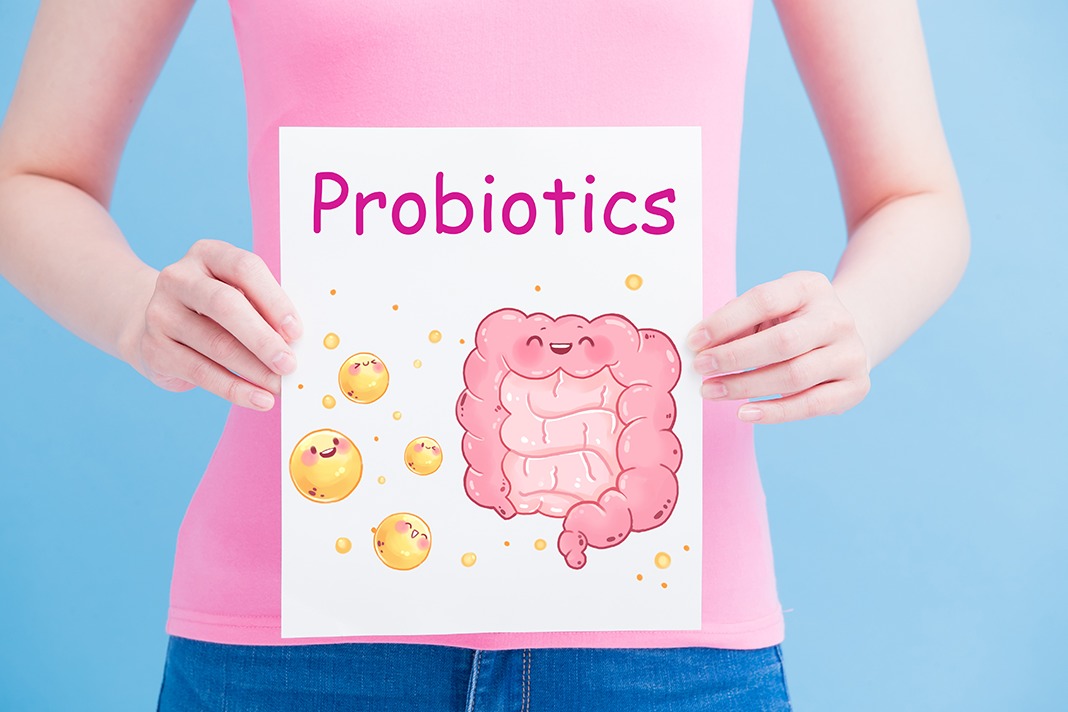
The Role of Oral Probiotics in Reducing Bad Bacteria in the Mouth
The oral cavity, while seemingly a simple space, is a complex ecosystem teeming with a diverse microbial community. This community, referred to as the oral microbiome, comprises a vast array of bacteria, fungi, viruses, and archaea. Maintaining a balanced oral microbiome is crucial for overall oral health, as an imbalance, or dysbiosis, can contribute to various pathologies. Emerging research highlights the potential of oral probiotics – live microorganisms that confer a health benefit on the host when administered in adequate amounts – in modulating the oral microbiome and reducing the prevalence of pathogenic bacteria associated with oral diseases.
Understanding the Oral Microbiome and Dysbiosis
The oral microbiome is remarkably dynamic, exhibiting significant inter-individual and intra-individual variability influenced by factors such as age, diet, hygiene practices, and systemic health conditions. A healthy oral microbiome is characterized by a stable composition and a predominance of commensal bacteria, which contribute to host defense mechanisms and maintain a protective barrier against pathogenic microorganisms. These commensal bacteria produce various antimicrobial substances, compete with pathogens for nutrients and binding sites, and modulate the host immune response to prevent excessive inflammation.
The Role of Pathogenic Bacteria
Conversely, an overgrowth of pathogenic bacteria, such as Streptococcus mutans (contributing significantly to dental caries), Porphyromonas gingivalis (a key player in periodontitis), and Aggregatibacter actinomycetemcomitans (associated with aggressive periodontitis), disrupts the delicate balance of the oral microbiome. This dysbiosis leads to an inflammatory response, tissue damage, and the development of various oral diseases. The unchecked proliferation of these bacteria often outpaces the host's defense mechanisms, resulting in the onset and progression of oral pathologies.
Factors Contributing to Oral Dysbiosis
Several factors can contribute to the disruption of the oral microbiome and the subsequent development of dysbiosis. These include:
- Poor oral hygiene: Inadequate brushing and flossing allow the accumulation of plaque, providing an ideal environment for the proliferation of pathogenic bacteria.
- Dietary habits: A diet high in refined sugars and carbohydrates provides readily available substrates for the growth of cariogenic bacteria, such as S. mutans.
- Systemic diseases: Conditions like diabetes and HIV can impair the immune system, making individuals more susceptible to oral infections.
- Smoking: Smoking alters the composition of the oral microbiome, increasing the risk of periodontal disease and oral cancer.
- Antibiotic use: Broad-spectrum antibiotics can disrupt the balance of the oral microbiome, leading to the overgrowth of resistant pathogens.
The Potential of Oral Probiotics
Oral probiotics offer a promising avenue for modulating the oral microbiome and combating oral diseases. By introducing beneficial bacteria into the oral cavity, probiotics can help restore the balance of the microbial community, thereby reducing the prevalence of pathogenic bacteria and mitigating the risk of oral diseases. The mechanisms by which oral probiotics exert their beneficial effects are multifaceted and include:
Mechanisms of Action
- Competitive exclusion: Probiotic bacteria compete with pathogens for nutrients and attachment sites on the tooth surface and oral mucosa, limiting the growth and colonization of harmful bacteria.
- Production of antimicrobial substances: Many probiotic strains produce bacteriocins, hydrogen peroxide, and organic acids, which inhibit the growth of pathogenic bacteria.
- Modulation of the host immune response: Probiotics can interact with the host immune system, stimulating the production of antimicrobial peptides and enhancing the overall immune defense against pathogens.
- Enhancement of the host's natural defenses: Some probiotics may reinforce the natural protective mechanisms of the host, such as saliva production and the integrity of the oral mucosa.
Specific Probiotic Strains and Their Applications
Numerous probiotic strains have demonstrated potential in reducing oral pathogens. Lactobacillus species, such as Lactobacillus rhamnosus GG and Lactobacillus salivarius, have been extensively studied for their efficacy in preventing and treating various oral diseases. Streptococcus salivarius K12 is another promising probiotic strain, known for its ability to inhibit the growth of S. mutans. These strains are often incorporated into various delivery systems, including chewing gums, lozenges, and mouthwashes, to ensure optimal colonization and efficacy.
Evidence from Clinical Studies
While the research on oral probiotics is still evolving, several clinical trials have shown promising results. Studies have reported significant reductions in plaque scores, gingivitis, and halitosis in individuals using oral probiotic products. Furthermore, some studies have demonstrated a decrease in the levels of pathogenic bacteria, such as S. mutans and P. gingivalis, in individuals supplemented with oral probiotics. However, it is important to note that the results vary depending on the probiotic strain, the dosage, the duration of treatment, and the study design. Further, large-scale, well-designed randomized controlled trials are necessary to confirm these findings and establish definitive guidelines for the clinical application of oral probiotics.
Challenges and Future Directions
Despite the promising potential of oral probiotics, several challenges remain. One major challenge lies in the delivery of live probiotic bacteria to the oral cavity in sufficient numbers and maintaining their viability during storage and administration. Furthermore, the optimal probiotic strain or combination of strains for specific oral diseases needs further investigation. Standardization of probiotic products is crucial to ensure quality control and consistent efficacy. Future research should focus on:
- Identifying novel probiotic strains with enhanced efficacy against specific oral pathogens.
- Developing innovative delivery systems to ensure optimal colonization and viability of probiotics in the oral cavity.
- Conducting large-scale, well-designed clinical trials to evaluate the long-term effects and safety of oral probiotics.
- Investigating the interactions between oral probiotics and other factors, such as diet, lifestyle, and systemic health conditions.
- Exploring the potential of combining oral probiotics with other therapeutic approaches, such as antimicrobial agents and periodontal surgery, to enhance treatment outcomes.
In conclusion, oral probiotics represent a promising approach to modulating the oral microbiome and reducing the prevalence of pathogenic bacteria associated with oral diseases. While further research is needed to fully elucidate their efficacy and to establish clear clinical guidelines, the available evidence suggests that oral probiotics could play a significant role in improving oral health and preventing oral diseases. Continued research and development in this field are crucial to fully harness the potential of oral probiotics for maintaining a healthy oral ecosystem.

Using Probiotics as a Natural Solution for Gum Health and Hygiene

Harnessing the Power of Probiotics for Optimal Gum Health
For centuries, humans have sought natural solutions for maintaining optimal health, and oral hygiene is no exception. While traditional methods remain important, exciting advancements in the field of probiotics are offering a compelling, natural approach to bolstering gum health and hygiene. This article explores the fascinating world of probiotics and their potential to revolutionize how we care for our gums, offering a powerful alternative or complement to conventional treatments.
Understanding the Oral Microbiome and its Impact on Gum Health
Your mouth teems with a complex ecosystem of microorganisms, collectively known as the oral microbiome. This diverse community includes bacteria, fungi, viruses, and archaea, all interacting in a delicate balance. A healthy oral microbiome contributes significantly to overall oral health, aiding in nutrient breakdown and protecting against harmful pathogens. However, an imbalance, or dysbiosis, can lead to various oral health problems, most notably gum disease (gingivitis and periodontitis). Harmful bacteria can proliferate, triggering inflammation, gum bleeding, and ultimately, potential tooth loss. This highlights the critical need for maintaining a balanced oral microbiome.
Probiotics: Nature's Tiny Helpers for Gum Health
Probiotics are live microorganisms, primarily bacteria, that when administered in adequate amounts, confer a health benefit on the host. These beneficial bacteria can help restore balance to the oral microbiome by competing with harmful bacteria for resources and space, thereby reducing their numbers and minimizing their negative impact. Furthermore, some probiotics produce substances that directly inhibit the growth of pathogenic bacteria, further strengthening the defense against gum disease.
Mechanisms of Action: How Probiotics Work Their Magic
The beneficial effects of probiotics on gum health manifest through several mechanisms:
- Competitive Exclusion: Probiotics occupy binding sites on the gum tissue and teeth, preventing harmful bacteria from attaching and colonizing.
- Production of Antimicrobial Substances: Certain probiotic strains produce substances like bacteriocins and hydrogen peroxide that directly kill or inhibit the growth of harmful bacteria.
- Immune Modulation: Probiotics can stimulate the immune system, enhancing the body's natural defenses against inflammation and infection in the gums.
- Reduced Inflammation: By counteracting the harmful effects of pathogenic bacteria, probiotics help reduce inflammation in the gum tissues, alleviating symptoms like bleeding and swelling.
Evidence-Based Support for Probiotic Use in Gum Health
While research is ongoing, several studies have demonstrated the potential benefits of probiotics in improving gum health. These studies show a reduction in gingival inflammation, bleeding, and plaque accumulation in individuals using probiotic-containing mouthwashes, gels, or supplements. However, it's crucial to note that the effectiveness of different probiotic strains varies, and more research is needed to establish optimal strains, dosages, and delivery methods for consistent and significant results. Always consult with your dentist or healthcare provider before starting any new supplement regimen.
Incorporating Probiotics into Your Gum Health Routine
Integrating probiotics into your oral hygiene routine can be achieved through various approaches. You can find probiotic-containing mouthwashes and toothpastes readily available at many health stores and pharmacies. Additionally, certain foods rich in probiotics, such as yogurt with live and active cultures, can contribute indirectly to a healthier oral microbiome. However, remember that the effectiveness of these products varies, and choosing products with scientifically proven strains is essential for optimal results. Regular brushing, flossing, and professional dental cleanings remain crucial components of a comprehensive oral hygiene regimen. Probiotics should be considered a complementary approach, not a replacement for these established practices.
In conclusion, probiotics offer a promising avenue for enhancing gum health and hygiene, providing a natural and complementary approach to maintaining a balanced oral microbiome. While further research is warranted to fully elucidate their potential, the existing evidence strongly suggests that these tiny allies can significantly contribute to a healthier, happier smile.
How Purple Carrots Improve Oral Hygiene and Fight Plaque

Unlocking the Power of Purple Carrots: A Surprisingly Effective Oral Hygiene Ally
Hey everyone! Let's talk about something unexpected – purple carrots and their surprising benefits for your oral health. We all know carrots are good for your eyes, but did you know this vibrant purple variety could be a secret weapon in your fight against plaque and gum disease? It might sound a bit out there, but hear me out! We're diving deep into the science (in a way that's hopefully easy to understand!) and exploring how this naturally colorful veggie can boost your smile.The Magic Behind the Purple Hue: Anthocyanins
The key to purple carrots' oral health benefits lies in their vibrant color. That gorgeous purple comes from anthocyanins, powerful antioxidants that are also responsible for the rich color in blueberries, blackberries, and red cabbage. These aren't just pretty pigments; they're packed with health-boosting properties. Think of them as tiny superheroes fighting off harmful bacteria in your mouth.
How Anthocyanins Combat Plaque
Plaque, that sticky film of bacteria that builds up on your teeth, is the root cause of many oral health problems like cavities and gum disease. Anthocyanins work in a few ways to tackle this plaque:
- Antibacterial action: Anthocyanins directly inhibit the growth of certain bacteria associated with plaque formation. They essentially disrupt the bacteria's ability to stick to your teeth and multiply.
- Anti-inflammatory effects: Gum disease is often characterized by inflammation. Anthocyanins possess anti-inflammatory properties, helping to reduce the swelling and bleeding gums often associated with gingivitis.
- Enhanced antioxidant defense: Our mouths are constantly exposed to free radicals, which can damage cells and contribute to oral health issues. Anthocyanins neutralize these free radicals, providing an added layer of protection.
It's not a magic bullet – you still need to brush and floss regularly – but anthocyanins act as a powerful supplement to your existing oral hygiene routine.
Beyond Anthocyanins: Other Beneficial Nutrients
While anthocyanins steal the show, purple carrots are also rich in other nutrients that support oral health. Let's take a quick look:
- Vitamin A: Crucial for maintaining healthy gums and mucous membranes in your mouth. A deficiency can make you more susceptible to infections.
- Vitamin C: Another important player in wound healing, which is essential for recovering from gum injuries or minor mouth sores.
- Fiber: While not directly impacting plaque, the fiber in carrots promotes saliva production. Saliva plays a vital role in neutralizing acids produced by bacteria, thus preventing tooth decay.
So, you're getting a wholesome package of goodness with each crunchy bite of a purple carrot!
How to Incorporate Purple Carrots into Your Oral Hygiene Routine
You might be wondering, "How exactly do I use purple carrots to improve my oral health?" It's surprisingly simple. You don't need to make a paste or concoct strange potions. The best way is to simply:
- Eat them regularly: Aim to include purple carrots in your diet a few times a week. You can snack on them raw, add them to salads, roast them, or even juice them.
- Chew thoroughly: The more you chew, the better the anthocyanins and other nutrients are released and distributed around your mouth.
- Follow up with brushing and flossing: Remember, purple carrots aren't a replacement for good oral hygiene practices. They're a valuable addition!
Addressing Common Concerns and Misconceptions
Let's tackle some questions you might have about using purple carrots for oral health:
- Will they stain my teeth? While purple carrots do contain pigments, they are less likely to stain your teeth than, say, beetroot. Good brushing and flossing will minimize any potential staining.
- Are they suitable for everyone? Generally, yes. However, if you have any specific dietary concerns or allergies, it's always best to consult your doctor or a registered dietitian.
- Are they a replacement for dental visits? Absolutely not! Regular check-ups and professional cleanings are still vital for maintaining optimal oral health. Purple carrots are an excellent supplementary tool, not a replacement for professional care.
The Verdict: A Delicious and Effective Addition to Your Oral Health Arsenal
So, there you have it! Purple carrots offer a natural, delicious, and surprisingly effective way to boost your oral health. They are not a miracle cure, but their rich anthocyanin content, combined with other beneficial nutrients, makes them a welcome addition to any oral hygiene strategy. Give them a try and see if you notice a difference. Your smile (and your overall health!) might thank you for it!
Frequently Asked Questions (FAQs)
Q: How many purple carrots should I eat per day?
A: There's no magic number. Aim for a few servings per week. Listen to your body; if you feel any digestive discomfort after eating a large quantity, adjust accordingly.
Q: Can I juice purple carrots for oral health benefits?
A: Yes, juicing is a great way to incorporate them into your diet. However, remember that the fiber content will be reduced, which is beneficial for saliva production.
Q: Are there any side effects to eating purple carrots?
A: Side effects are rare, but some people may experience mild digestive upset if they consume a very large quantity. Start with smaller amounts and gradually increase your intake.
Q: Where can I buy purple carrots?
A: You can often find them at farmers' markets, specialty grocery stores, and some larger supermarkets. They might not always be readily available, depending on the season and your location.
Q: Are purple carrots more nutritious than orange carrots?
A: Both types offer valuable nutrients. Purple carrots stand out due to their high anthocyanin content, which offers specific benefits for oral health and overall well-being. Ultimately, including a variety of colored carrots in your diet is ideal.
Natural Ingredients That Support Healthy Teeth and Gum Function

Unlocking a Sparkling Smile: Nature's Secrets to Healthy Teeth and Gums
Hey everyone! Let's talk about something super important: keeping those pearly whites healthy and happy. We all know brushing and flossing are essential, but did you know that nature's pantry is packed with ingredients that can seriously boost your oral health? Forget the harsh chemicals and artificial flavors – let's explore the natural powerhouses that can help you achieve a dazzling, healthy smile.The Power of Plants: Nature's Oral Hygiene Heroes
Before we dive into specifics, let's get one thing straight: natural doesn't mean "miracle cure." These ingredients work best when combined with good oral hygiene practices – regular brushing, flossing, and those all-important dentist visits! Think of these natural remedies as amazing supplements to your existing routine.
Aloe Vera: The Soothing Superstar
Aloe vera is famous for its soothing properties, and it's a fantastic addition to your oral care arsenal. It's packed with antioxidants that can help fight inflammation and reduce gum irritation. Many find that rinsing with aloe vera gel can help soothe canker sores and even gingivitis. Just be sure to choose a pure aloe vera gel, without added ingredients.
Coconut Oil: The Oil Pulling Phenomenon
Oil pulling, using coconut oil in particular, has gained a lot of traction. The practice involves swishing a tablespoon of coconut oil around your mouth for 15-20 minutes before spitting it out. While the science behind it is still being explored, many people report improved oral health, reduced plaque, and whiter teeth after incorporating this practice into their routine. Remember to spit the oil into the trash – don't swallow it!
Green Tea: The Antioxidant All-Star
We all know green tea is good for our overall health, but its benefits extend to our mouths too! It's bursting with antioxidants that combat harmful bacteria and protect against gum disease. Sipping on green tea regularly can help keep your gums healthy and your breath fresh. Bonus: it's delicious!
Cranberries: The Bacteria Busters
Cranberries aren't just for Thanksgiving! These little berries contain compounds that prevent bacteria from sticking to your teeth and gums, helping to fight cavities and infections. You can enjoy them fresh, in juice (look for unsweetened varieties), or even as a supplement. Just remember moderation is key – too much cranberry juice can be acidic.
Beyond Plants: Other Natural Boosters for Oral Health
While plants are amazing, other natural ingredients can contribute to a brighter, healthier smile.
Xylitol: The Cavity Fighter
Xylitol is a natural sugar alcohol found in some fruits and vegetables. It's a game-changer for oral health because it actually prevents bacteria from producing acid, which is the main culprit behind cavities. Look for xylitol-containing chewing gum or mouthwash. Always check the label to be sure it's xylitol and not other sugar alcohols.
Sea Salt: The Natural Cleanser
Sea salt is a natural antiseptic with anti-inflammatory properties. Rinsing your mouth with warm salt water can help soothe sore gums, reduce inflammation, and even provide temporary relief from toothaches. Just dissolve a small amount of sea salt in warm water – don't overdo it!
Baking Soda: The Natural Whitening Agent (Use with Caution!)
Baking soda is mildly abrasive, which means it can help remove surface stains and whiten your teeth. However, it's crucial to use it sparingly. Overuse can damage your enamel. If you want to try it, mix a small amount with water to create a paste, brush gently, and rinse thoroughly. Don't use this method every day.
Putting it All Together: Creating Your Natural Oral Health Routine
Remember, incorporating these natural ingredients is about *complementing* your regular oral hygiene routine, not replacing it. Here are some ideas to get you started:
- Start your day with a glass of green tea.
- Try oil pulling with coconut oil once or twice a week.
- Rinse your mouth with aloe vera gel after brushing if you have sensitive gums.
- Snack on cranberries or chew xylitol gum after meals.
- Use a sea salt rinse occasionally to soothe irritated gums.
- Use baking soda as a teeth whitener *very* sparingly.
Listen to your body and pay attention to how your gums and teeth react to these natural remedies. If you notice any irritation or discomfort, stop using the product and talk to your dentist or doctor.
Commonly Asked Questions
Q: Is oil pulling really effective?
A: While the scientific evidence is still emerging, many people report positive results from oil pulling, including reduced plaque and improved gum health. It's a gentle, inexpensive method worth trying, but it's not a replacement for brushing and flossing.
Q: Can I use baking soda every day to whiten my teeth?
A: No! Baking soda's abrasiveness can damage your tooth enamel over time. Use it sparingly, maybe once or twice a month at most.
Q: Are there any interactions between these natural remedies and medications?
A: It's always best to check with your doctor or dentist before incorporating new remedies, especially if you're taking any medications. Some herbs and supplements can interact with certain drugs.
Q: Will these natural methods cure gum disease?
A: No. These remedies can help support healthy gums and prevent gum disease, but they are not a cure for existing gum disease. If you have gum disease, you need professional dental treatment.
Q: How long does it take to see results?
A: It varies depending on the individual and the specific remedy. You may notice improvements in your breath or gum health relatively quickly, but significant changes might take several weeks or even months.
Remember, a healthy smile is a beautiful smile! By combining good oral hygiene practices with these natural ingredients, you can give your teeth and gums the love and care they deserve. And always remember to schedule those regular check-ups with your dentist!
How Probiotics and Xylitol Improve Oral Hygiene and Protect Teeth

Unlocking a Sparkling Smile: How Probiotics and Xylitol Boost Oral Health
Let's be honest, nobody loves the dentist's drill. But maintaining good oral hygiene isn't just about avoiding those uncomfortable appointments; it's about overall health and a confident smile. For years, we've relied on brushing, flossing, and mouthwash, but recent research has shed light on two powerful allies in the fight for healthy teeth and gums: probiotics and xylitol.
These aren't just buzzwords; they're backed by science and can significantly improve your oral health routine. This article will explore how probiotics and xylitol work their magic and how you can incorporate them into your daily life for a brighter, healthier smile.
Understanding the Power of Probiotics in Oral Care
We all know probiotics are good for our gut, but their benefits extend far beyond digestion. Think of your mouth as a mini ecosystem – a complex environment teeming with both beneficial and harmful bacteria. Just like in your gut, a balanced oral microbiome is key to good health. Probiotics introduce beneficial bacteria to this ecosystem, helping to tip the scales in your favor.
How Probiotics Fight Bad Bacteria
Harmful bacteria in your mouth contribute to various oral problems, including cavities, gum disease (gingivitis and periodontitis), and bad breath. Probiotics work in several ways to combat these unwelcome guests:
- Competition for Space and Resources: Beneficial bacteria compete with harmful bacteria for the same resources, such as nutrients and attachment sites on your teeth and gums. By outcompeting them, they limit the harmful bacteria's ability to thrive.
- Production of Antimicrobial Substances: Some probiotics produce substances that directly inhibit the growth and activity of harmful bacteria. This is a powerful way to reduce their population and prevent the damage they cause.
- Strengthening the Immune System: Probiotics can help stimulate your immune system's response in your mouth. A stronger immune system is better equipped to fight off infections and inflammation caused by harmful bacteria.
- Improving Gum Health: Studies suggest that probiotics can help reduce inflammation in the gums, a major factor in gum disease. This means potentially less bleeding and swelling.
Finding the Right Probiotic for Your Mouth
Not all probiotics are created equal. Look for products specifically formulated for oral health. These often contain strains of bacteria that have been shown to be effective in improving oral hygiene. Some common strains include Lactobacillus and Streptococcus species. Always consult your dentist or doctor before starting any new supplement regimen.
The Sweet Truth About Xylitol: A Cavity Fighter
Xylitol is a naturally occurring sugar alcohol found in many fruits and vegetables. However, it's significantly different from table sugar (sucrose) in its effect on your teeth. While sucrose fuels the growth of cavity-causing bacteria, xylitol actually starves them.
How Xylitol Works its Magic
Here's the science behind xylitol's tooth-protecting powers:
- Preventing Bacterial Adhesion: Xylitol interferes with the ability of cavity-causing bacteria (Streptococcus mutans) to stick to your teeth. This makes it harder for them to form plaque, a sticky film that harbors bacteria and leads to cavities.
- Reducing Plaque Formation: By preventing bacterial adhesion, xylitol contributes to reduced plaque formation. Less plaque means a lower risk of cavities and gum disease.
- Increasing Saliva Production: Saliva is your mouth's natural defense mechanism, washing away food particles and neutralizing acids. Xylitol stimulates saliva production, further enhancing your mouth's ability to protect itself.
- Neutralizing Acids: Xylitol can help neutralize the acids produced by bacteria, preventing them from damaging tooth enamel. This helps to protect against cavities.
Incorporating Xylitol into Your Routine
Xylitol comes in various forms, making it easy to incorporate into your daily routine. You can find it in:
- Chewing gum: Xylitol gum is a popular choice for promoting oral health. Make sure to choose gum that is specifically labeled as containing xylitol and check the amount per piece.
- Mouthwash: Some mouthwashes contain xylitol as an active ingredient. Look for products that list it prominently on the label.
- Toothpaste: A growing number of toothpastes now incorporate xylitol into their formulations.
- Candies and mints: While tempting, be mindful of the total sugar content in these products, as other sugars could counteract the benefits of xylitol. Choose products that clearly state xylitol as the main sweetener and contain minimal other sugars.
Important Note: While xylitol is generally safe, it can be toxic to dogs. Keep xylitol-containing products out of reach of your furry friends.
Probiotics and Xylitol: A Dynamic Duo
The best results often come from combining probiotics and xylitol. They work synergistically, creating a powerful defense against harmful oral bacteria. Xylitol helps to reduce the population of these bacteria, while probiotics repopulate the mouth with beneficial bacteria, maintaining a healthy balance.
Imagine it like this: xylitol cleans house, getting rid of the unwanted guests, and then probiotics move in, ensuring the space stays clean and healthy.
Beyond Probiotics and Xylitol: A Holistic Approach to Oral Health
While probiotics and xylitol are powerful tools, they're not miracle cures. A comprehensive approach to oral hygiene is still crucial:
- Brush and floss regularly: This remains the cornerstone of good oral hygiene. Aim for twice-daily brushing and once-daily flossing.
- See your dentist regularly: Regular checkups and professional cleanings are essential for identifying and addressing potential problems early on.
- Maintain a healthy diet: A balanced diet low in sugary and processed foods contributes to better oral health.
- Stay hydrated: Drinking plenty of water helps wash away food particles and keeps your mouth moist.
Frequently Asked Questions
Q: Are probiotics and xylitol safe for everyone?
A: Generally, yes, but it's always best to consult your dentist or doctor before starting any new supplement or changing your oral hygiene routine, especially if you have underlying health conditions.
Q: How long does it take to see results from using probiotics and xylitol?
A: You may notice improvements in your oral health within a few weeks, but consistent use is key for long-term benefits. It's a journey, not a sprint!
Q: Can I overdose on xylitol?
A: While xylitol is generally safe, consuming excessive amounts can cause gastrointestinal upset. Stick to the recommended dosages on product labels.
Q: Are there any side effects of using oral probiotics?
A: Some people may experience mild side effects such as gas or bloating, but these are usually temporary and resolve on their own. If you experience any persistent or severe side effects, discontinue use and consult your doctor.
Q: Can probiotics and xylitol replace regular brushing and flossing?
A: Absolutely not! Probiotics and xylitol are valuable additions to your oral hygiene routine, but they cannot replace the essential practices of brushing and flossing. Think of them as powerful allies, not replacements for the basics.
By incorporating probiotics and xylitol into your oral hygiene routine, along with maintaining good brushing and flossing habits, you can significantly improve your oral health and enjoy a brighter, healthier smile for years to come. Remember to always consult with your dentist or doctor before making any significant changes to your health regimen.
Monday, January 27, 2025
How Probiotics Can Promote Oral Health by Supporting Your Mouth Microbiome
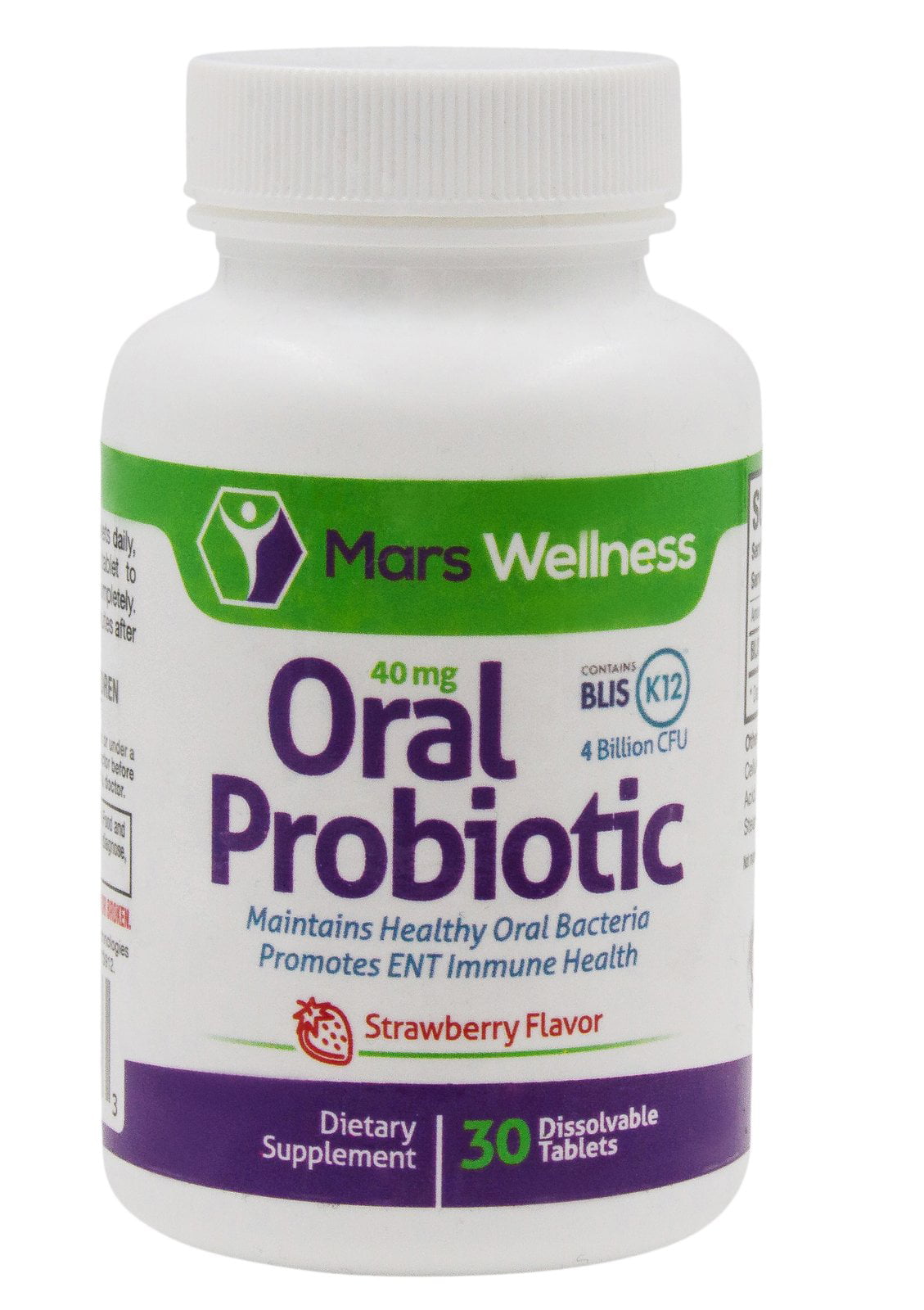
Harnessing the Power of Probiotics for a Healthier Mouth
Our mouths are bustling ecosystems, teeming with a diverse community of microorganisms â€" the oral microbiome. This intricate balance of bacteria, fungi, and viruses plays a crucial role in our overall oral health. When this delicate equilibrium is disrupted, problems like gingivitis, cavities, and even more serious conditions can arise. Fortunately, emerging research highlights the significant potential of probiotics â€" beneficial live microorganisms â€" in supporting and restoring this balance, leading to a healthier, happier mouth.
Understanding the Oral Microbiome and its Importance
The oral microbiome is far more complex than simply "good" and "bad" bacteria. Instead, it's a dynamic interplay of various microbial species, each with its own unique functions. Some bacteria produce beneficial substances that protect against harmful pathogens. Others contribute to the formation of plaque and contribute to the development of periodontal disease. Maintaining a healthy balance of these microbes is essential for preventing oral diseases. A diverse microbiome, populated by a wide range of beneficial bacteria, is generally considered a marker of good oral health. This diversity allows for a robust defense against harmful bacteria and a decreased risk of infections.
How Probiotics Contribute to Oral Health
Probiotics work in several ways to improve oral health. They don't simply kill off "bad" bacteria; instead, they actively support the growth of beneficial microbes and inhibit the colonization of harmful ones. This is achieved through a variety of mechanisms:
Competition for Resources and Space
Beneficial probiotic bacteria compete with pathogenic bacteria for nutrients and attachment sites on tooth surfaces and gums. By outcompeting harmful bacteria, probiotics effectively reduce their numbers and limit their ability to cause damage. This competitive exclusion is a key aspect of probiotic action in the mouth.
Production of Antimicrobial Substances
Many probiotic strains produce antimicrobial substances, such as bacteriocins, that directly inhibit the growth of harmful bacteria. These substances act as natural antibiotics, targeting specific harmful species without harming the beneficial bacteria in the microbiome. This targeted action helps maintain a healthy balance.
Strengthening the Immune Response
Probiotics can modulate the immune response in the mouth, helping to reduce inflammation and prevent the progression of gum disease. They achieve this by interacting with immune cells in the oral mucosa, stimulating the production of antibodies and other immune factors that combat infection. A balanced and strong immune response is crucial for oral health.
Incorporating Probiotics into Your Oral Health Routine
Several methods exist to introduce beneficial probiotics into your oral microbiome. You can find probiotics in various forms:
- Probiotic mouthwashes and toothpastes: These products contain specific strains of bacteria designed to promote oral health. Look for products that clearly state the strains and their benefits.
- Probiotic supplements: While primarily intended for gut health, some probiotic supplements can indirectly benefit oral health by improving the overall gut microbiome, which can have systemic effects.
- Yogurt and other fermented foods: Consuming fermented foods rich in probiotics like yogurt, kefir, and sauerkraut can contribute to a healthier oral microbiome, although the benefits are less direct than using targeted oral products.
It's important to note that not all probiotic strains are equally effective for oral health. Research continues to identify the most beneficial strains, and it's essential to choose products that contain strains with demonstrated efficacy in clinical studies. Always consult with a dentist or healthcare professional before making significant changes to your oral health routine, especially if you have pre-existing conditions.
By understanding the role of the oral microbiome and incorporating probiotics into your oral hygiene routine, you can take a proactive approach towards maintaining a healthy and beautiful smile. Remember that a healthy mouth is a cornerstone of overall well-being.
How to Use Tea Tree Oil to Calm Sensitive Gums

Soothing Sensitive Gums with Tea Tree Oil: A Comprehensive Guide
Dealing with sensitive gums can be a real pain â€" literally! Brushing becomes a chore, and even the thought of enjoying your favorite foods can trigger discomfort. Fortunately, nature offers a potential solution: tea tree oil. Known for its potent antimicrobial and anti-inflammatory properties, tea tree oil might provide much-needed relief for your irritated gums. However, it's crucial to understand how to use it safely and effectively to avoid potential irritation. This guide provides a detailed approach to incorporating tea tree oil into your oral hygiene routine, helping you achieve healthier, happier gums.
Understanding the Benefits of Tea Tree Oil for Gums
Tea tree oil, derived from the Australian tea tree (Melaleuca alternifolia), boasts a remarkable array of therapeutic properties. Its effectiveness against various bacteria, fungi, and viruses makes it a valuable tool in combating oral infections that can often cause gum sensitivity. The oil’s anti-inflammatory action helps reduce swelling and redness, addressing the root cause of much gum discomfort. However, it’s important to remember that tea tree oil is a potent essential oil and should never be ingested. Always dilute it properly before applying it to your gums.
Safe and Effective Application Methods
Direct application of undiluted tea tree oil to your gums is strongly discouraged. Its high concentration can cause irritation and burning. Instead, opt for a diluted solution. The following methods provide safe and effective ways to harness tea tree oil's benefits for sensitive gums:
The Dilution Method: A Safe and Effective Approach
The most common and recommended method involves diluting tea tree oil with a carrier oil, such as coconut oil or olive oil. A typical ratio is 1-2 drops of tea tree oil per tablespoon of carrier oil. This diluted solution can then be gently applied to the affected gum areas using a clean cotton swab or your fingertip. Avoid swallowing the mixture. Rinse your mouth thoroughly with water afterward. This process can be repeated once or twice daily, as needed, but observe your gums carefully for any adverse reactions. If irritation occurs, discontinue use immediately.
Incorporating Tea Tree Oil into Your Mouthwash
Another effective method involves adding a few drops of diluted tea tree oil to your regular mouthwash. However, begin with a very small amount (one drop per ounce of mouthwash) and monitor for any irritation. Gradually increase the concentration if tolerated. This approach provides a gentle yet thorough cleaning action, reaching areas that might be missed with a cotton swab. Remember to always follow the instructions on your mouthwash bottle regarding usage.
Important Precautions and Considerations
While tea tree oil can be beneficial, it’s crucial to exercise caution. Always perform a patch test before widespread application. Apply a small amount of the diluted solution to a small area of your gum and wait 24 hours to check for any allergic reactions, such as redness, swelling, or itching. If any adverse reactions occur, stop using the oil immediately. Pregnant or breastfeeding women should avoid using tea tree oil due to a lack of sufficient research on its safety during these periods.
Remember, tea tree oil is a complementary treatment and shouldn't replace professional dental care. If your gum sensitivity persists or worsens, or if you experience any bleeding, swelling, or severe pain, consult your dentist immediately. They can diagnose the underlying cause and recommend the most appropriate treatment plan.
By following these guidelines, you can safely and effectively utilize tea tree oil's therapeutic properties to soothe sensitive gums and promote better oral health. Always prioritize safety and listen to your body's signals. If in doubt, consult a dental professional for personalized advice.